Destination1 November 2026

Destination: Lombardy, Italy

nirmal-rajendharkumar-HGyfQrFz7OE-unsplash

Located in northern Italy, Lombardy combines historic cities, Alpine landscapes and some of the country’s best-known lakes with a rich and varied gastronomic heritage. From Milan and Bergamo to the shores of Lake Como and the vineyards of Franciacorta, the region offers many opportunities to discover its culture and cuisine.

Travelling through Lombardy reveals a region shaped by different landscapes and local traditions. Renaissance squares, lakeside villages, rice-growing plains and mountain valleys each offer a different perspective on life here. At the table, these differences are reflected in regional dishes, distinctive wines and the work of chefs who bring their own approach to Lombardy’s culinary traditions.

Cities, Lakes and Mountain Valleys

Milan is a natural starting point. Around the Duomo and Castello Sforzesco, the region’s history is visible in its architecture and museums, while Brera combines galleries, independent shops and cafés. The city’s restaurants provide an equally varied introduction, bringing traditional Milanese cooking and contemporary Italian cuisine into the same itinerary.

Beyond Milan, Lombardy’s smaller cities deserve time of their own. In Bergamo, the streets of Città Alta connect Piazza Vecchia, historic churches and the Venetian walls, with views towards the surrounding hills. Southwest of Milan, Vigevano’s arcaded Piazza Ducale and castle offer a different perspective on the region’s Renaissance heritage. Outside the town, the rice fields and farmsteads of the Lomellina reveal the agricultural setting behind one of Lombardy’s most important ingredients. 

The lakes provide another focus for a stay. Como, Bellagio and Varenna combine historic centres with waterfront walks and boat journeys, while villas and gardens offer reasons to explore the shores. Lake Iseo can be combined with the vineyards of Franciacorta and a visit to Monte Isola. On the Lombard side of Lake Garda, Sirmione’s castle, Salò’s waterfront and the lemon gardens of Limone sul Garda provide further stops.

Further north, Valtellina and Valchiavenna bring visitors into the Alps. Around Sondrio and towards Tirano, vineyards occupy steep terraces, making wine production a visible part of the landscape. Valchiavenna offers historic villages, chestnut woods and access to mountain walks, with a food culture that draws on local cheeses, freshwater fish and seasonal produce.
ouael-ben-salah-0xe2FGo7Vc0-unsplash
cedric-letsch-Racqz_gECu4-unsplash

The Flavours of Lombardy

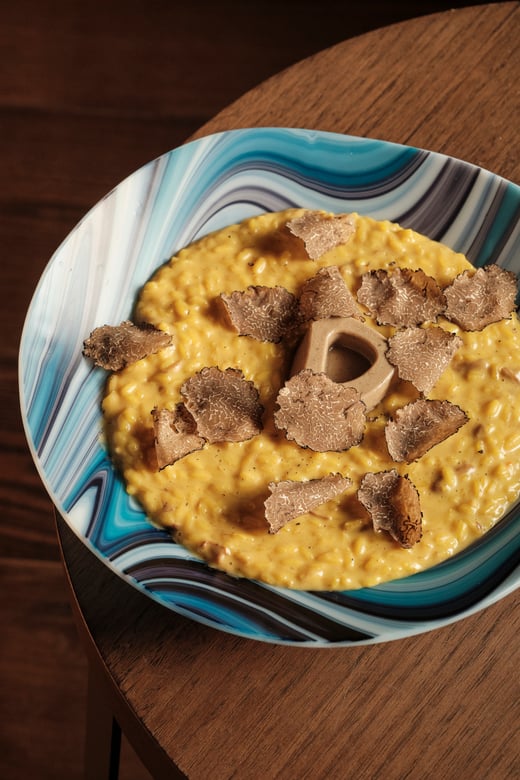
Rice is central to Lombardy’s cooking, particularly in the plains around Pavia and the Lomellina. In Milan, risotto alla milanese combines its creamy texture with saffron, while cotoletta alla milanese remains another local classic. Further east, filled pasta takes on different forms: Bergamo’s casoncelli are served with butter, sage and pancetta, while Mantua’s tortelli di zucca are known for their pumpkin filling. These dishes make a useful introduction to a cuisine in which familiar ingredients are closely associated with particular places. 

Around Lake Como, fishing traditions remain visible in dishes such as risotto with perch and missoltini, salted and dried fish often served with polenta. In Valtellina, mountain cooking includes pizzoccheri, combining buckwheat pasta, potatoes, cabbage, cheese and butter, alongside specialities such as bresaola. Cheese is an important part of the wider region’s food culture too, with names including Taleggio, Gorgonzola, Bitto and Valtellina Casera.

Wine adds another dimension to the journey. South of Lake Iseo, Franciacorta is known for sparkling wines made using the traditional method. Valtellina’s terraced vineyards produce Nebbiolo wines, including Valtellina Superiore and Sforzato. Regional sweets are equally varied: panettone is associated with Milan, torrone with Cremona and the crumbly sbrisolona with Mantua. Together, these products provide plenty of reasons to look beyond a single city when planning a gastronomic visit.

Experiences for Gastronomy Lovers

Some of Lombardy’s most rewarding visits combine a cultural stop with a closer look at local food production. Around Vigevano, walking and cycling routes through the Lomellina pass rice fields, farmsteads and villages. In Bergamo, exploring Città Alta before lunch provides a straightforward introduction to the city and its cooking, with casoncelli among the local dishes to try.

Lake Iseo and Franciacorta work well together for a stay focused on food and wine. A boat trip to Monte Isola can be combined with visits to wineries, where tastings introduce the different styles produced in the area. Between appointments, villages such as Erbusco and the abbeys of the surrounding countryside offer further places to explore.

In Valtellina, a visit to Teglio introduces the local tradition of pizzoccheri, while vineyard walks and cellar visits explain how wine is produced on the valley’s steep slopes. Around Lake Como, looking for regional fish dishes adds another element to a lakeside stay. These experiences give context to restaurant meals, helping visitors recognise the ingredients and traditions that chefs interpret in their own kitchens.

julia-solonina-Csja8O0sbOw-unsplash
edoardo-bortoli-7790McJxOrI-unsplash

Discover Lombardy Through Its JRE Restaurants

Lombardy’s JRE restaurants offer several starting points for exploring this regional diversity. The selection includes chefs and honorary members working in city restaurants, historic buildings and countryside settings, with approaches that reflect both their surroundings and their individual backgrounds.

In Milan, Daniel Canzian at DanielCanzian Ristorante, Enrico Bartolini at Mudec by Enrico Bartolini and Tommaso Arrigoni at Innocenti Evasioni form part of the city’s dining scene. Beyond the centre, Dario Guidi at Antica Osteria Magenes in Barate di Gaggiano, Lorenzo Di Bari at Ristorante Due Spade in Cernusco sul Naviglio and Fabio Mecchina at Soul Restaurant in Legnano offer further destinations around Milan.

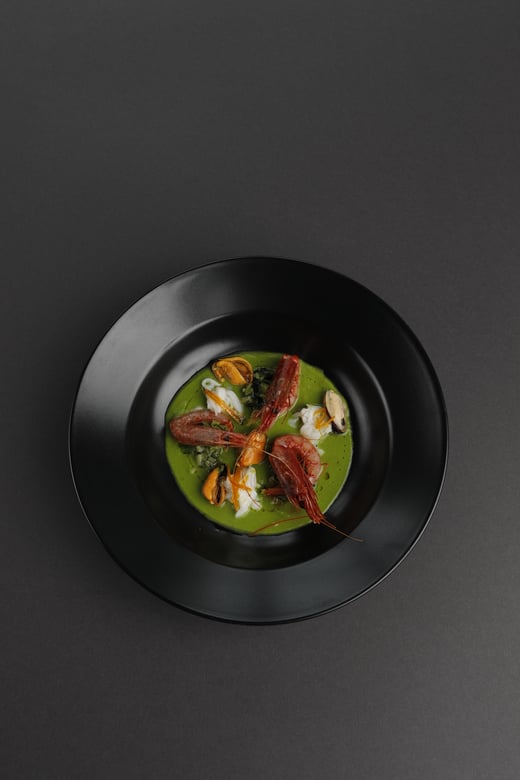
In Macherio, Cristian Benvenuto at La Filanda brings his Sicilian background to Brianza, cooking in a former silk mill. In Como, Federico Beretta at Feel draws directly on the lake and surrounding mountains, using freshwater fish, wild herbs and forest ingredients. Further north, Roberto Tonola at Lanterna Verde in Villa di Chiavenna works with local producers, seasonal ingredients and the restaurant’s own trout.

Around Bergamo, Paolo Frosio at Frosio Ristoranti in Almè and Giambattista “Titta” Manzini at RistoFante in Alzano Lombardo offer further opportunities to explore the area through its restaurants. The regional selection also includes Davide Botta at L’Artigliere Ristorante and Enrico Gerli at I Castagni in Vigevano.