
Our selection
Restaurants
 A land of boundless horizons and bold flavors, Argentina welcomes you into a world where sweeping plains, Andean heights, and vibrant city life shape every dish. From the wind-carved Patagonia to the fertile Pampas, Argentine cuisine reflects a rich blend of indigenous traditions and European heritage, especially Italian and Spanish influences. On the open plains, legendary asados honor the country’s deep reverence for beef, slow-grilled to perfection over wood and embers. Meanwhile, in the mountainous northwest, meals are heartily rooted in Andean staples, with corn, potatoes, and savory empanadas capturing centuries of history in every bite. Whether paired with a glass of robust Malbec or shared among friends, Argentina’s cuisine celebrates its landscapes and its spirit of togetherness.
 Over the years, Austrian farmers, winemakers and restaurateurs have skilfully perfected their culinary craft. Combining cooking traditions from the Austro-Hungarian Empire with innovative techniques, Austrian cuisine today showcases a beautiful blend of past and present.
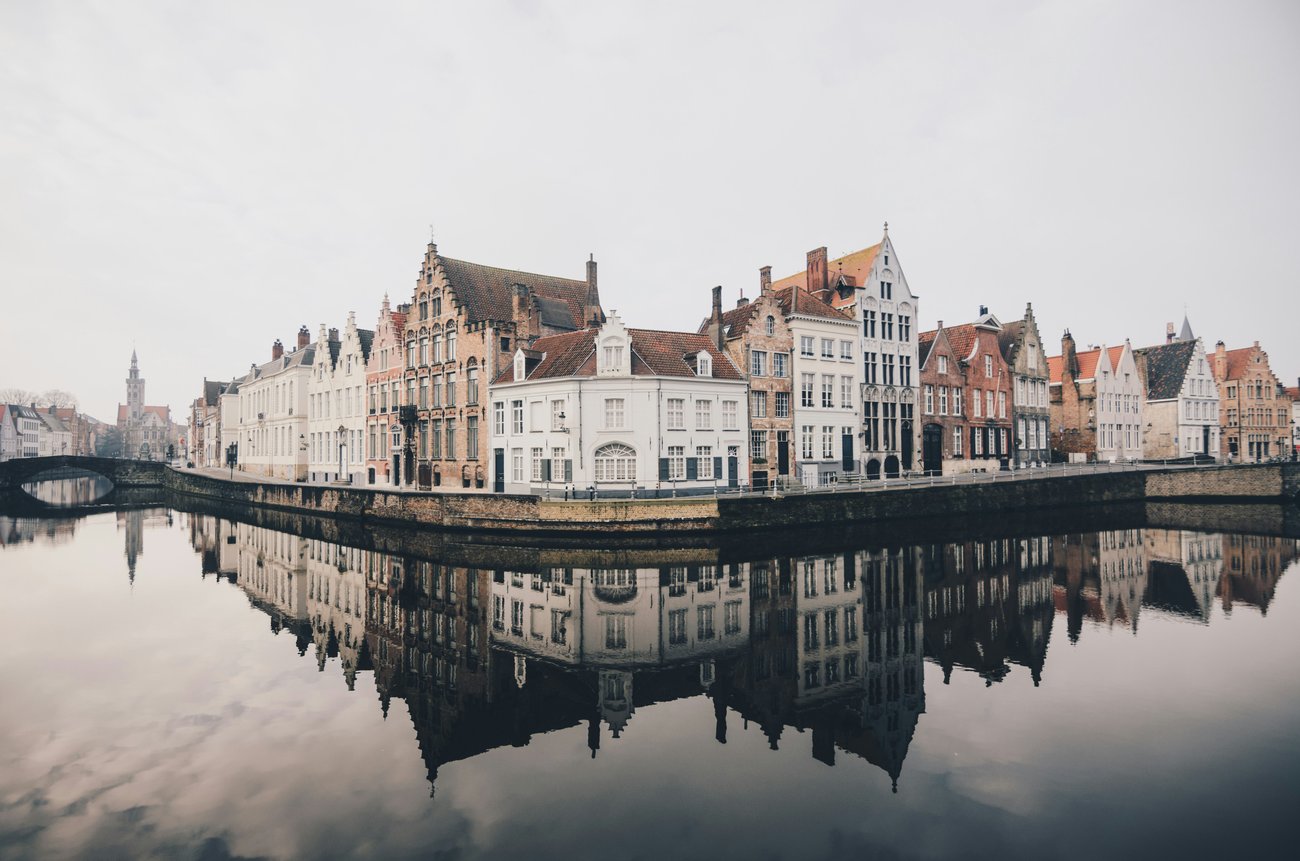 Traditionally celebrating seasonal ingredients, Belgian gourmet cuisine gloriously showcases the best that the country’s soil has to offer. With great French-like finesse, these top-notch restaurants in Belgium offer you the opportunity to embark on a voyage of culinary discovery. Get ready for some serious gastronomic pampering.
 Steeped in rich history and diverse cultural influences, Bulgarian cuisine presents a delightful tapestry of flavors that has evolved over the centuries. This culinary journey is a testament to the country's agricultural heritage, blending the skills of farmers, winemakers, and cooks who have honed their craft with passion and precision. One of the cornerstones of Bulgarian cuisine is its emphasis on fresh, locally-sourced ingredients. From the fertile plains to the picturesque mountains, the country's diverse landscapes provide a bountiful array of produce, including vibrant vegetables, succulent fruits, and aromatic herbs.
 A slender nation defined by oceans, deserts, glaciers, and volcanoes, Chile invites you to taste cuisine shaped by extremes. Cradled between the towering Andes and the cold currents of the Pacific, its food reflects nature’s diversity and the country’s deep cultural layers. Along the coast, the sea delivers an abundance of fresh shellfish and fish, grilled, stewed, or served lightly seasoned to let pure flavors shine. Travel inward, and the fertile central valleys offer rich harvests turned into hearty casseroles, golden breads, and fine wines that define Chile’s culinary soul. In the south, indigenous traditions echo in smoked meats, earthy spices, and dishes that warm the spirit against the Patagonian chill. Chilean cuisine is a journey through climates, cultures, and coastlines that never cease to surprise.
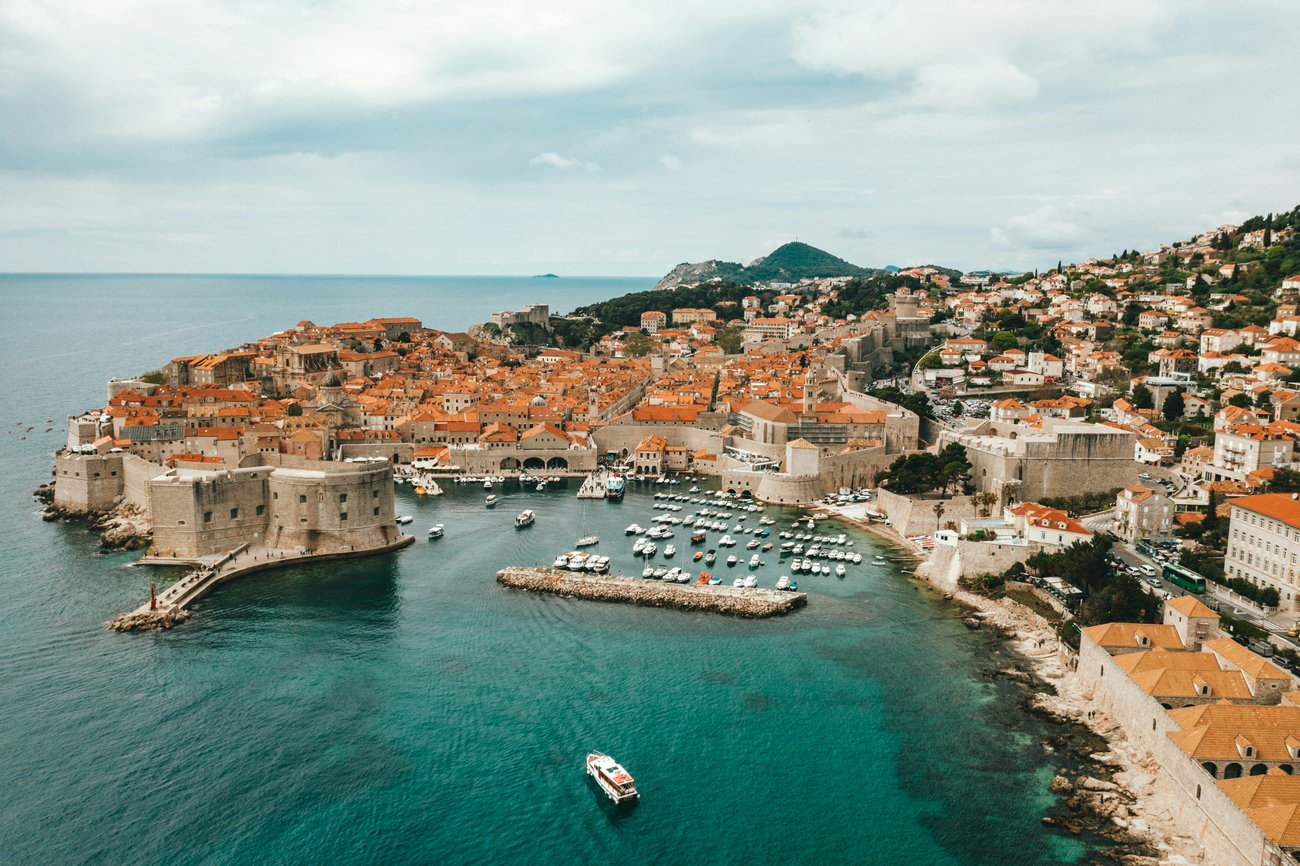 Croatia is an exciting place for gourmets and food connoisseurs. Every region in the country has its own distinct culinary identity. Its mainland cuisine is shaped by Hungarian, Viennese and Turkish influences, whereas the coastal region’s cuisine draws inspiration from Mediterranean kitchens – including Italian and French cooking. What specialties to expect? Tasty seafood and Istrian truffle-based dishes that’ll make your mouth water.
 France is not only home to some of the world’s most stunning scenery: it’s also famous for its exquisite and refined kitchen. From meticulously prepared haute cuisine to perfectly aged cheeses, rare red wines and spectacular champagnes: these award-winning French restaurants and top chefs offer harmonious and delicious dishes – with a sprinkle of je ne sais quoi.
 Welcome to the land of many culinary faces. Germany's cuisine is shaped by the food traditions of its various regions and influenced by the cuisines of neighbouring countries. For example, in southern areas such as Swabia and Bavaria, you’ll find overlaps with Austrian and Swiss cuisine. Whether you prefer regional alpine dishes or internationally inspired fusion cuisine, the land of Maultaschen and cheesecake offers a wide range of restaurants and culinary delights.
Hong Kong is one of Asia’s most dynamic culinary destinations, where centuries-old Cantonese traditions meet influences from around the world. From delicate dim sum and freshly prepared seafood to roasted meats and comforting noodle dishes, food is an essential part of everyday life. The city’s history as an international crossroads has also created a remarkably diverse dining culture, bringing local flavours together with global ingredients and techniques. Today, traditional tea houses, lively markets and innovative fine dining restaurants exist side by side, making Hong Kong an exciting destination for discovering both the heritage and the future of Asian gastronomy.
 Hungarian cuisine is known for its rich flavours, comforting dishes and strong connection to the traditions of Central Europe. Paprika is perhaps its most famous ingredient, bringing distinctive colour and depth to classics such as goulash, paprikash and fisherman’s soup. Beyond these well-known dishes, Hungary offers an abundance of freshwater fish, meats, seasonal vegetables, fruits and indulgent pastries. The country also has a long winemaking tradition, from the celebrated sweet wines of Tokaj to increasingly recognised dry whites and reds. Today, Hungarian chefs are giving this culinary heritage a contemporary interpretation while preserving the ingredients and flavours that make it unique.
 Along with Ireland’s social and political climate, the country’s cuisine has also changed, evolved and transformed. Traditional Irish kitchen is strongly shaped by its crops and farmed animals – as well as the potato, which was introduced in the second half of the 16th century and quickly became a popular ingredient because of its versatility. Ireland is the ideal place to try specialties that you simply can’t find anywhere else, such as Irish stew, bacon and cabbage, boxty, coddle, and colcannon.
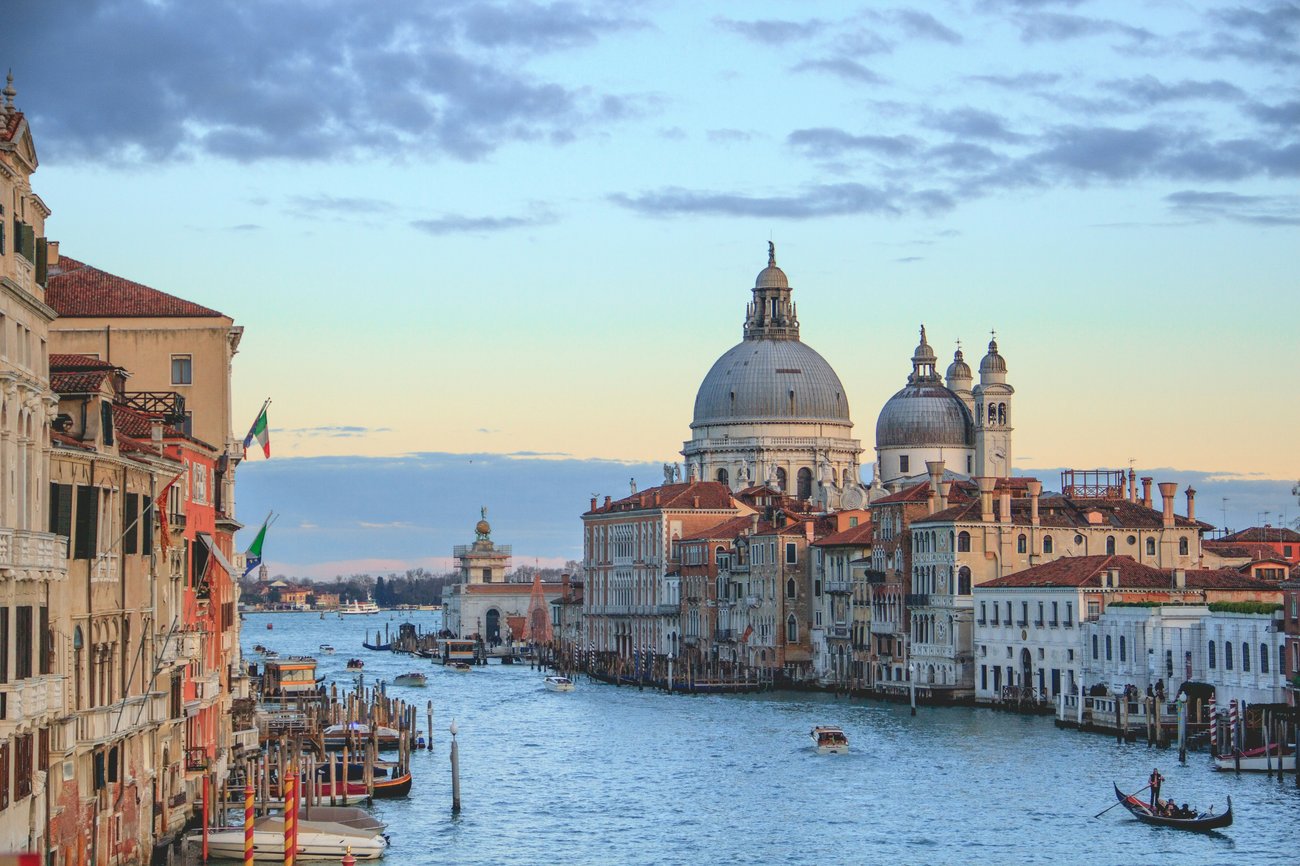 From rigatoni and risotto to finger-licking good tiramisu: Italy’s cuisine is simply unparalleled. Contrary to popular belief, the Italian kitchen is extremely diverse. Northern and Southern Italy each have their own distinct culinary character and offer different variations on the same dishes. However, one thing that both regions do have in common is their love of simplicity – as Italian chefs tend to use two to four main ingredients and focus on quality instead of complicated cooking. So no matter in which Italian region you find yourself: be sure to expect iconic meals and outstanding wines.
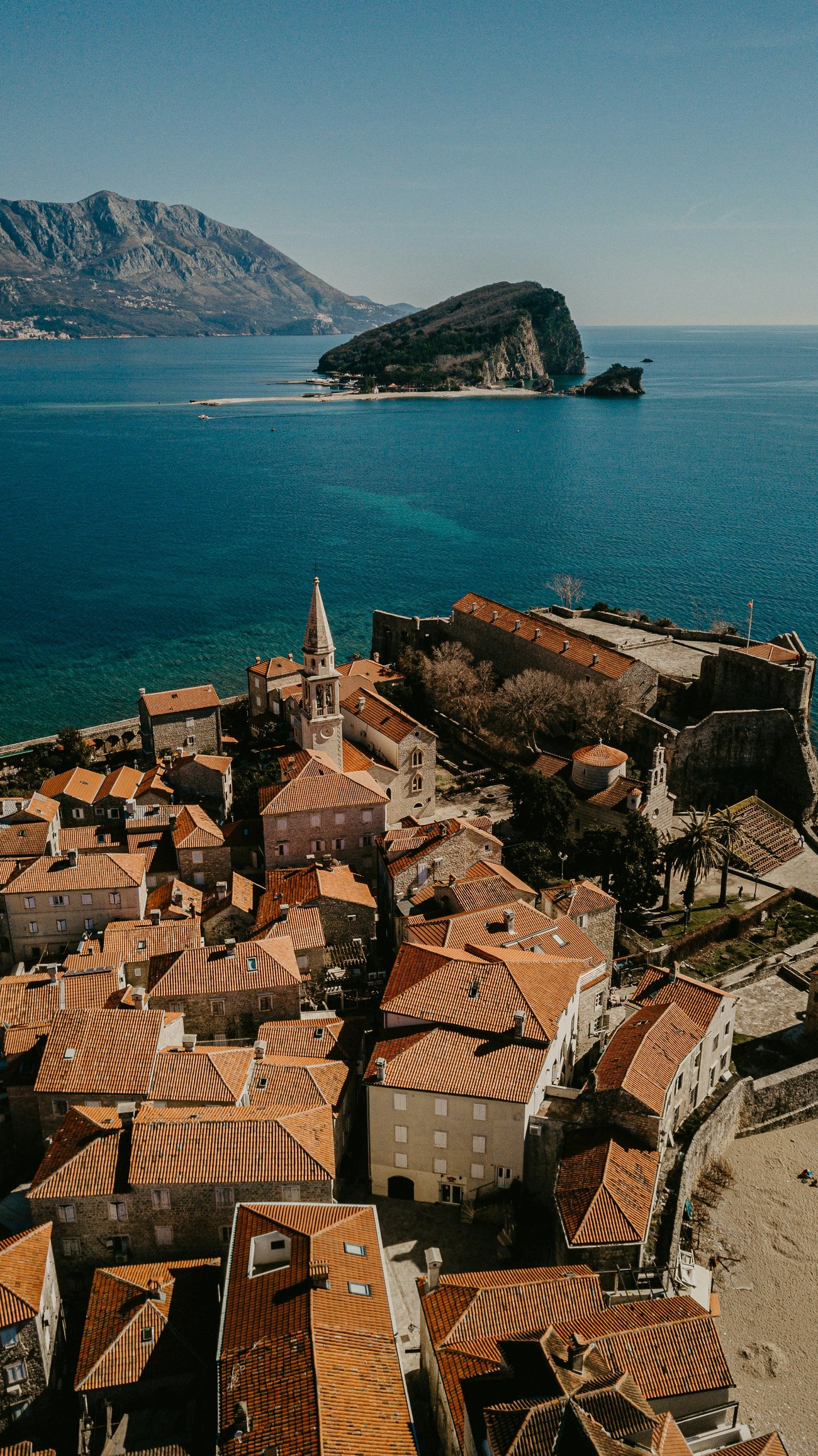 A land of dramatic contrasts and flavorful heritage - Montenegro invites you on a journey from the rugged highlands to the serene Adriatic coast, where every bite reflects history, culture, and nature. Nestled between the soaring peaks of the Dinaric Alps and crystal-clear Adriatic waters, Montenegro’s cuisine is a true expression of its geography and of centuries of influences. Up north, mountainous communities thrive on hearty, rustic dishes featuring rich meats, potatoes, and locally aged cheeses. In contrast, the coastal regions boast light, Mediterranean fare with fresh seafood, olive oil, and subtle Italian flair echoing trade and Venetian heritage.
 It’s no secret that the Netherlands is famous for its wide variety of heavenly cheeses. But what this small country is also renowned for, is its extensive fishing industry. The coastal fishermen on the North Sea still supply restaurants throughout the country with the finest high-quality fresh seafood. Raw Dutch herring is a culinary delight during the beginning of summer, and a must-try if you venture out here for the first time.
 A culinary treasure trove shaped by ancient civilizations and striking landscapes, Peru invites you to discover flavors that are as complex as its history. From the misty Andean peaks to the lush Amazon and the abundant Pacific coast, Peruvian cuisine is the result of thousands of years of innovation and cultural fusion, enriched by Spanish, African, Chinese, and Japanese influences. On the coast, zesty ceviche captures the ocean’s freshness, infused with bright citrus and native chili peppers. In the highlands, traditional staples such as quinoa, potatoes, and corn anchor hearty dishes born of Inca heritage. Meanwhile, the Amazon reveals exotic ingredients and spices with bold tropical flair. Every meal in Peru is a journey through the past and into the future, where tradition and ingenuity thrive side by side.
- Portugal’s cuisine is deeply connected to both the Atlantic Ocean and the land. Along its extensive coastline, fresh fish and seafood take centre stage, from grilled sardines and octopus to the countless preparations of bacalhau. Inland, regional traditions bring together quality meats, vegetables, cheeses and olive oil, while each part of the country adds its own distinctive flavours. Simple ingredients, seasonality and respect for tradition are at the heart of Portuguese cooking. Combined with celebrated wines and a new generation of creative chefs, Portugal offers a rich culinary landscape where authentic recipes and contemporary gastronomy come together.
 The cuisine of Romania has evolved a lot as a result of its contact with several different traditions. As a result, you may find a variety of dishes here, all retaining their own distinct flavour. In addition to Ottoman cuisine, other neighboring cooking styles such as German, Bulgarian, Serbian, and Hungarian, have also been a big influence. The famous Romanian “ciorba” encompasses a wide range of soups with a characteristic sour taste. All of these soups are traditionally soured by lemon juice, sauerkraut juice, vinegar, or “bors” (fermented wheat bran). They often contain meat and vegetables, tripe and calf foot, or fish, and make for a delicious meal.
 Serbian cuisine includes countless varieties of flavours and scents, which combine the best the Balkan region has to offer. You’ll find a unique blend of Middle Eastern and European influences, which result in a hearty cuisine with an intricate balance of rich meats, vegetables, breads, cheeses, and delicious pastries. Hence, a fusion of different cooking styles creates a rich and original Serbian table that offers unforgettable tastes. Expect your palate to be amazed by mild delicate flavours with fresh and natural ingredients at the restaurants we’ve listed for you here.
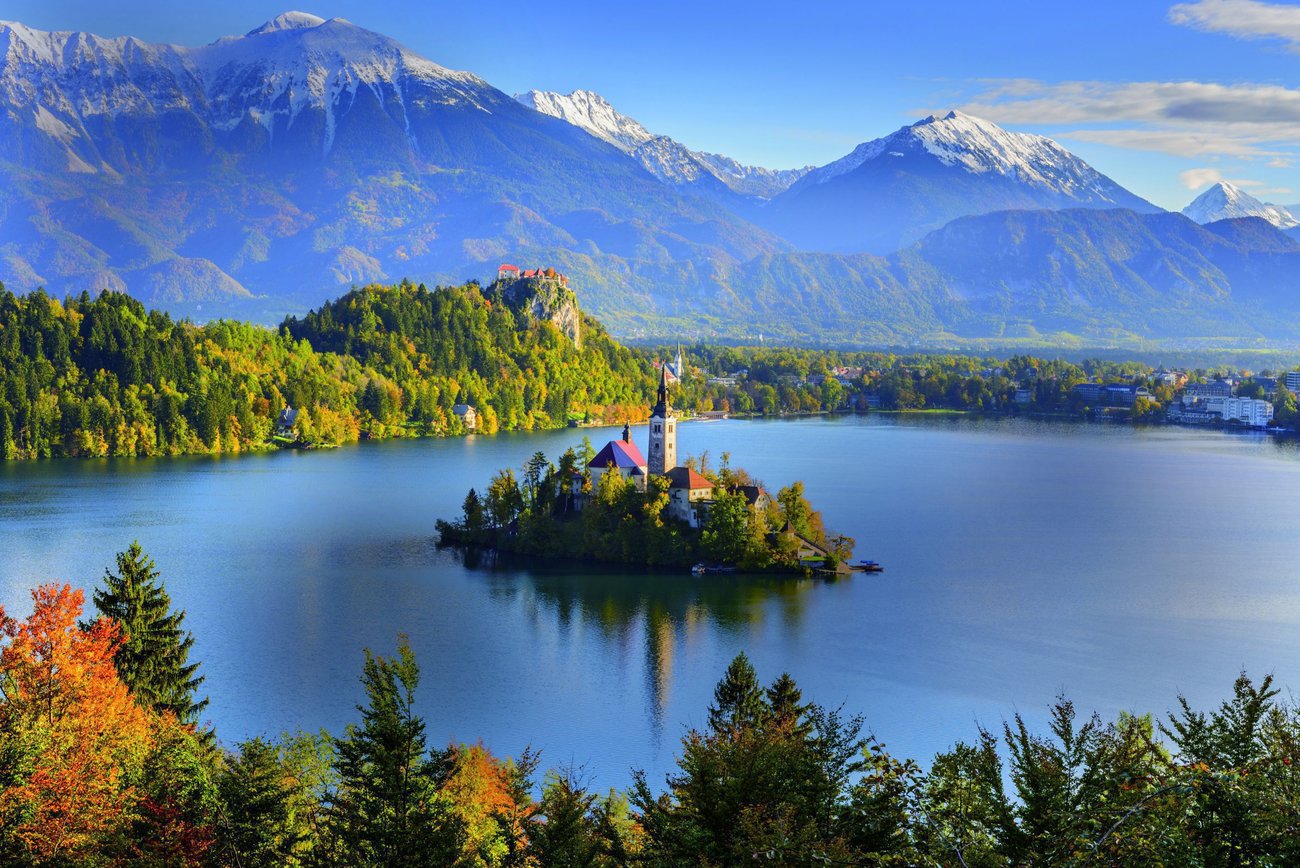 Both in its geography and in its cuisine, Slovenia is a place of striking contrasts. In the region along the Italian border, you can enjoy a delicious light Mediterranean diet consisting of prosciutto ham and olive oil. However, it’s more common for people in the far north and east to feast on heavier foods, with a lot of grains, potatoes, pork, and pumpkin oil. But no matter where in the beautiful Slovenian landscape you are, you’re always sure to find excellent wine nearby, to complete your excellent gastronomic experience.
 When you think of Spain, in addition to splendid sunshine along with warm hospitality, you also think of fiestas and siestas – and most noteworthy, the delicious Mediterranean food. From tapas to churros, the excellent Spanish cuisine has incredibly high quality and endless diversity to choose from, and is arguably the finest in the world. Spain is blessed with a clear sense of culture and gastronomy, making this country an absolute pleasure to visit.
 It’s no wonder Switzerland is such a popular tourist destination and continues to draw many visitors to its beautiful surroundings each year. Its breathtaking lakes, the picturesque Jura mountains, and the variety of the Alps are distinctively unique to the Swiss countryside. In addition to this, the food here should excite you as well. Traditional and contemporary Swiss cuisine is of the highest quality, with lots of fresh regional ingredients and excellent wines. In short: Switzerland is the perfect place to enjoy a culinary winter holiday.
 English cooking, although distinct in its own right, shares many characteristics with international cuisines. During the time of the British Empire, and subsequent to post-war immigration, many ingredients and recipes were imported from North America, China, and India. Additionally, French cuisine affected English recipes during the Victorian era. Traditional meals include roasted meats, stews, meat pies, boiled vegetables and broths, fish, bread, and cheese, and often have ancient or medieval roots. Until this day, the United Kingdom has continued to absorb culinary traditions from across the globe, selecting the finest dishes to offer wholesome food you will undoubtedly love.

