Destination: Bay of Kotor, Montenegro
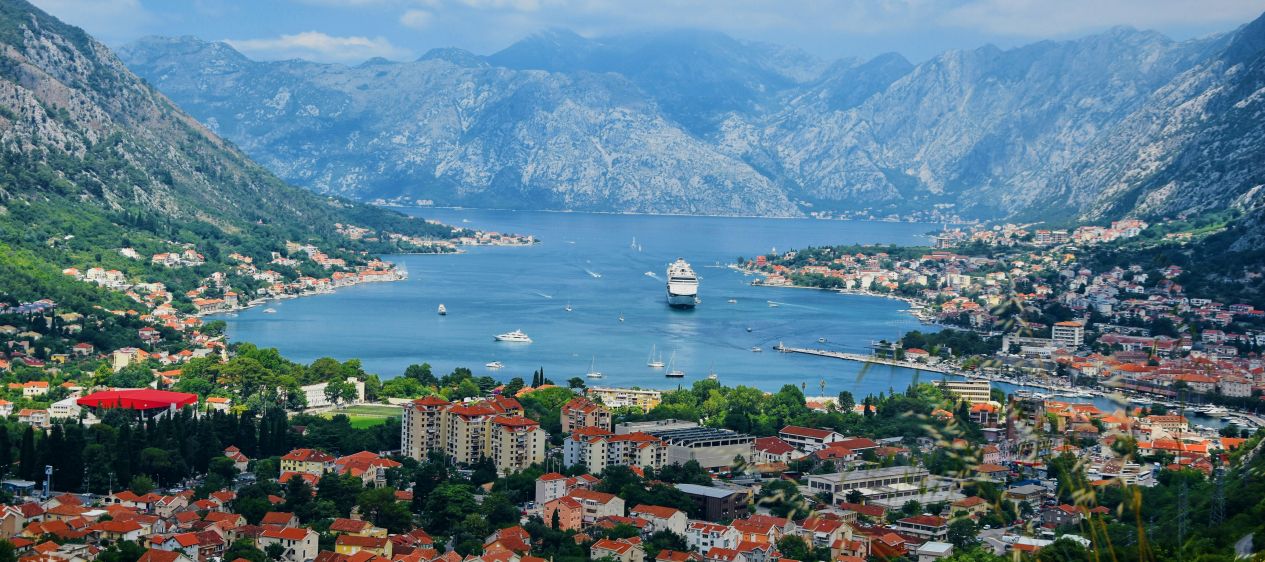
Along Montenegro’s Adriatic coast, the Bay of Kotor curves inland between steep limestone mountains, quiet stone villages and a coastline shaped by centuries of maritime life. The atmosphere here feels both Mediterranean and distinctly local, where church bells echo across the water, fishing boats drift between small harbours and daily life still moves at the rhythm of the bay.
Rather than one single destination, the Bay of Kotor unfolds through a series of historic towns and coastal landscapes connected by narrow roads, waterfront promenades and the Adriatic itself. Travellers move slowly between medieval streets, island churches, mountain viewpoints and long lunches beside the sea, discovering a region where nature, history and gastronomy remain closely intertwined.
Between Adriatic Towns and Mountain Landscapes
At the heart of the bay lies Kotor, known for its UNESCO-listed old town enclosed by medieval walls that rise into the mountains above. Narrow stone streets, small squares and centuries-old churches reveal the maritime and architectural heritage that continues to shape the atmosphere of the town today.
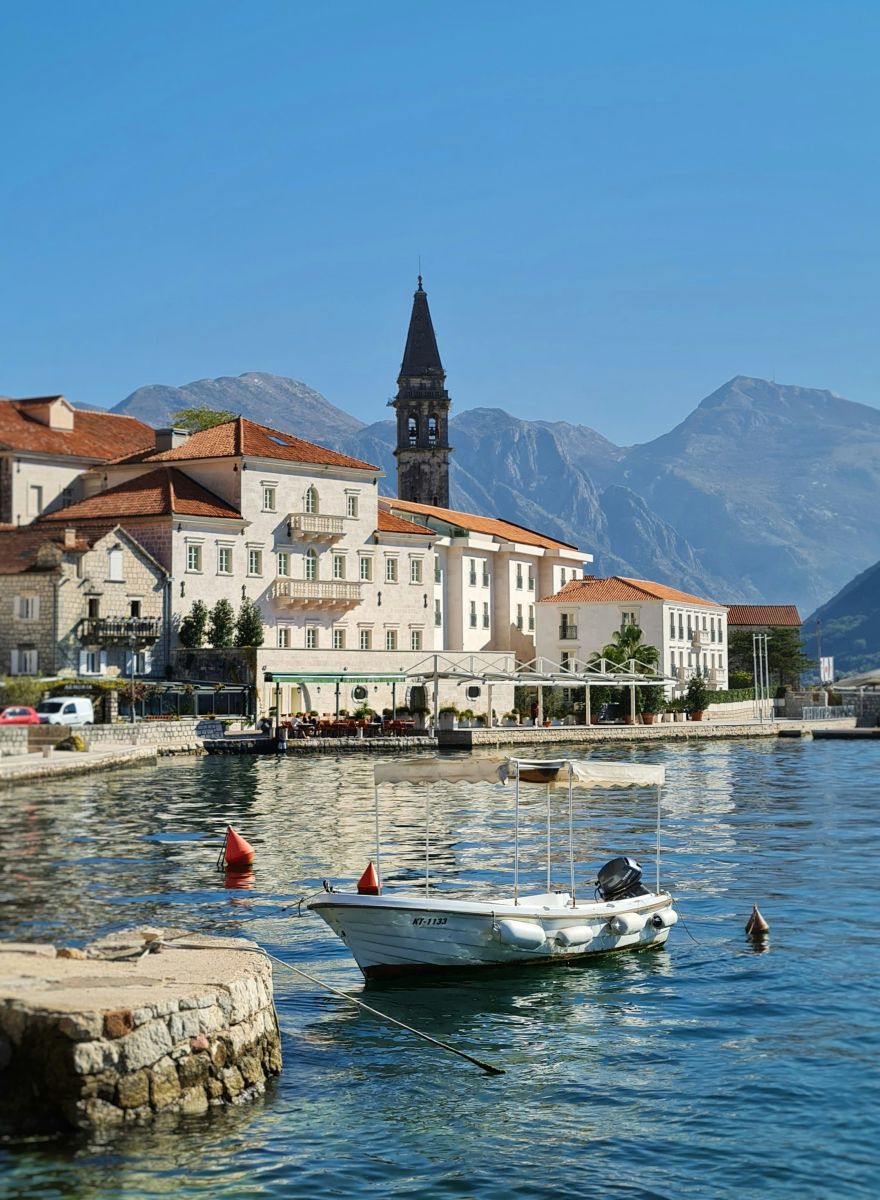
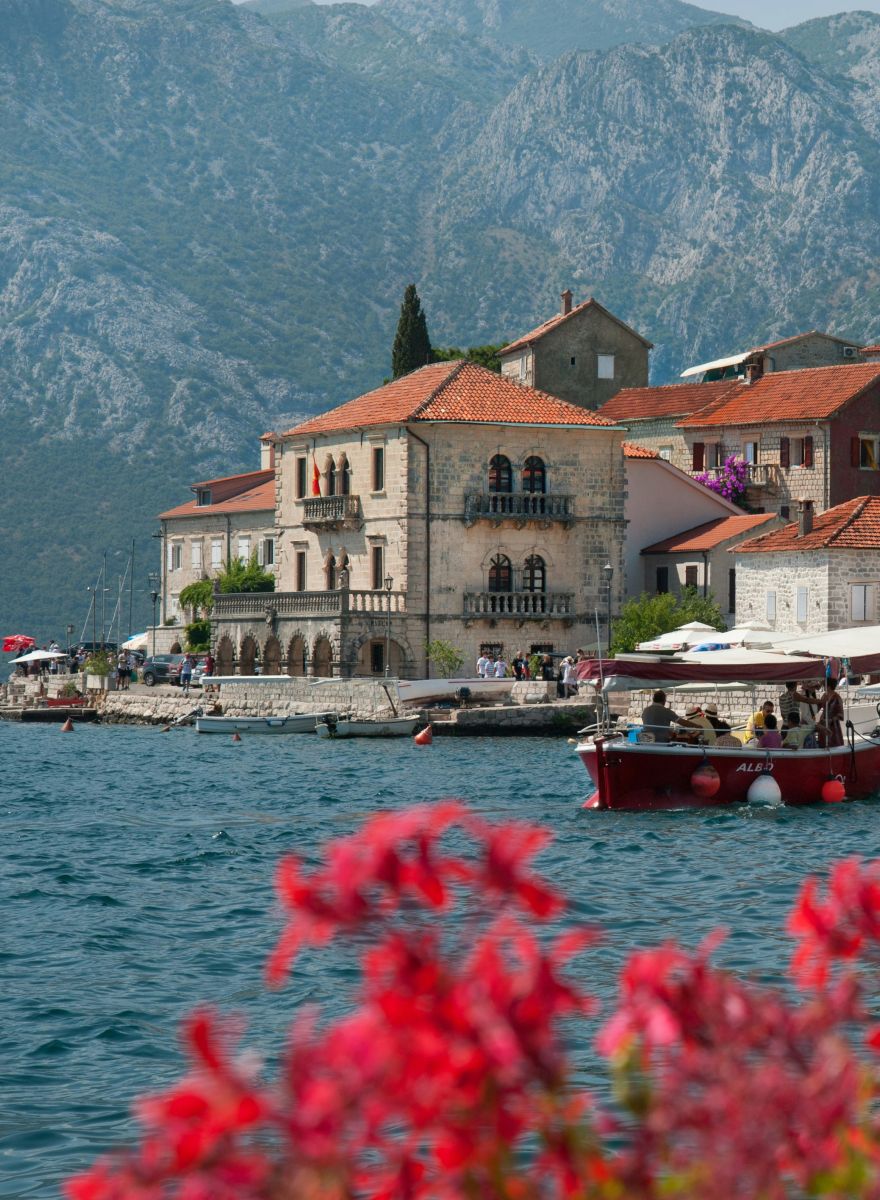
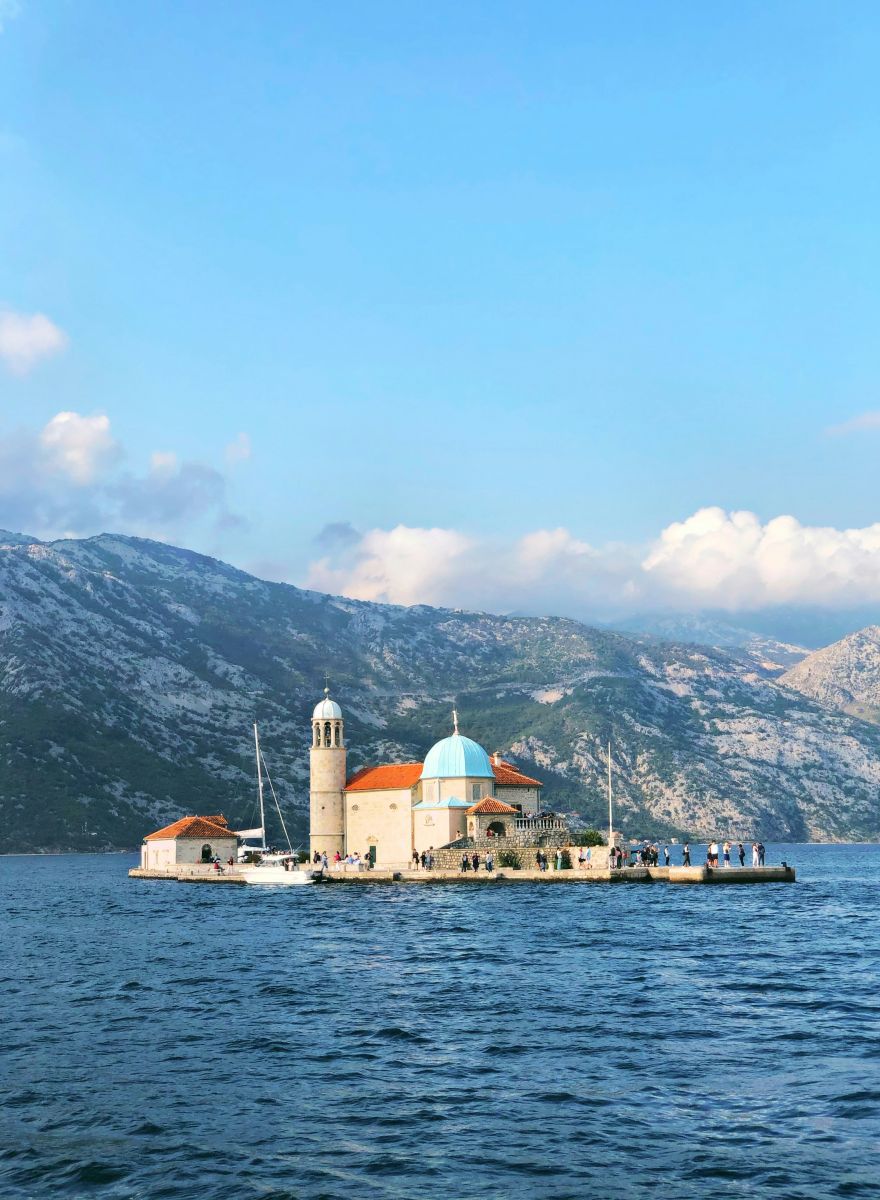
Further along the coastline, Perast offers a quieter rhythm. Baroque palaces line the waterfront while small boats cross the bay toward Our Lady of the Rocks, the island church that has become one of the defining images of Montenegro’s Adriatic coast. The town’s connection to the sea remains visible everywhere, from stone houses facing the water to evenings that unfold slowly along the promenade.
Around the Bay of Kotor, towns such as Herceg Novi and Tivat reveal different sides of the Adriatic coast. Herceg Novi is known for its hillside gardens and relaxed seaside atmosphere, while Tivat combines contemporary marina life with access to the wider coastline and surrounding mountains.
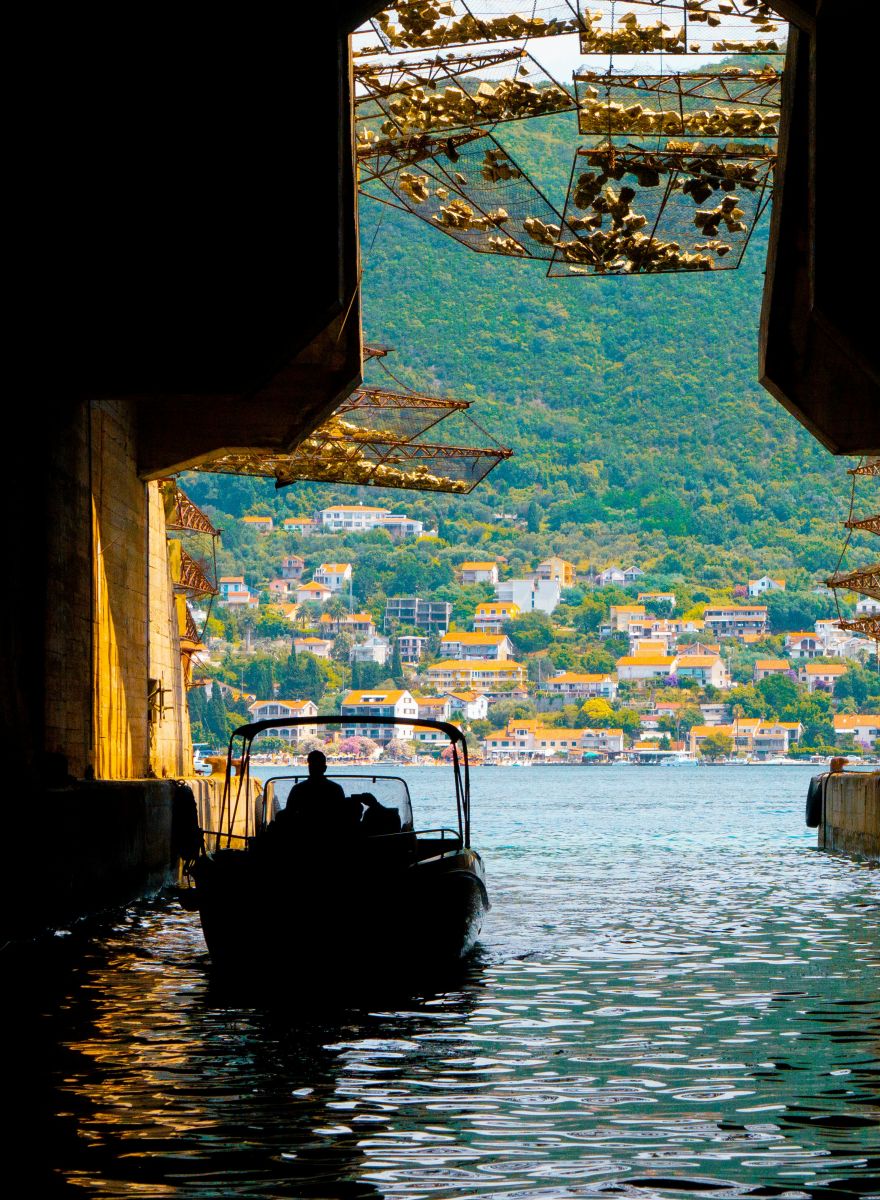
The landscape itself remains one of the defining experiences of the region. The winding Kotor Serpentine Road climbs high above the bay, opening onto panoramic views across the Adriatic coastline and the mountains surrounding it. Along the water, swimming platforms, stone pontoons and small fishing villages continue to preserve the atmosphere of an older Mediterranean coast, where boats drift quietly across the bay as evening light settles over the waterfront.
The Flavours of the Bay of Kotor
In the Bay of Kotor, gastronomy reflects the meeting of Adriatic, Mediterranean and Balkan influences shaped by centuries of coastal life.
Seafood remains central to the local table. Mussels, oysters, octopus and freshly caught fish appear throughout the bay, often prepared simply with olive oil, herbs, garlic and local wine. Around Perast and the inner coastline, oyster and mussel farms continue long-standing Adriatic traditions, supplying shellfish directly to nearby restaurants and waterfront terraces.
The surrounding landscape also shapes the local cuisine. Olive oil, mountain herbs, cheeses, cured meats and rustic breads from Montenegro’s inland regions continue to appear alongside coastal dishes such as black risotto, grilled Adriatic fish and seafood buzara. The result is a gastronomy rooted equally in the sea and the mountains surrounding the bay.
Across the region, meals unfold slowly beside the water. Family-run konobas, seafood terraces and small waterfront restaurants remain closely connected to local fishing culture and the seasonality of the Adriatic coast. Local wines and rakija accompany lunches that stretch into the afternoon as fishing boats return quietly toward the harbour.
Experiences Along the Adriatic Coast
Exploring the Bay of Kotor means discovering the Adriatic through both landscape and gastronomy.
Boat trips between Kotor, Perast and the smaller coastal villages reveal the geography that defines the region, where medieval towns, island churches and quiet swimming spots unfold along the water’s edge. Beyond the inner bay, the Adriatic opens toward hidden coves, the Blue Cave and a more rugged stretch of coastline shaped by sea and stone.
Along the coastline, small harbours, swimming platforms and waterfront terraces continue to shape daily life around the bay. Visitors move easily between seaside towns, quiet coves and boat excursions across the Adriatic, experiencing the slower pace that defines the region.
The mountains surrounding the bay offer another perspective on the coastline. Scenic roads and hiking trails above Kotor reveal panoramic views across the Adriatic, while small inland villages preserve a quieter rhythm of life beyond the shore.
Many of the region’s defining experiences are found in everyday moments: morning markets beside the harbour, seafood lunches overlooking the bay or evenings spent on waterfront terraces after the boats have returned to shore. Throughout the Bay of Kotor, seafood culture, maritime traditions and daily life remain deeply tied to the Adriatic coast.
JRE Chef in the Bay of Kotor
The culinary identity of the Bay of Kotor is also reflected in the work of JRE chef Nikola Čelić, whose restaurant in Perast brings together Adriatic seafood, Montenegrin tradition and a strong connection to the surrounding coastline.
Trattoria Rosmarino – Perast
In the historic town of Perast, Trattoria Rosmarino has become known for refined seafood cuisine, thoughtful hospitality and panoramic views across the bay. Family-run and closely connected to its surroundings, the restaurant offers a quieter and more intimate perspective on one of Montenegro’s most distinctive coastal destinations.
At Rosmarino, Nikola Čelić combines Mediterranean warmth with the precision of Nordic culinary technique developed during his time in Sweden. Fresh seafood, seasonal vegetables and Adriatic ingredients shape contemporary tasting menus rooted in the traditions of the bay, creating an experience where gastronomy, landscape and maritime heritage remain closely intertwined.