Family Business or a Business Family?

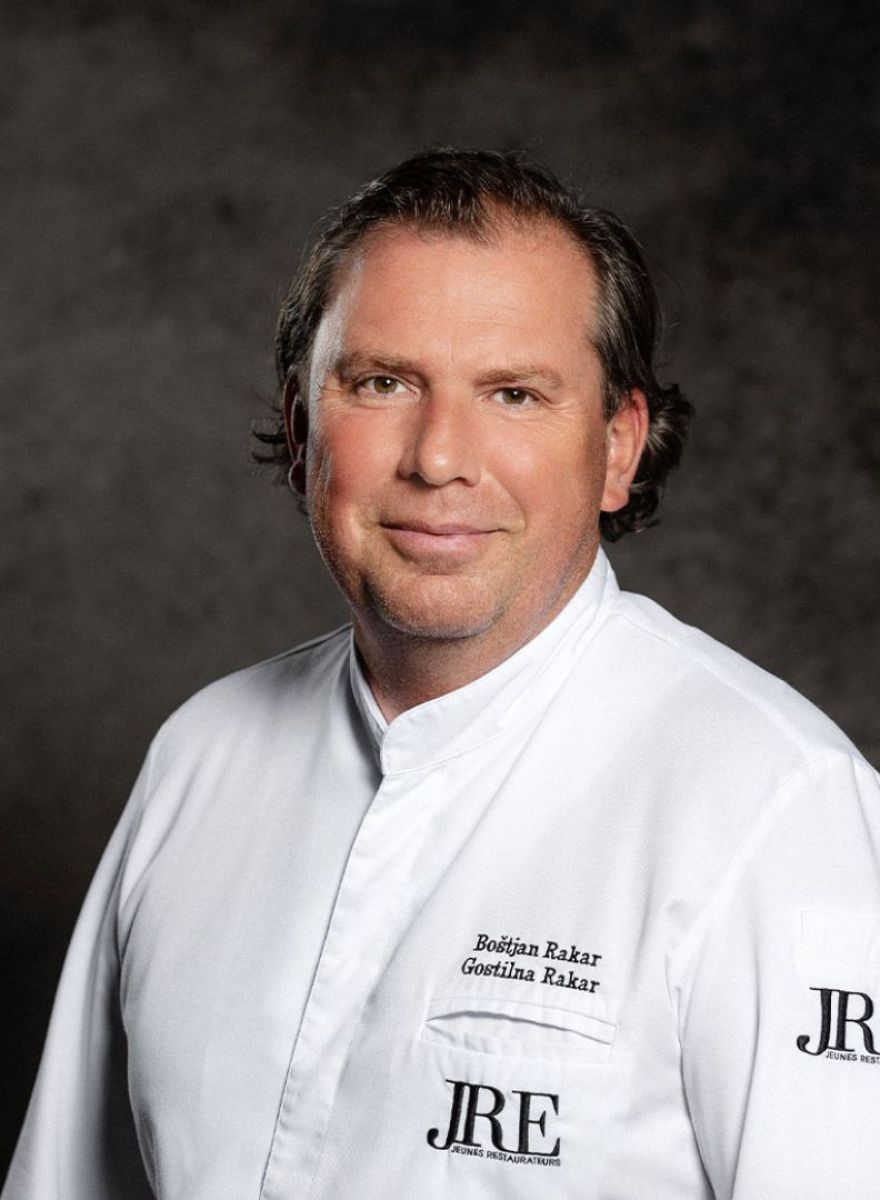
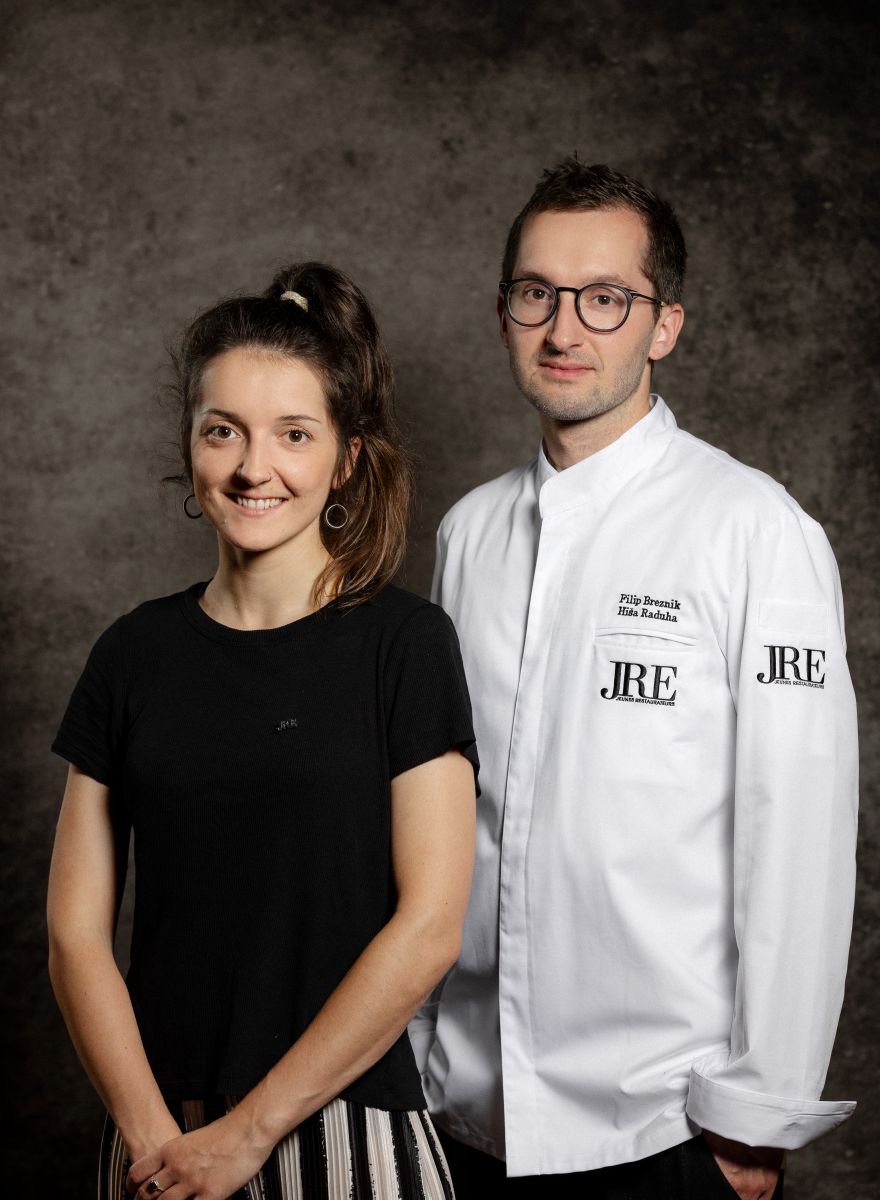
Family-run restaurants are the heart of Slovenian cuisine – shaped by years, flavors, and faces passed down from generation to generation. But tradition is not just a romantic tale. It also brings challenges, pressures, and responsibility for what the older generation has built. How do the younger ones fit into existing systems, how much freedom can they take – and is it really easier to work with family in a family business? Sharing their experiences: Boštjan Rakar from Gostilna Rakar and Kristina and Filip Breznik from Hiša Raduha.
Sharing their experiences fro JRE-Slovenia members: Boštjan Rakar from Gostilna Rakar and Kristina and Filip Breznik from Hiša Raduha.
Who from your family is involved in running the house today, and would you say that makes the work easier or harder?
Kristina&Filip Breznik, Hiša Raduha: At Hiša Raduha, all family members are involved – each with their own skills and energy. This allows us to complement one another and share different responsibilities while bringing diverse perspectives. Balancing different personalities can be demanding, but this very diversity leads to better solutions and greater creativity. It’s easier because we’re not alone, but harder because there are more of us.
Boštjan Rakar, Gostilna Rakar: Alongside me, my wife plays an important role – both in key decisions and in day-to-day coordination. Having family involved means tasks and responsibilities can be shared more easily, but it also means that work often comes home with you. Sometimes that makes things harder, but also more fulfilling because it’s shared. The biggest challenge, I’d say, is drawing the line between work and personal life. In the end, every restaurant needs one leader.
A restaurant obliges us to respect tradition, but never to become rigid. Tradition is the foundation on which we build our own story – not a repetition of the past, but its continuation.
Gostilna Rakar
What does the tradition of your restaurant mean to you, and how do you see the responsibility for what your predecessors built?
Boštjan Rakar, Gostilna Rakar: Our restaurant obliges us to respect tradition, but never to be trapped by it. Tradition is the foundation on which we build our own story – not a repetition of the past, but its continuation. At first, I saw it as a burden, but today it’s a source of pride. We carry forward the values our parents set – professionalism, persistence, and the pursuit of perfection.
Kristina&Filip Breznik, Hiša Raduha: Tradition for us means deep respect for our ancestors – for their courage and efforts in laying the foundations we build on today. Of course, that also brings a sense of burden. We see heritage as both a challenge and an inspiration. Tradition is not about repeating the past but about seeking the future while honoring its values.
Tradition is not about repeating the past, but about seeking the future while honoring its values.
Hiša Raduha
How do you preserve the identity of the house while introducing new energy, ideas, and visions?
Kristina&Filip Breznik, Hiša Raduha: By finding balance between the two. The older generation brings proven methods and wisdom, while the younger adds energy, courage, and modern approaches. We combine all this to preserve the soul of the house while evolving with the times. For us, tradition is not a limitation but a direction that connects us to new ideas and visions.
Boštjan Rakar, Gostilna Rakar: Connection with the past is not an end in itself – nor does it hinder growth. Hospitality must evolve, because people, tastes, and expectations change. It’s up to us to feel where to go next, and for whom. That’s the beauty of our work – finding balance between heritage and a slightly different vision of life.