Destination Belgrade, Serbia
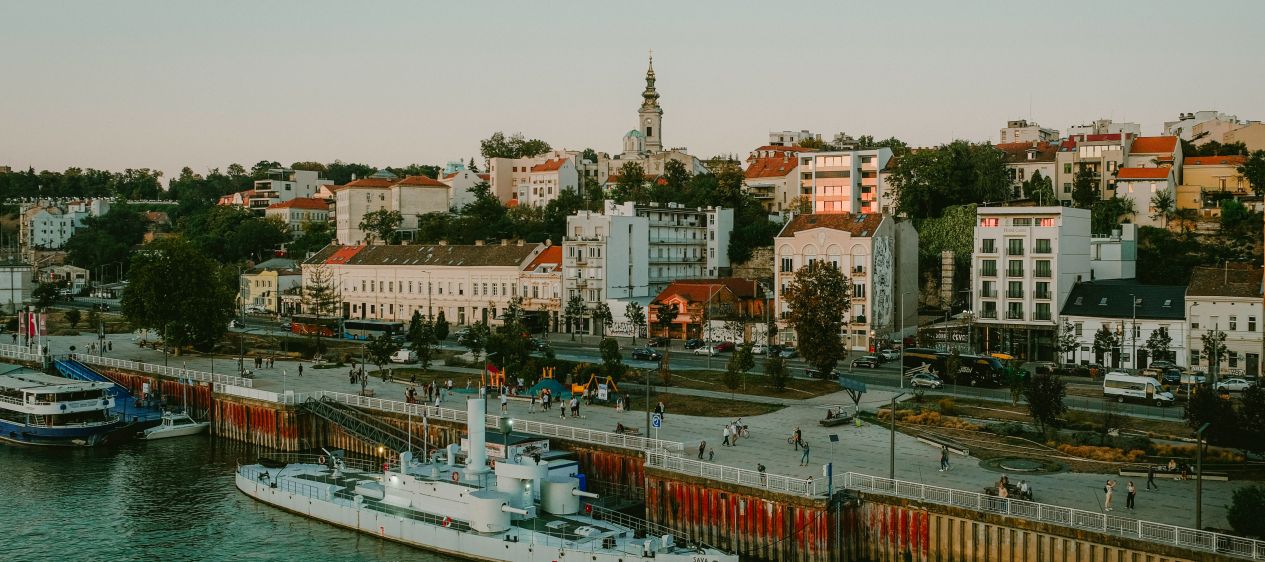
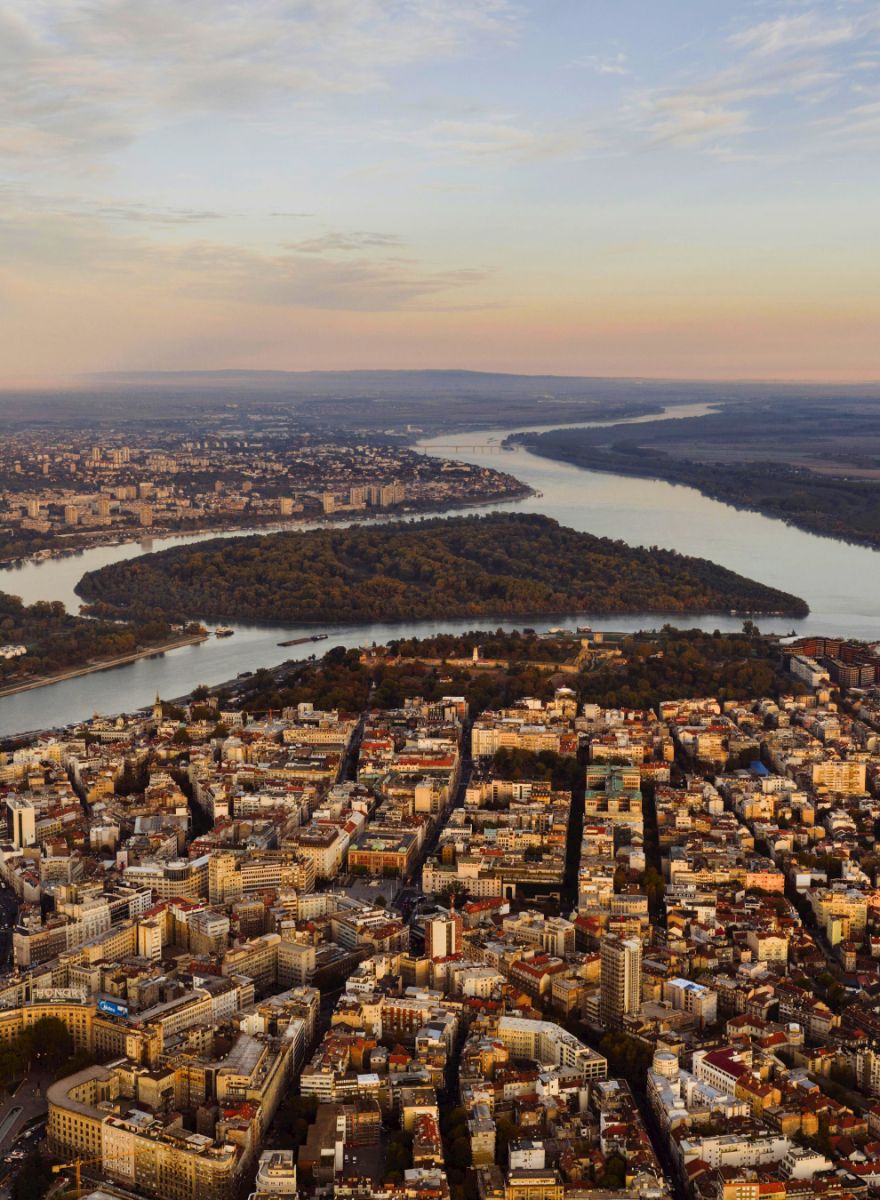
Belgrade rises at the point where two great rivers meet, a city shaped by centuries of crossings and borders. Here, the flatlands of the north give way to rolling central hills, and layers of Roman, Byzantine, Ottoman and Austro-Hungarian history still surface in unexpected corners. The result is a city that feels lived-in, textured and confidently eclectic.
The region stretches from the narrow streets of Stari Grad and Dorćol to the riverfront’s floating bars, the wide boulevards of New Belgrade and the old riverside town of Zemun. Beyond the edges lie the soft hills of Avala and Kosmaj, and the farmland that supplies the city with vegetables, dairy and freshwater fish. Together, these elements create a setting with a strong identity and a sense of place that unfolds gradually.
Signature features
Several elements define the Belgrade region’s character. The rivers shape the city both physically and visually, and the view from the fortress over the confluence frames Belgrade in a way visitors remember long after they leave. River cruises on the Danube and Sava reveal islands, bridges and stretches of waterfront architecture that shift in atmosphere from day to dusk.
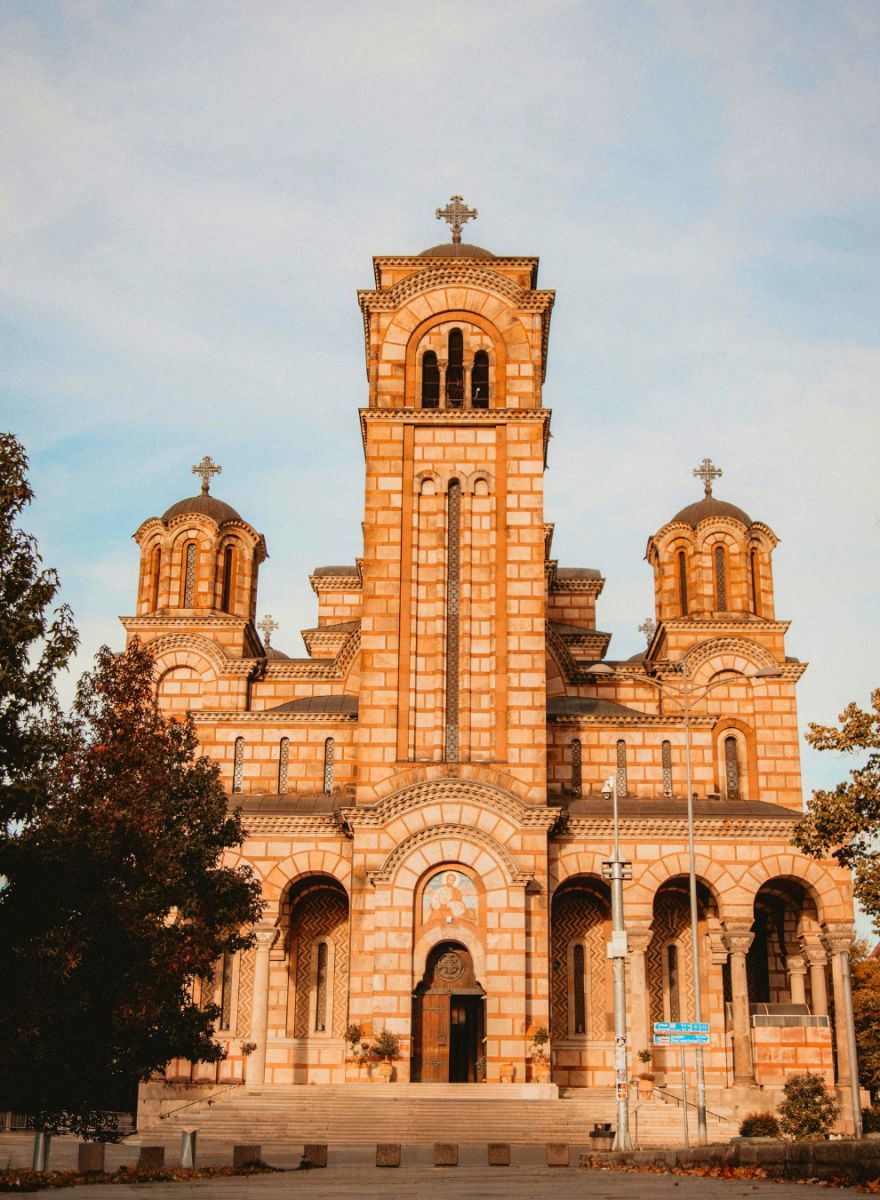
Culturally, Belgrade stands out for the contrasts that appear from street to street. Older architectural styles sit beside socialist era blocks and modern buildings, forming a cityscape drawn from many eras. This mix influences neighborhood identity as well as the city’s café and nightlife culture, from traditional kafanas to floating river clubs and contemporary cocktail bars.
Food is naturally part of this character. Markets such as Kalenić and Zeleni Venac show the everyday side of local gastronomy, while an expanding fine dining scene highlights how chefs reinterpret familiar ingredients. For visitors, moving between these different expressions of Belgrade in a single day feels effortless.
Sights in the region
Kalemegdan Fortress stands above the river junction, offering insight into Belgrade’s geography and past. Its ramparts, small churches and viewpoints lead toward Kalemegdan Park, which flows into the old town and Knez Mihailova Street, lined with 19th century buildings, cafés and cultural institutions. Republic Square remains a natural meeting point.
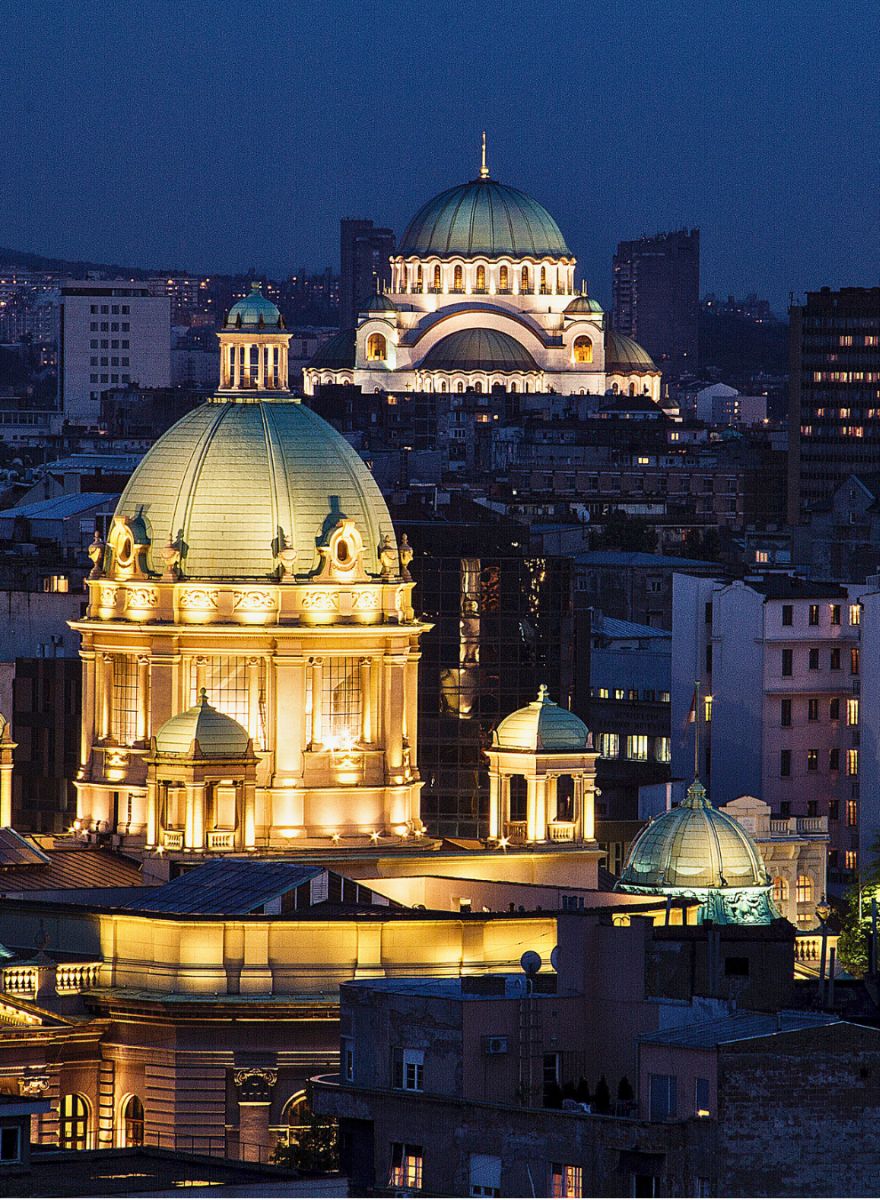
Skadarlija maintains a bohemian character with lanterns, cobblestones and restaurants offering late night music. The Church of Saint Sava rises above the Vračar plateau as one of the world’s largest Orthodox churches. Across the river, Zemun’s Gardoš Tower looks out over the old riverside streets and the expanding city beyond.
Beyond the urban core, Belgrade opens easily onto natural escapes. Ada Ciganlija, a lake and forested peninsula a short tram ride from the center, offers long beaches, sports facilities and casual bars and grills. Further south, Avala Mountain provides forest walks and wide views from the Avala Tower that stretch across the city and surrounding countryside.
Cultural landmarks add depth to these impressions. The Museum of Yugoslavia and House of Flowers illuminate the region’s 20th century history, while the National Museum and the Nikola Tesla Museum expand its artistic and scientific narratives. The National Theatre completes the picture with a performing arts scene active throughout the year.
Local foods and specialties
Belgrade’s cuisine reflects the city’s warmth and its seasons. Pots of sarma and long simmered stews anchor family tables, while grills send plumes of wood smoke into courtyards and sidewalks. Pljeskavica and ćevapi arrive with warm bread, onions and kajmak, simple and essential. A slice of burek eaten on the street with a cup of yogurt is morning comfort.
The markets carry these traditions forward. At Kalenić and Zeleni Venac, vegetables glow in the early light, cheeses and kajmak are sold in tubs, and bunches of herbs hang overhead. In late summer, the sound and scent of peppers roasting for winter preserves become part of the city’s soundtrack. These habits link everyday life with the wider culinary landscape of the region.
Wine and spirits
Belgrade is a natural base for exploring Serbian wine regions such as Šumadija, which produce bottles from both international and native varieties like Prokupac and Tamjanika. In the city’s restaurants and wine bars, these bottles often meet glasses of rakija, the fruit brandy that remains a favored toast. The atmosphere in these bars reflects Belgrade itself: unpretentious, social and rooted in tradition.
Tourist attractions for food lovers
A culinary day in Belgrade often begins at the market, tasting cheeses, honey, berries or cured meats while watching the morning rituals unfold. From here, the old town is an easy walk. Lunch might take place in Skadarlija with classic dishes and traditional music, or in Zemun, where the Danube provides the backdrop for a long fish lunch.
Afternoons lend themselves to riverfront walks or a swim at Ada Ciganlija, followed by something simple from a lakeside grill. Back in the center, wine and rakija bars introduce the wider world of Serbia’s vineyards and distilleries. For the evening, the city’s JRE restaurants offer a focused look at how local ingredients are being reimagined by a new generation of chefs.
Throughout the year, festivals add further layers to this experience, from beer and music events on the riverbank in summer to wine weeks and street food gatherings in parks and fortress courtyards.
JRE chefs in the Belgrade region
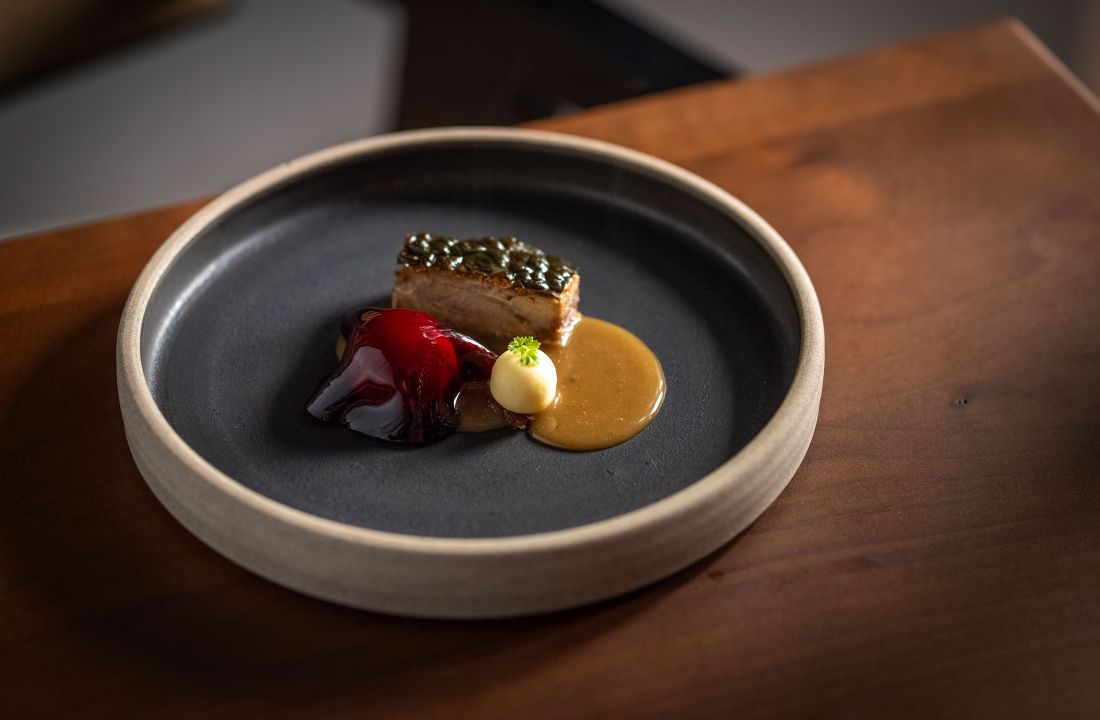
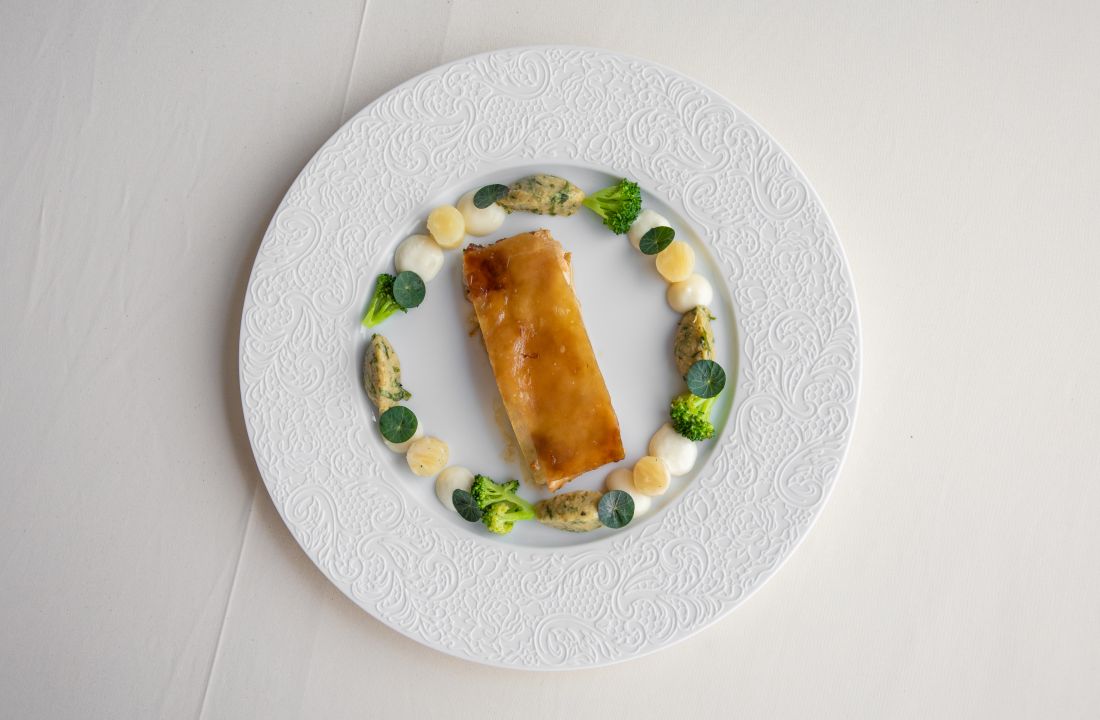
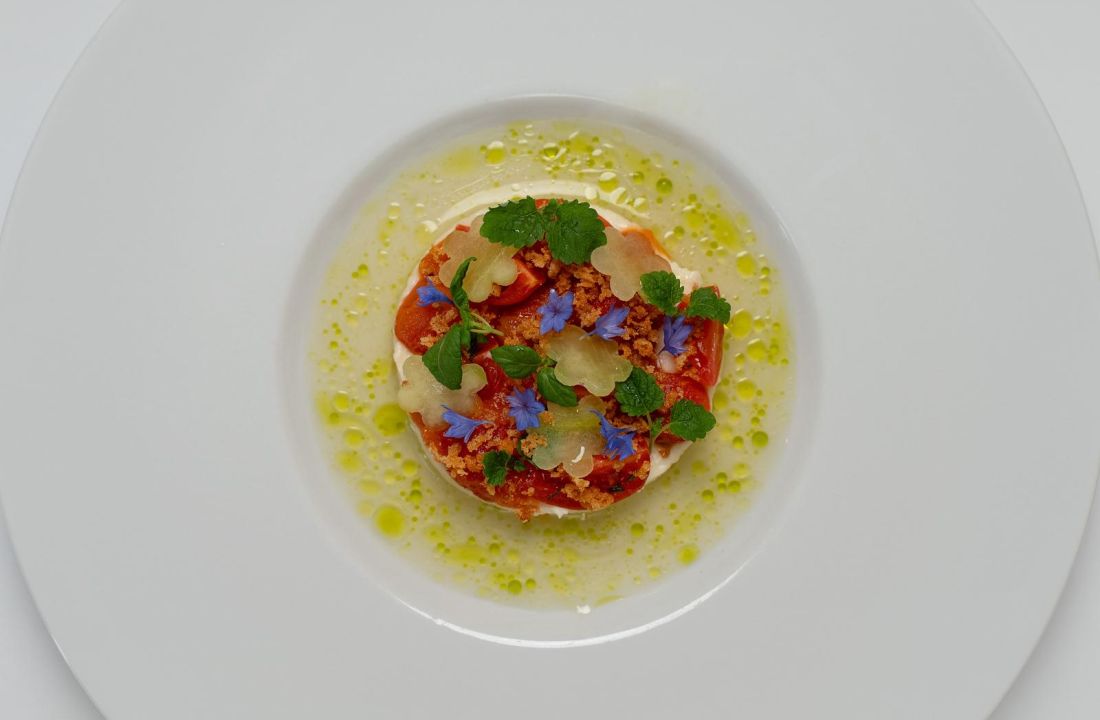
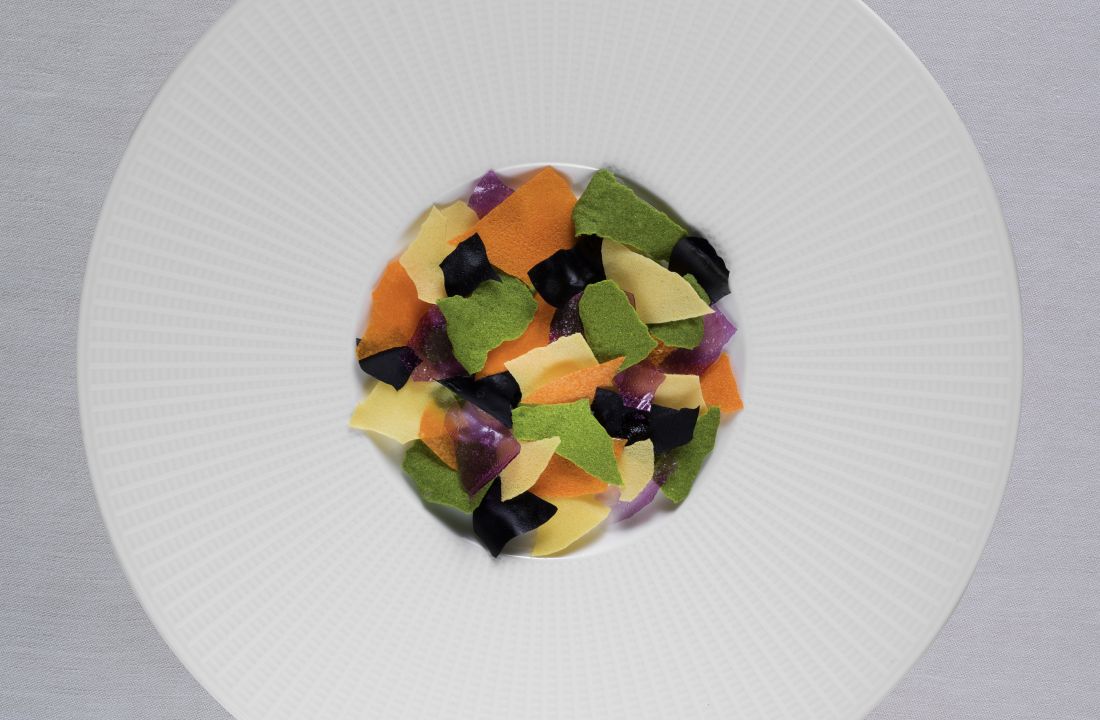
Belgrade’s JRE restaurants form a compact circuit of contemporary cooking, each offering a distinct interpretation of the region’s ingredients.
Langouste looks out toward the rivers below Kalemegdan, where chef Marko Đerić presents precise, contemporary menus with a focus on local fish and seasonal produce.
The Square, inside the Square Nine Hotel, is chef David Simunic’s stage for refined dishes that pair Serbian ingredients with French and Mediterranean influences.
Salon 1905, housed in the grand architecture of the Geozavod building, is where chef Ivan Tasić reimagines Serbian and Balkan classics with a light and modern touch.
S5 by Angie captures the intimacy of both Emilia Romagna and Serbia. Chef Anđela Risimić shapes Italian-leaning menus around market produce and small producers.
Delirium Silence, hidden in an early 20th century salon near the National Theatre, is chef Vladimir Kučera’s laboratory for molecular and progressive tasting menus.
Together, these restaurants illustrate the city’s culinary momentum, showing how familiar ingredients are being transformed into some of the most expressive dishes in Southeast Europe.