Destination: Castilla-La Mancha, Spain
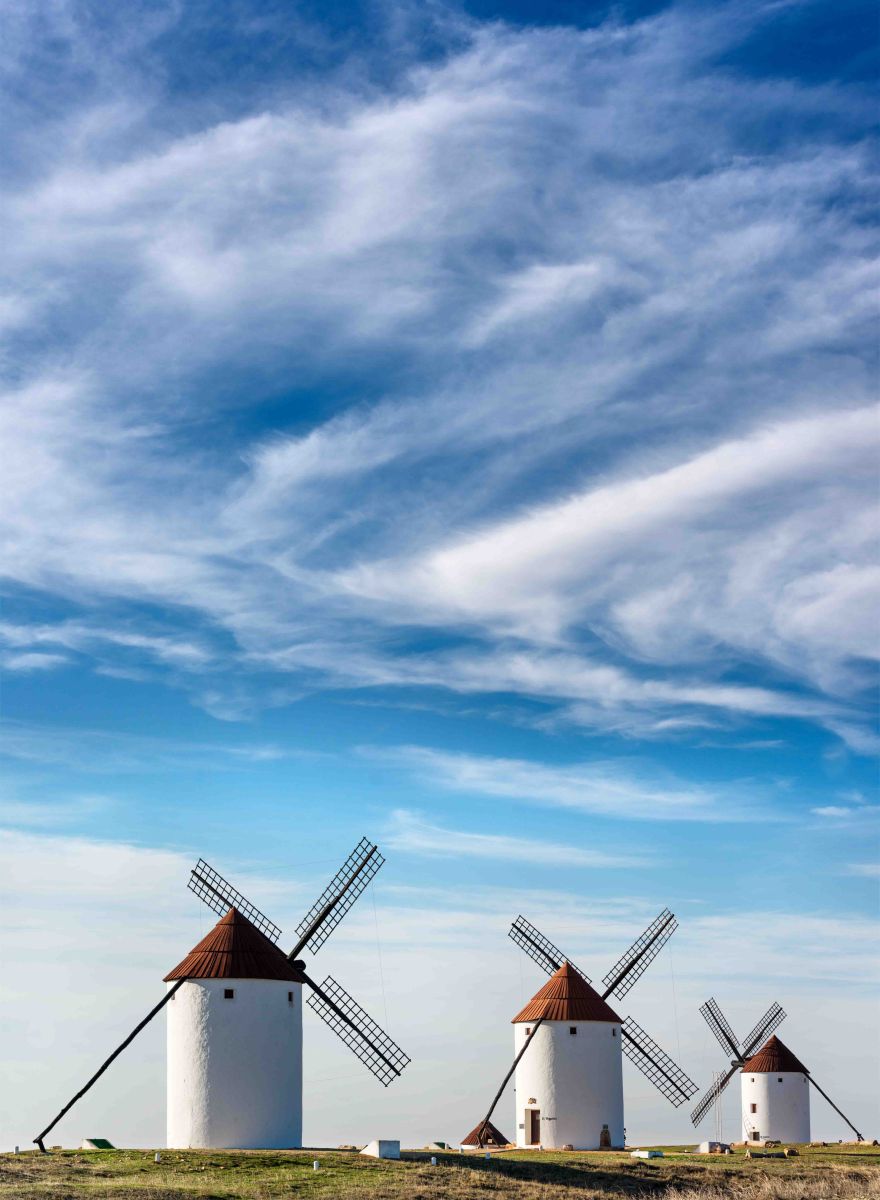
Castilla-La Mancha lies at the very heart of the Iberian Peninsula, where vast plains stretch toward the horizon and windmills rise above the landscape that inspired Cervantes’ Don Quixote. Vineyards, olive groves and historic estates shape a region where tradition and rural life remain closely tied to the land.
Travelling through Castilla-La Mancha means discovering a Spain where nature, culture and gastronomy unfold together. Visitors come not only for its historic cities and natural parks, but also for a cuisine that reflects centuries of agricultural, pastoral and hunting traditions. In recent years, the region has attracted growing attention from travellers seeking authentic destinations where heritage and culinary identity remain deeply connected.
Through Historic Cities and Open Landscapes
A journey through Castilla-La Mancha moves between historic cities, rural villages and the wide landscapes of the interior.
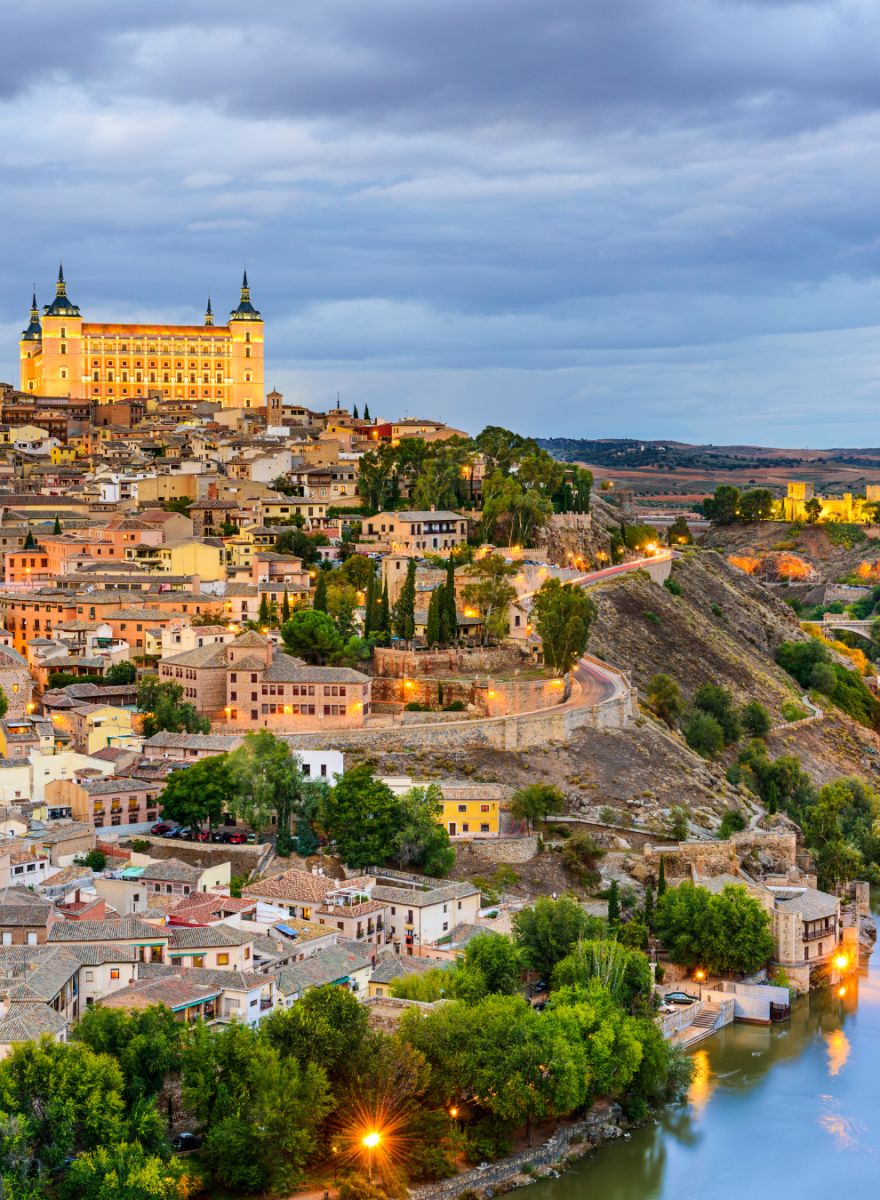
In Toledo, a UNESCO World Heritage Site, centuries of Christian, Jewish and Muslim heritage coexist within medieval walls. Narrow streets wind past historic synagogues, monasteries and the imposing Gothic cathedral, revealing a city that has shaped Spanish history for more than two thousand years.
Further east, the dramatic city of Cuenca appears above deep river gorges, its famous hanging houses suspended between rock and sky. The city is also known for its role in Spain’s contemporary art scene, home to one of the country’s most important collections of abstract art.
Across the region, historic towns give way to vineyards and agricultural landscapes. In Ciudad Real, the plains of La Mancha open wide beneath the sky, forming the heart of one of the largest vineyard regions in the world and a territory deeply connected to wine and agriculture.
In Guadalajara and Albacete, visitors encounter Renaissance architecture, charming villages and lively local culture that continue to shape the identity of the region.
Throughout Castilla-La Mancha, the landscape itself tells the story of the territory: wide plains, traditional estates and rural communities where life still follows the rhythm of the countryside.
The Flavours of Castilla-La Mancha
In Castilla-La Mancha, gastronomy is inseparable from the landscape. The plains, vineyards and countryside traditions have shaped a cuisine built on authenticity, seasonality and deep respect for the land. Generations of culinary knowledge have transformed simple ingredients into a gastronomy that reflects the identity of the region.
A CUISINE BORN FROM THE LANDSCAPE
The gastronomy of Castilla-La Mancha reflects its agricultural, pastoral and hunting traditions. Often described as cocina de raíz, it is a cuisine deeply rooted in the land and shaped by centuries of rural life.
For generations, farmers, shepherds and hunters developed recipes that transformed humble ingredients into nourishing dishes. This culinary heritage remains alive today, forming the foundation of a regional cuisine based on seasonality, local produce and respect for the environment.
Game, lamb, vegetables from the fields and aromatic herbs gathered from the countryside all play an important role in the regional table. The strong hunting culture of the region has also made Castilla-La Mancha one of Spain’s most important areas for game-based gastronomy.
THE PANTRY OF SPAIN
Castilla-La Mancha is often referred to as the pantry of Spain thanks to the diversity and quality of its products.
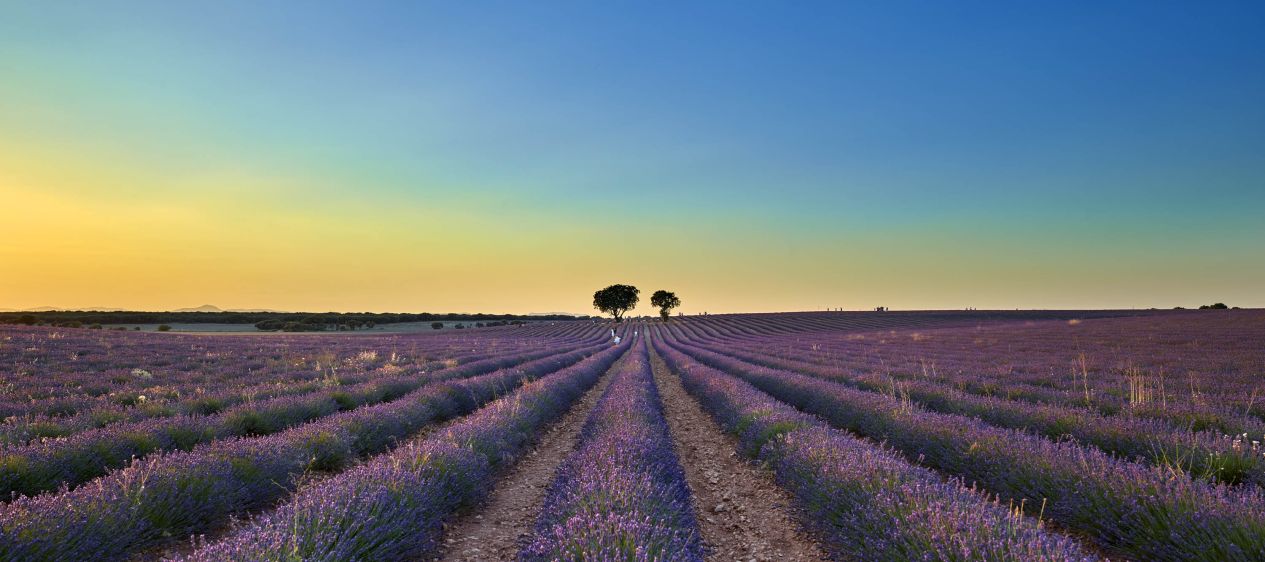
Among its most celebrated ingredients is Queso Manchego D.O.P., produced from the milk of Manchega sheep grazing across the plains and recognised worldwide as one of Spain’s most iconic cheeses. Equally prized is Azafrán de La Mancha, widely considered among the finest saffrons in the world and harvested each autumn from delicate purple crocus flowers.
Other distinctive regional products include Ajo Morado de Las Pedroñeras, renowned for its intense aroma, Miel de la Alcarria, traditional olive oils and the highly valued Cordero Manchego.
The vineyards of Castilla-La Mancha are equally remarkable. Covering the largest vineyard surface area in the world, they form the backbone of a winemaking tradition that continues to evolve while remaining deeply connected to the land.
FROM TRADITION TO THE TABLE
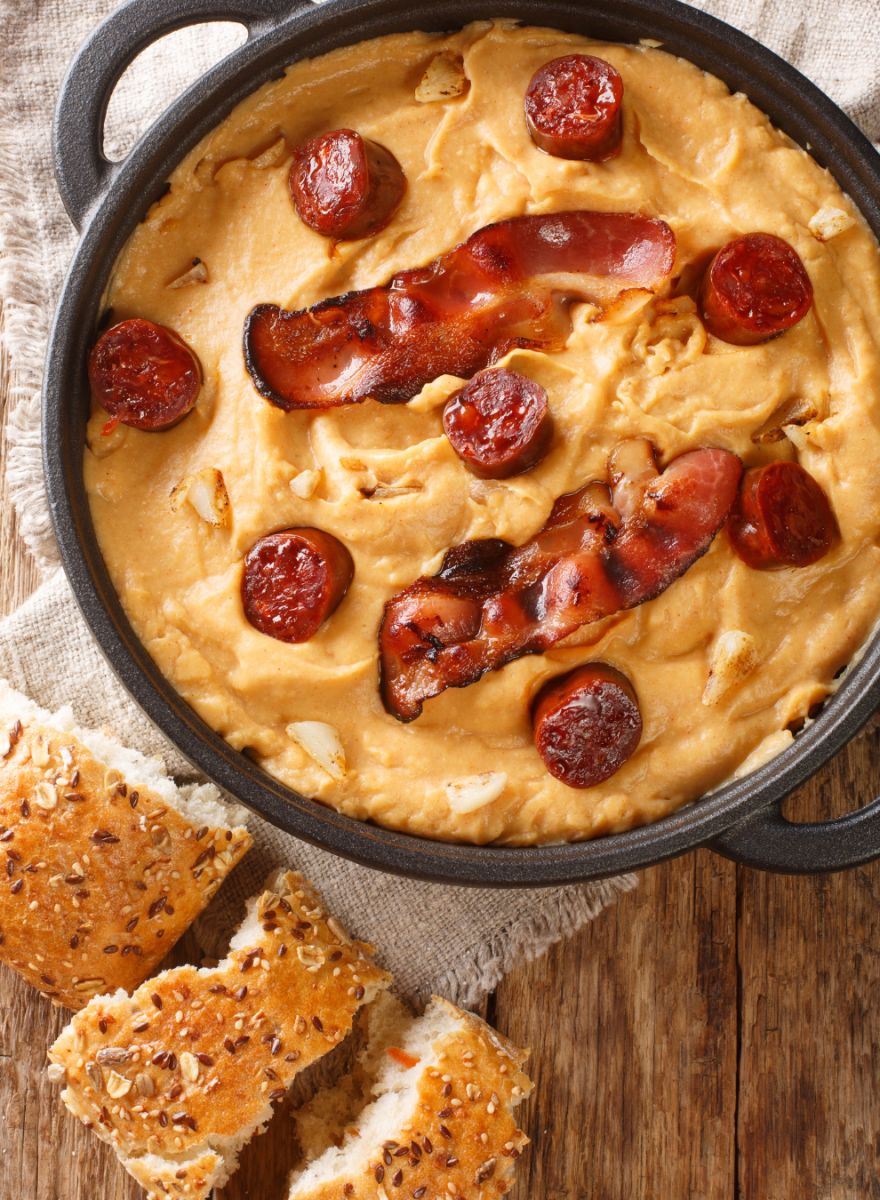
The dishes of Castilla-La Mancha reflect the ingenuity of rural cooking. Recipes such as gachas manchegas, pisto manchego, migas and atascaburras originated from humble ingredients yet have become defining elements of the region’s culinary heritage.
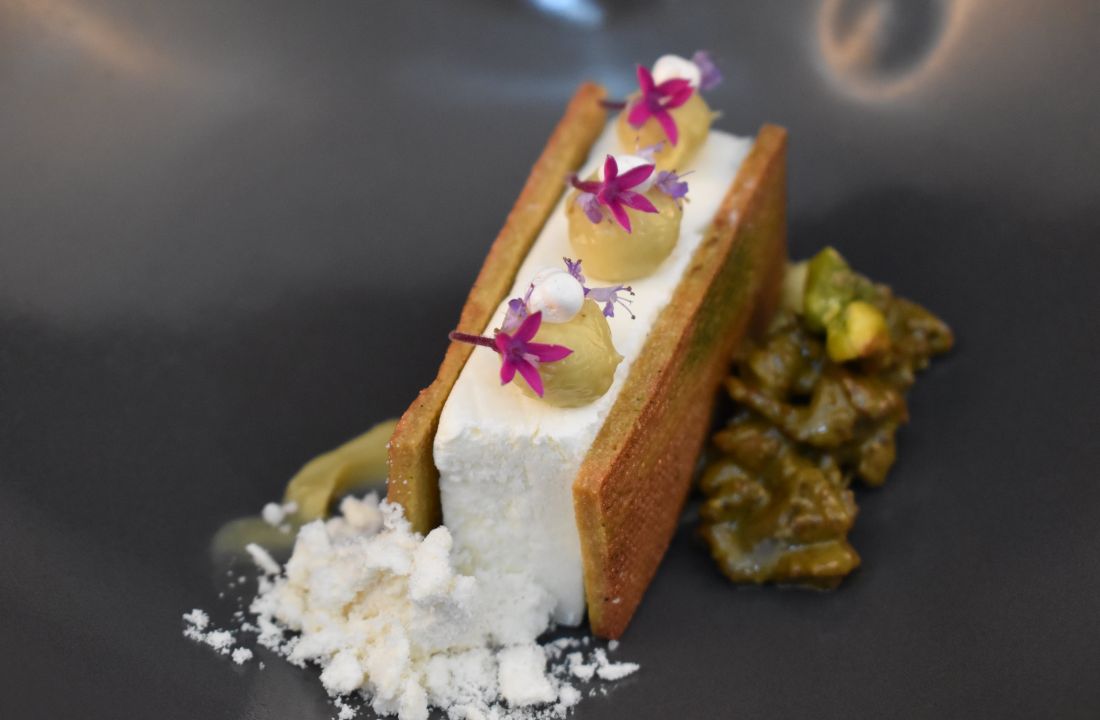
Lamb stews and game dishes including partridge, venison and hare illustrate the importance of hunting traditions in local gastronomy. Today, many chefs reinterpret these classic flavours with contemporary techniques, creating a dialogue between tradition and modern culinary creativity.
Experiences for Gastronomy Lovers
Exploring Castilla-La Mancha means discovering gastronomy through the landscape itself.
Visitors can follow wine routes that cross the vast plains of La Mancha, visit artisan cheese dairies producing Manchego, or explore local markets where regional ingredients reveal the richness of the territory. In autumn, the delicate saffron harvest colours the fields purple as producers gather the crocus flowers by hand.
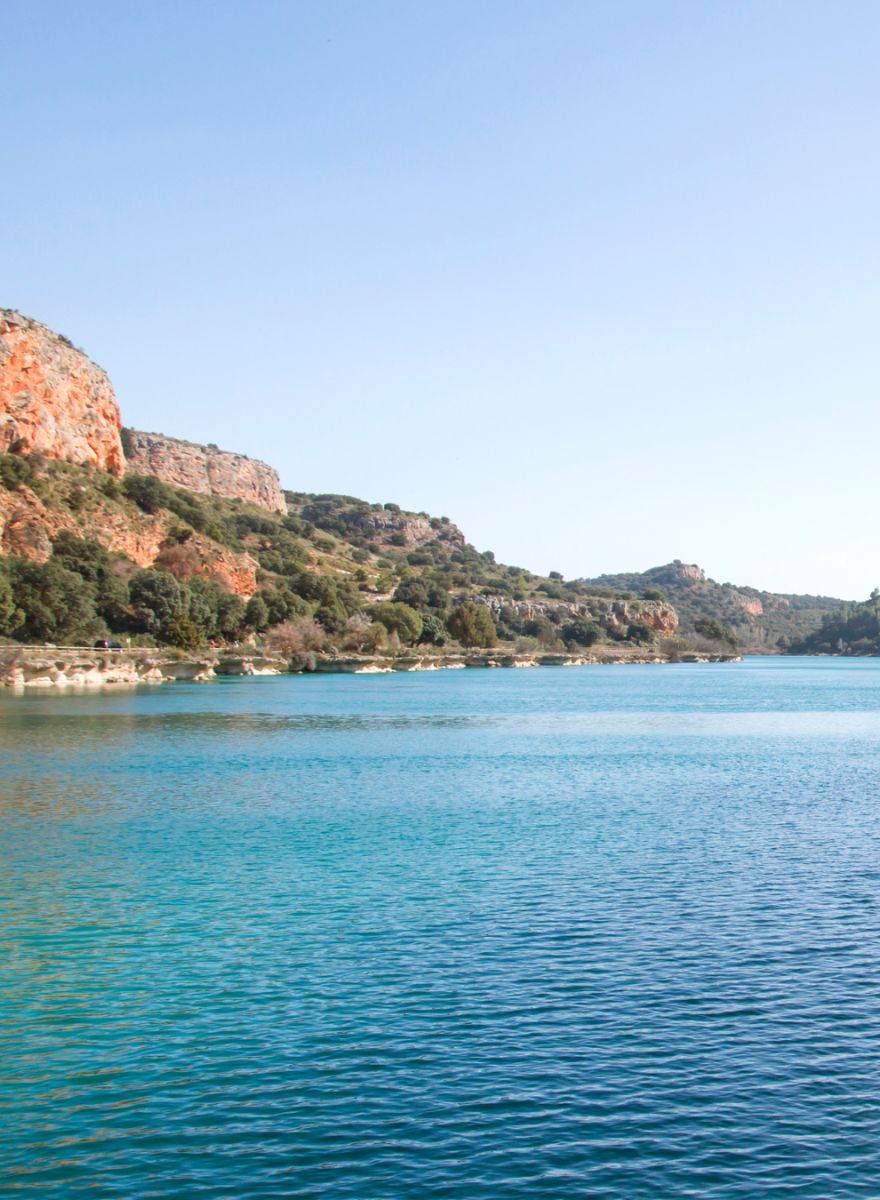
Natural areas such as Las Lagunas de Ruidera and Las Tablas de Daimiel National Park offer a different perspective on the region, where wetlands and lakes contrast with the iconic dry plains and windmill landscapes associated with Don Quixote.
Between historic cities, quiet villages and open countryside, Castilla-La Mancha offers travellers an experience defined by authenticity, heritage and exceptional local cuisine.
JRE Chefs in Castilla-La Mancha
The culinary identity of the region is also reflected in the work of JRE chefs who celebrate local ingredients and traditions through contemporary cuisine.
El Coto de Quevedo – Torre de Juan Abad (Ciudad Real)
Located in the countryside of Ciudad Real, El Coto de Quevedo expresses the essence of Manchegan gastronomy through a philosophy centred on territory, seasonality and sustainability. Under the direction of chef José Antonio Medina, the cuisine highlights game meats, regional produce and local wines, reflecting the landscapes and traditions of La Mancha.
Azafrán – Villarrobledo (Albacete)
At Restaurante Azafrán, chef Teresa Gutiérrez reinterprets the flavours of her region with a contemporary perspective. Her cuisine combines local ingredients, seasonal produce and traditional recipes, bringing renewed life to the culinary heritage of Castilla-La Mancha while preserving its authentic character.