Leading JRE: A Conversation with International Vice President Nicolai P. Wiedmer
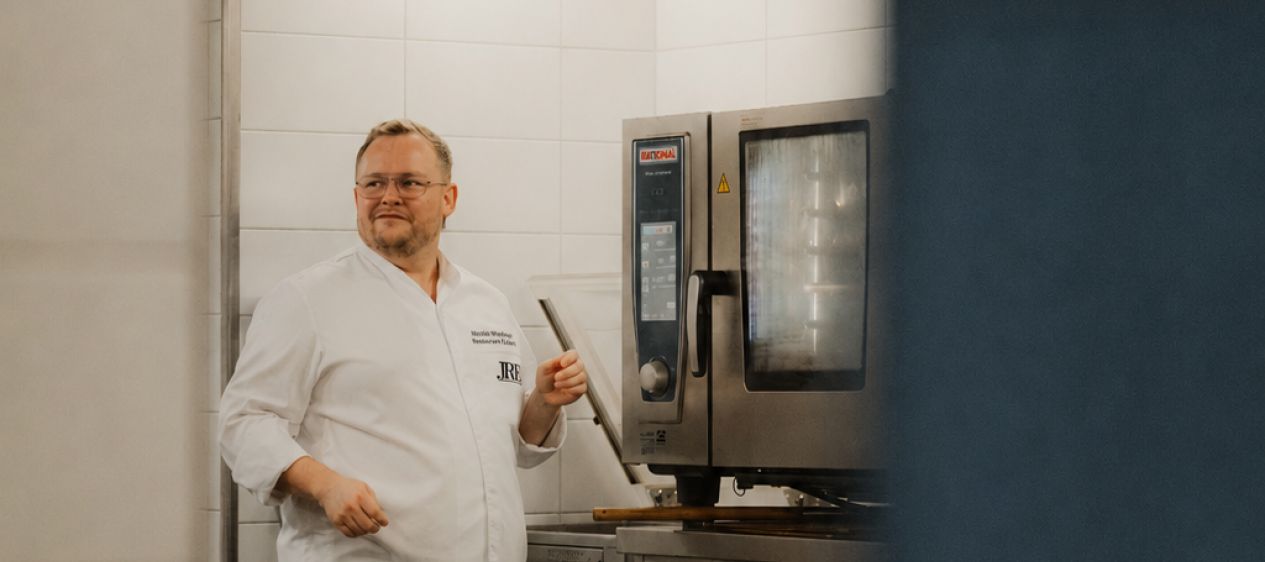
As part of the JRE-community, Nicolai P. Wiedmer has played an active role in shaping its direction in recent years. As International Vice President, he represents a new generation of leadership within the association, bringing together culinary identity, hospitality, and an international perspective. In this interview, we speak with him about his journey as a chef, his role within the international board, and the values that guide both his work at Restaurant Eckert and his commitment to JRE. The conversation reflects how JRE continues to evolve through the people behind it, and what defines our community beyond the plate.
From the Kitchen to Today
Can you give us a short introduction with your name, your restaurant, and your location?
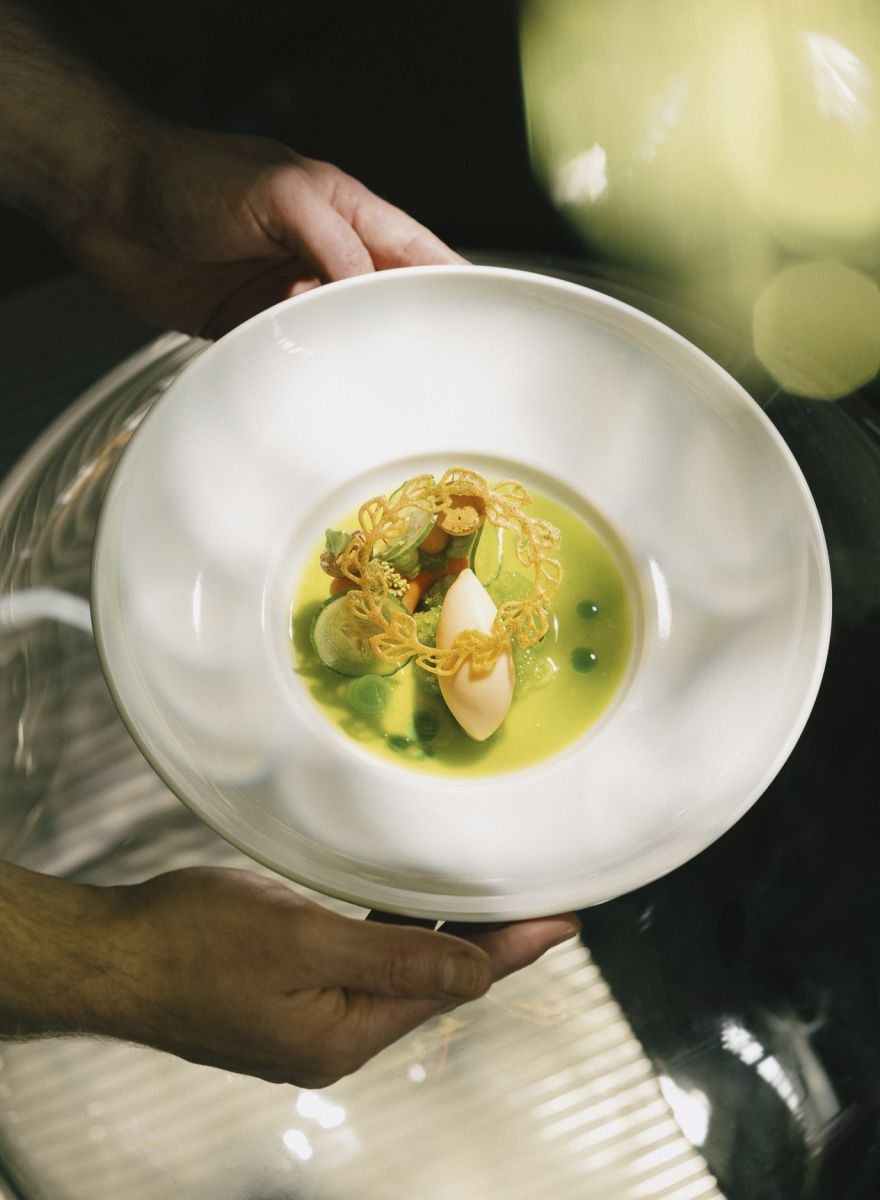
My name is Nicolai Wiedmer, and I run Restaurant Eckert in Grenzach-Wyhlen, right in the border triangle where Germany, Switzerland, and France meet. Eckert is part of our family-run group, which operates several hotels and restaurants in the region as well as our ice cream concept Schlotzeria. Alongside my work in the kitchen, I also serve as International Vice President of JRE.
How did your journey in the culinary world begin, and what inspires you most in your work today?
I basically grew up in this profession. My family runs Hotel Krone in Inzlingen, so hospitality was part of daily life from a very young age — I was around guests, around cooks, around that very particular rhythm of a restaurant long before I ever decided to make it my own path. After school, I did my classical training with Tanja Grandits in Basel, which was a defining time for me. She taught me precision, the discipline of a great kitchen, and how much personality can shape a plate. Right after that, in 2014, we opened Restaurant Eckert — going straight from training into opening your own house is intense, but it was the right moment.
What inspires me most today is the people side of this craft, just as much as the food itself. Developing my team, watching young cooks grow into real personalities, working closely with our producers and the handwork behind every ingredient — that's what keeps the fire going.
And being a host. At the end of the day, this profession is about being there for other people, with personality, with joy, with full presence. That's still the most beautiful part of what we do.
A Personal Approach to Cuisine
Can you describe the philosophy behind your restaurant and what makes it unique?
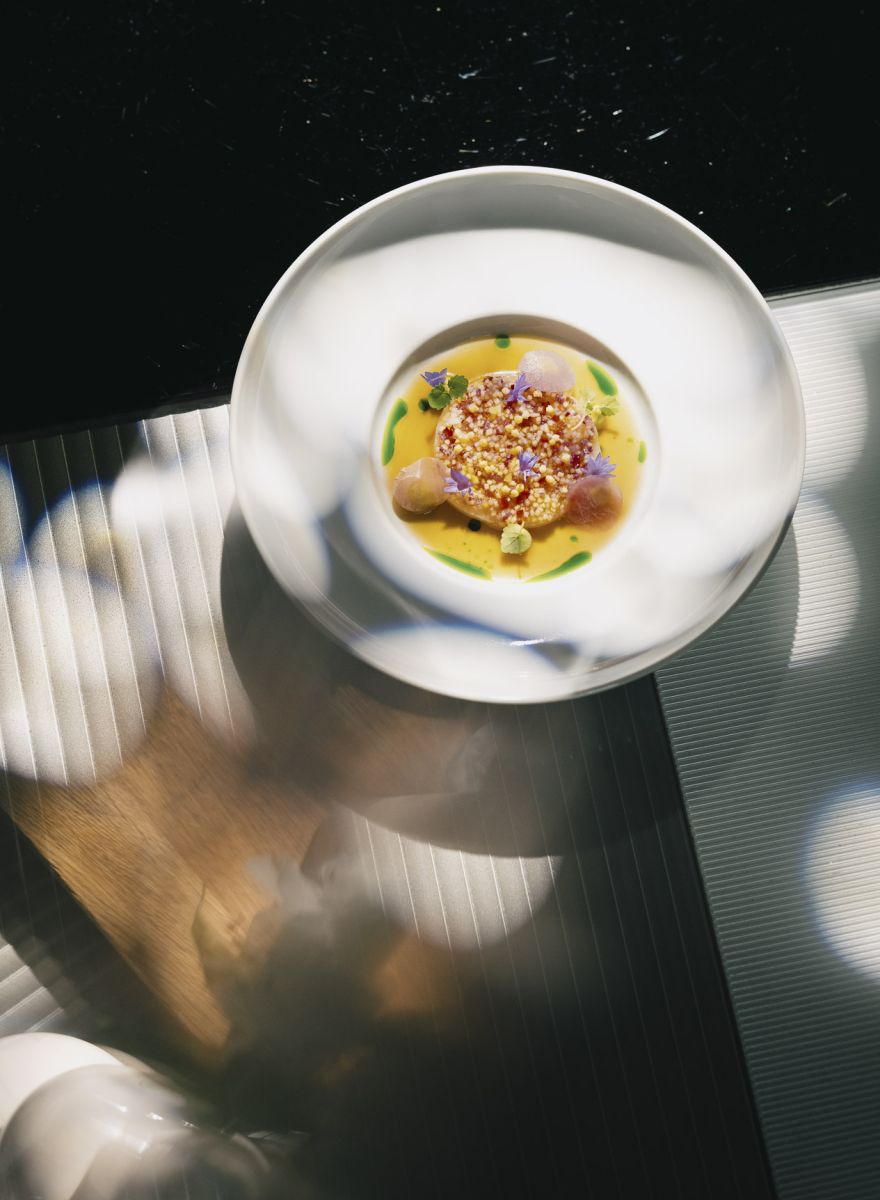
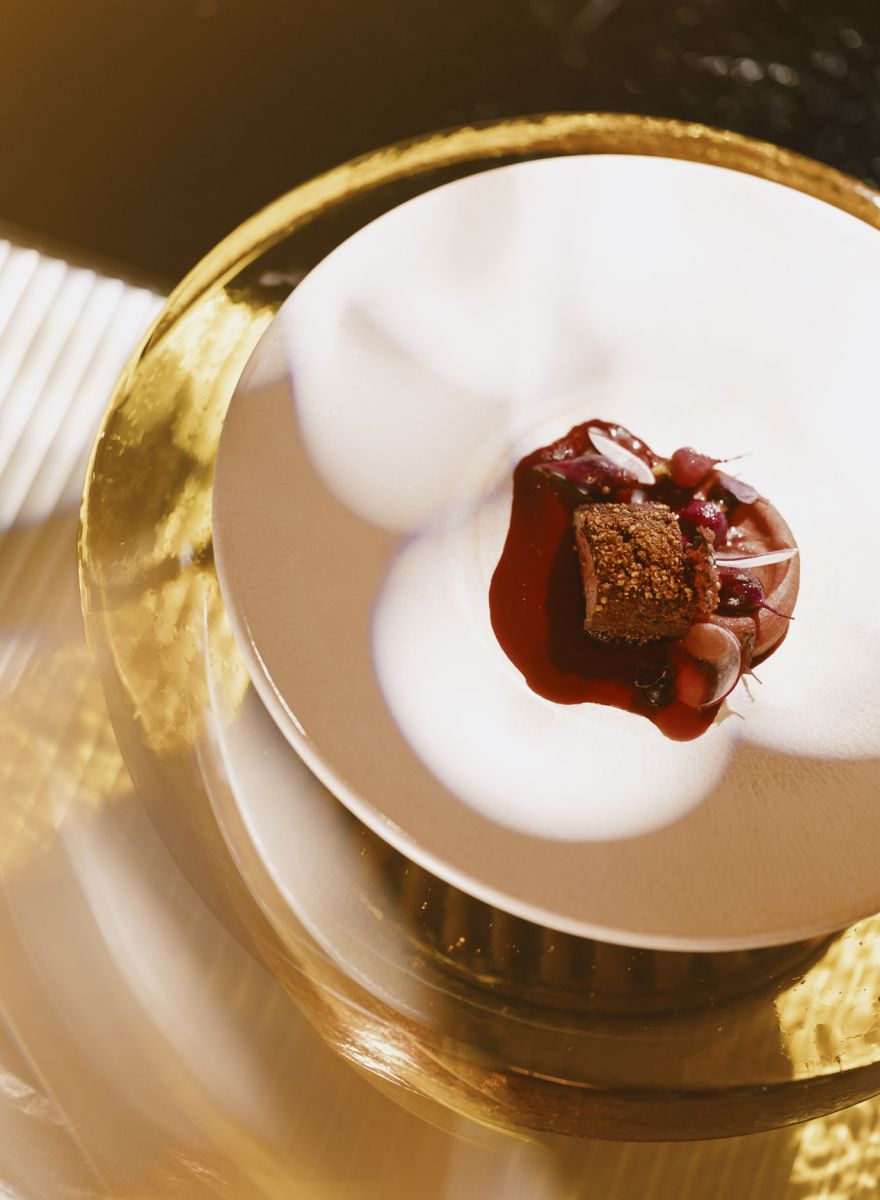
The philosophy behind Eckert lives in two words: tradition and innovation. We're deeply rooted in this region — in its producers, its seasons, its culinary memory — but we don't treat tradition as something untouchable. We question it, we play with it, we build on it. That tension between honouring where we come from and pushing where we're going is, for me, what gives a dish real character.
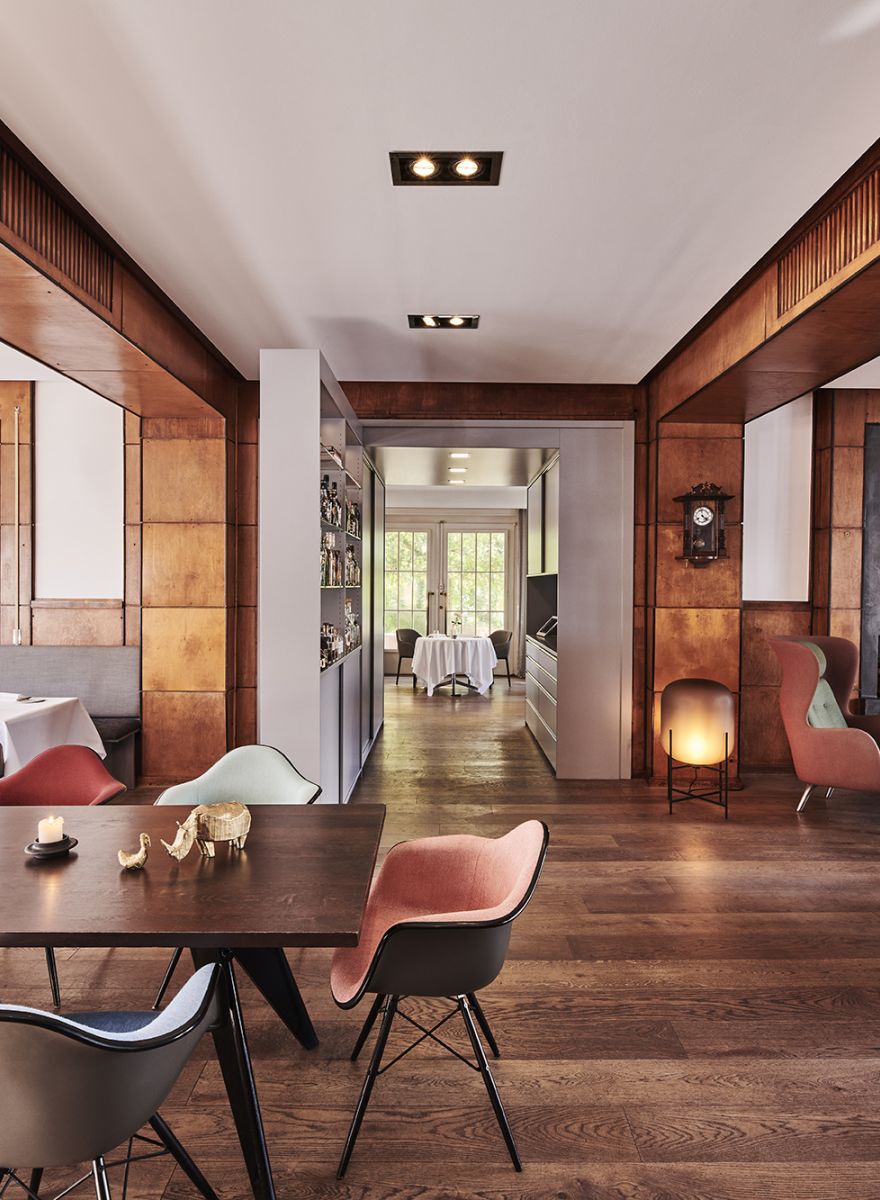
The second part of our philosophy is hospitality. A restaurant isn't just a kitchen — it's an experience. From the moment a guest walks in to the moment they leave, we want them to feel that they're somewhere personal, somewhere alive. Being a true host, with personality and presence, matters just as much to me as what's on the plate.
What ultimately makes Eckert unique is our team. We have a young, passionate crew — people who genuinely love what they do, who push each other, who bring their own ideas into the kitchen. You can taste that. A restaurant is only ever as strong as the people behind it, and the energy at Eckert is something you can feel the moment you walk in.
Passing on the Craft
What advice would you give to young chefs or hospitality professionals who want to follow in your footsteps?
My advice is honestly quite simple, but it takes years to live: learn the craft properly, and be patient with yourself. There are no shortcuts in this profession. The fundamentals — knife skills, sauces, timing, understanding a product — those need time, and they need humility. Don't rush past them. The cooks who try to skip ahead always show it on the plate later.
At the same time, develop your own personality. Find your own voice. The industry doesn't need more copies of someone else — it needs cooks who bring something honest of themselves into their cooking. Work with chefs who challenge you, travel, taste a lot, but in the end the question is always: what do you want to say with your food? That's what makes a career meaningful, and that's what guests feel.
And finally — stay tough with yourself. This is a hard profession. There will be days when nothing works, when the pressure is high, when you doubt everything. Push through those days. Discipline beats motivation every single time. The cooks I admire most aren't necessarily the most talented ones — they're the ones who kept going when it got difficult. That's where real character is built.
Joining the JRE Community
How long have you been a JRE member? What made you join JRE?
I joined JRE in 2022, so I'm still one of the newer members in a way. What brought me in was a combination of things. Several JRE colleagues had been talking to me about the association for a while, and what convinced me wasn't a sales pitch — it was the people themselves. The way they spoke about each other, the openness, the sense that this is a real community and not just a label.
Two things in particular resonated with me: the network and the values. The exchange between colleagues across countries — sharing ideas, techniques, experiences, sometimes just calling someone after a tough service — that kind of dialogue is rare in our profession, and incredibly valuable. And the philosophy of JRE itself: young, passionate restaurateurs who take their craft seriously but don't take themselves too seriously. That's exactly the kind of energy I wanted to be part of.
Which JRE values are most important to you, and how do you put them into practice at your restaurant?
Three values resonate most strongly with me: Identity, Development, and Friendship — and they're not abstract ideas for us, they shape how we work every day.
Three values resonate most strongly with me: Identity, Development, and Friendship — and they're not abstract ideas for us, they shape how we work every day.
Identity is the foundation. Our location in the border triangle, our region, our producers, our culinary memory — that's what gives Eckert its character. I believe a great restaurant should taste of somewhere. You should be able to feel where you are when you sit at our table. We live that value by working closely with regional producers, by honouring traditional techniques, and by interpreting them in our own contemporary language.
Development is, for me, almost the most important value — both personally and for the team. A kitchen has to be a place where people grow. We invest a lot in our young cooks: giving them responsibility, encouraging them to bring their own ideas, sending them on stages, exposing them to colleagues across Europe. If they leave Eckert one day as better cooks and better people, we've done our job.
And finally Friendship. JRE is, at its core, a community of people who genuinely like and respect each other. That's rare in this industry, and it's something we live every day — through honest exchange between colleagues, through helping each other out, through the simple fact that you can pick up the phone and call someone in another country who understands exactly what you're going through. I try to bring that same spirit into my own house — with my team, with my guests, with our producers. A restaurant built on real relationships feels different. You can taste it.
Shaping the Future of JRE
You stepped into the international board fairly quickly after joining the association. What does this role represent for you?
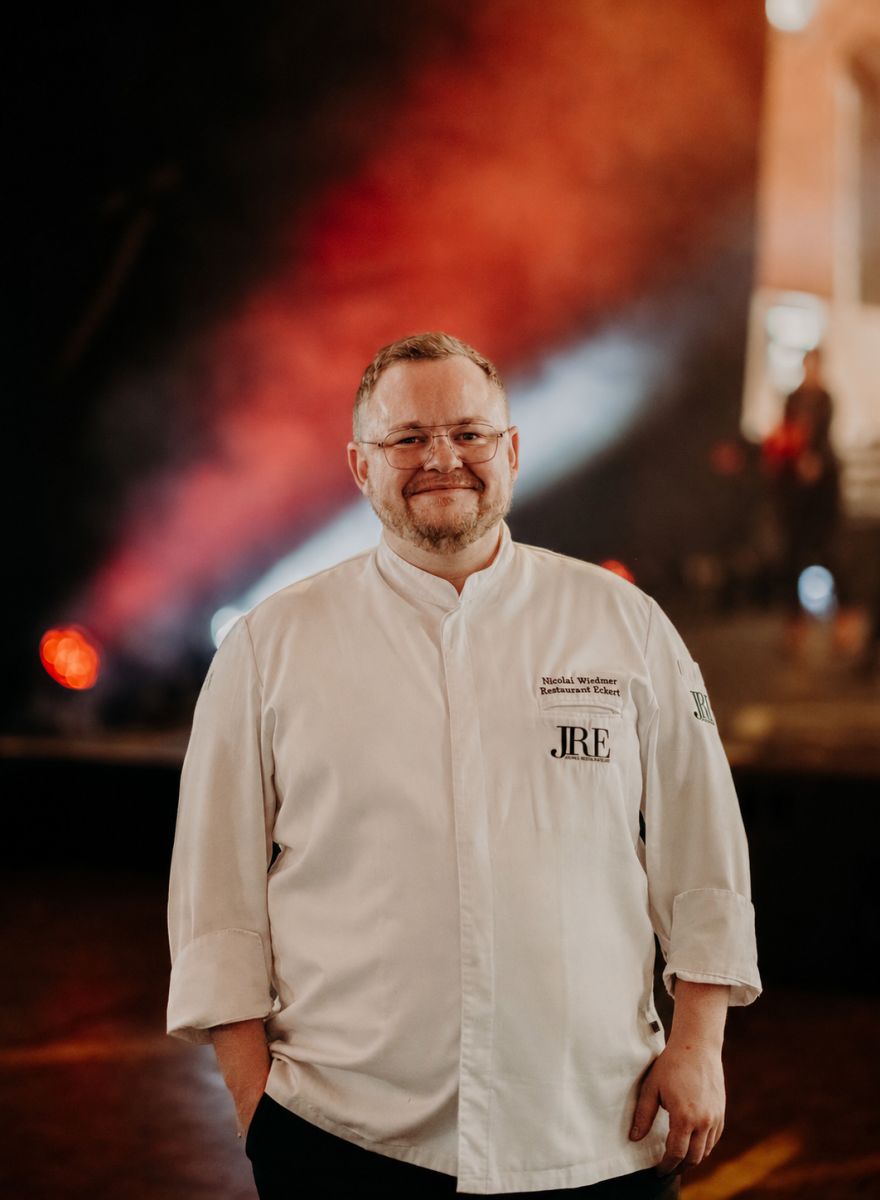
I've been serving on the international board as Vice President since 2024. For me, this role represents three things above all.
First, responsibility — and the chance to actively shape where we go as an association. JRE has a strong identity, but identity isn't static; it has to be developed, defended, and reinterpreted with every generation. Being on the board means having a real seat at that table, contributing to decisions that affect colleagues in 21 countries. That's a privilege I take very seriously.
Second, it's an honour. The fact that colleagues from across Europe trust you with this kind of responsibility is something you don't take for granted. JRE is a community built on mutual respect, and being elected into the board carries the weight of that trust.
And third — quite honestly — it's personal growth. Stepping out of your own kitchen and thinking on an international level, working with people from very different culinary cultures, navigating governance, strategy, and partnerships — that stretches you. I've learned more about leadership and the gastronomy industry as a whole in these two years than in many years before. It makes me a better restaurateur, not just a board member.
JRE’s Role in Gastronomy
Zooming out a little - How do you see JRE contributing to the development of gastronomy as a whole?
For me, JRE makes its biggest contribution in two areas: nurturing the next generation, and giving independent restaurants a voice.
The next generation is at the heart of what we do — it's literally in the name: Jeunes Restaurateurs. Our profession needs young people who are willing to take the risk of running their own house, who bring fresh energy, fresh ideas, fresh perspectives. JRE supports them by creating real opportunities: international exchanges, stages across Europe, events where young cooks can meet, learn from each other, and build a network that lasts a career. That kind of cross-border development is something a single restaurant could never offer on its own.
The second contribution is visibility for independent, owner-run restaurants. In an industry increasingly dominated by groups, chains, and concepts, the independent restaurateur — the chef who owns and runs their own house — has become rarer and more precious. JRE puts these restaurants on the map, gives them a collective voice, and shows guests that there's a whole family of places across two continents worth seeking out. That visibility matters, because it's not just about marketing. It's about preserving a way of doing gastronomy that I believe is essential: personal, rooted, authentic, owner-driven.
Moving JRE Forward
With that in mind, what goals do you want to achieve during your time on the board — and what have you already managed to move forward?
My goals as a board member follow exactly from that idea. The first is visibility. JRE has an incredible story to tell — 410 restaurants across Europe and Latin America, an entire generation of young restaurateurs pushing the craft forward — but as an association we've sometimes been too modest about it. I want JRE to be more present: in the media, on social platforms, in the public conversation about gastronomy. Not louder for the sake of being louder, but more confident in showing what this community actually stands for. We're already making real progress here, and it's something I want to keep pushing.
The second goal is bringing members closer together. JRE only works if it's a real community, not just a logo on a door. That means more exchange, more shared experiences, more moments where colleagues from different countries actually meet, cook together, and build relationships that last. Events like our International Congress in Cologne or the JRE Kitchen Party are exactly those kinds of moments — they're where the association comes alive.
And the third goal — perhaps the most important one for the long term — is making JRE more attractive for the next generation. The young restaurateurs opening their first house today are the JRE of tomorrow. We need to speak their language, understand their realities, and make sure they see JRE as something they want to be part of. If we manage that, the association will stay strong for the next thirty years.
Looking to the Next Generation
And finally — what advice would you give to the next JRE President?
If I could pass on three things to whoever takes on the presidency next, it would be these.
First: have the courage to change things. JRE is a beautiful association with a strong heritage, but heritage can quickly become a comfort zone. The world around us — gastronomy, media, the way young people work and live — is moving fast. A president has to be willing to question what we do, to evolve structures, to let go of things that no longer serve us. Preservation alone is not a strategy. The associations that thrive are the ones with the courage to reinvent themselves while staying true to who they are.
Second: use our values as a compass, not as chains. Passion, Quality, Identity, Development, Friendship — these are the foundation of JRE. But they're meant to guide us forward, not to lock us into one way of doing things. A good president interprets these values for the present moment, not just protects them from the past. That's a fine balance, but it's the most important one to get right.
And third: stay close to the members. JRE only exists because of the people who run their restaurants every day, with all the pressure and passion that comes with it. The presidency can pull you into meetings, strategy, partnerships — important things — but never lose contact with the colleagues on the ground. Visit their houses, listen to their realities, understand what they actually need. The day a president stops listening is the day the association loses its soul.