Destination: Limburg, Belgium
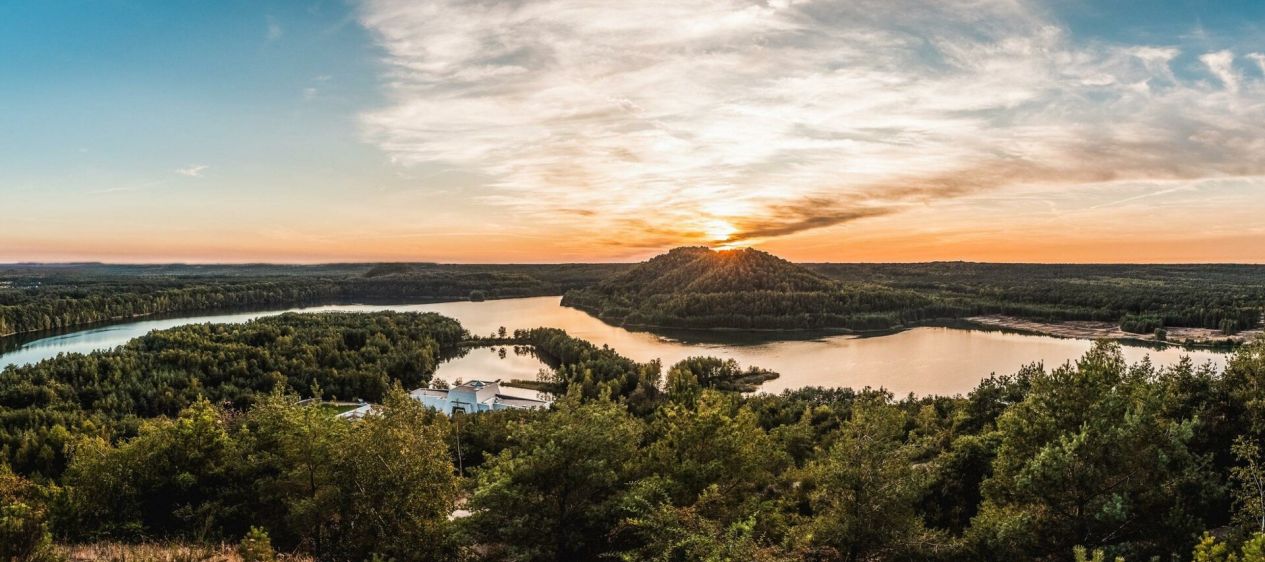
Along Belgium's eastern border, Limburg unfolds through rolling countryside, fruit orchards, historic towns and some of the country's most celebrated cycling routes. Known for its green landscapes and strong agricultural traditions, the province offers a slower rhythm of travel where nature, gastronomy and local heritage remain closely connected.
Rather than being defined by a single landmark, Limburg reveals itself through a collection of landscapes and experiences. From blossom-filled orchards in Haspengouw and the forests of Hoge Kempen National Park to lively market towns and family-run producers, visitors discover a region where seasonal ingredients, rural traditions and contemporary gastronomy come together in a distinctly Limburg way.
A Region Shaped by Agriculture and Cross-Border Traditions
Limburg is the easternmost province of Belgium, bordering the Netherlands and located within the Flemish region. Known for its green landscapes, fruit orchards, cycling routes, and strong agricultural traditions, Limburg occupies a unique place in Belgian culture and gastronomy. The province combines rural heritage with cross-border influences, creating a culinary identity that differs from the more urban food cultures of cities such as Brussels or Antwerp.
Limburg's gastronomy has been shaped primarily by its fertile agricultural land and its historical position as a crossroads between Belgium, the Netherlands, and Germany. The region is especially known for fruit cultivation, including apples, pears, and cherries, which contribute to local desserts, syrups, ciders, and jams. Traditional farming and livestock production also play an important role, leading to a cuisine centered around seasonal produce, hearty meat dishes, and artisanal dairy products.
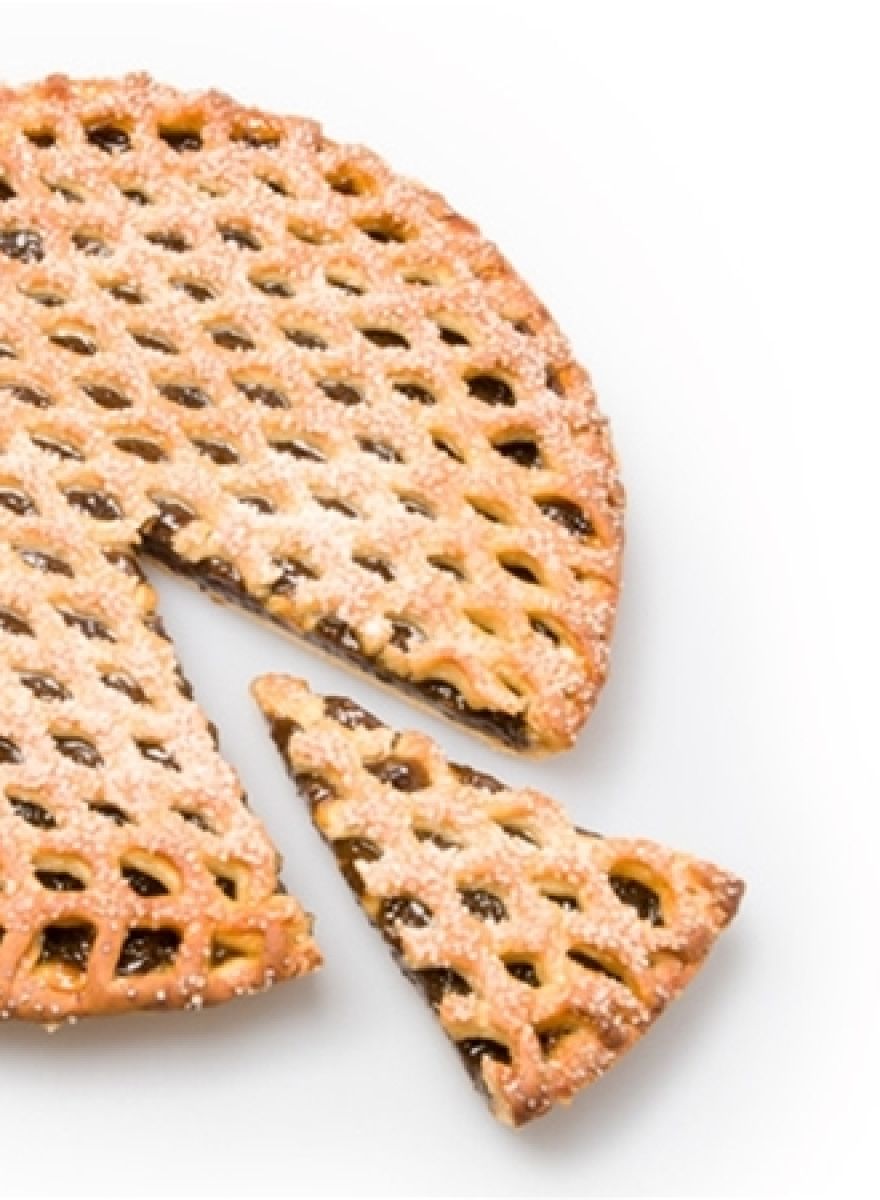
Historically, Limburg developed through a mix of Flemish and Dutch cultural influences. This cross-border interaction is reflected in local recipes, baking traditions, and café culture. Dishes are often simple, rustic, and community-oriented, emphasizing freshness and regional ingredients rather than elaborate preparation. The province is particularly famous for Limburgse vlaai, a traditional fruit tart that has become one of the most iconic pastries in both Belgian and Dutch Limburg.
Natural influences strongly define the region's food identity. The rolling hills of South Limburg, river valleys, and extensive farmland support local breweries, orchards, and small-scale producers. In recent decades, Limburg has also gained recognition for culinary tourism, with local markets, gastronomic festivals, and farm-to-table dining experiences attracting visitors from across Belgium and neighboring countries.
Overall, Limburg represents a region where agriculture, tradition, and cross-cultural exchange come together to create a rich and authentic gastronomic heritage within Belgium.
Between Orchards, Nature and Historic Towns
Limburg offers a mix of natural landscapes, historical heritage, and modern attractions, making it one of Belgium's most diverse regions for tourism. The province is especially known for its green scenery, cycling routes, charming towns, and cultural landmarks.
One of the region's most famous natural attractions is Hoge Kempen National Park, Belgium's first national park. The park features forests, heathlands, lakes, and walking and cycling trails, making it a popular destination for outdoor activities and nature tourism.
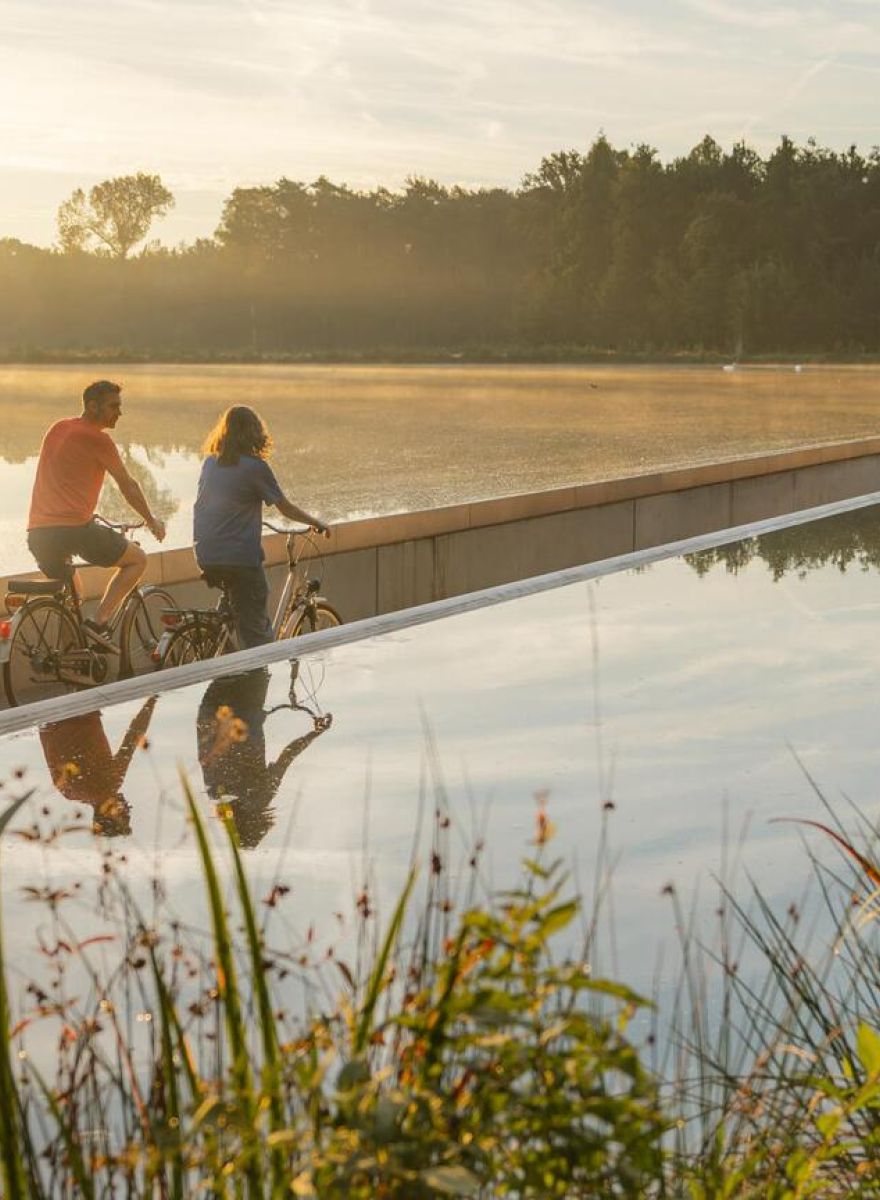
Another iconic attraction is Cycling Through Water, a unique cycling path where visitors ride through a lake at water level. Limburg is internationally recognized for its cycling infrastructure, including routes through forests, vineyards, and fruit orchards.
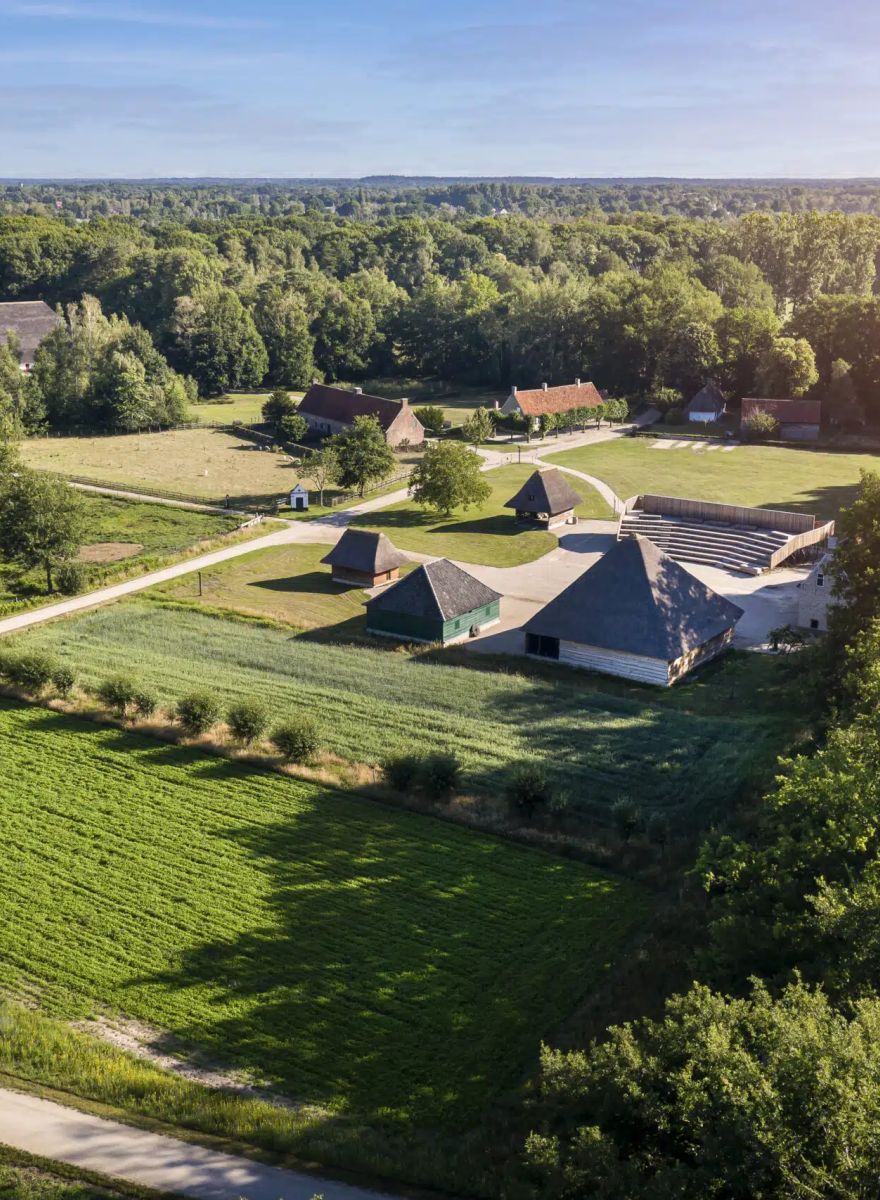
The open-air museum Bokrijk is one of the province's most important cultural sites. It recreates traditional Flemish village life with historic buildings, demonstrations of old crafts, and exhibitions about rural heritage.
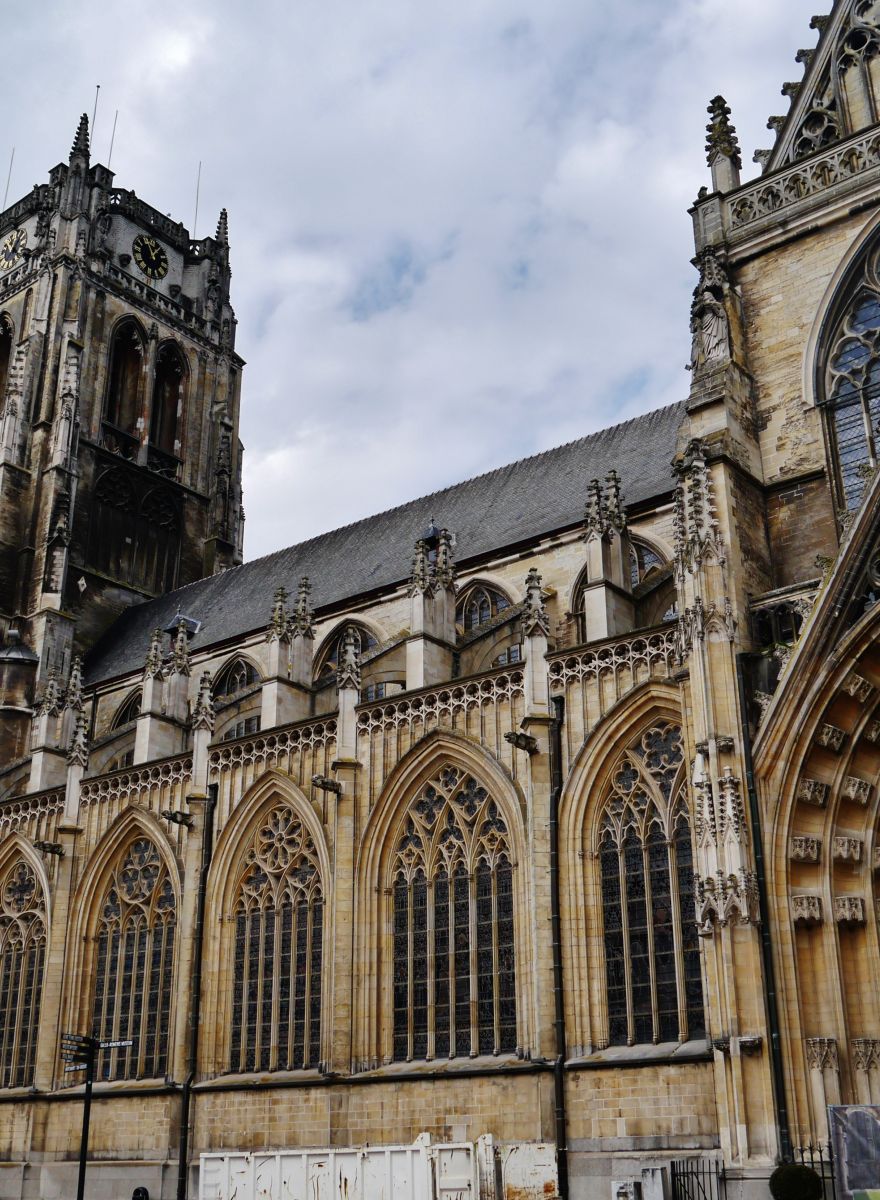
For historical and religious heritage, Tongeren, Belgium's oldest city, is a major highlight. Visitors can explore Roman archaeological remains, medieval walls, and the impressive Basilica of Our Lady. Tongeren is also famous for its large antique market.
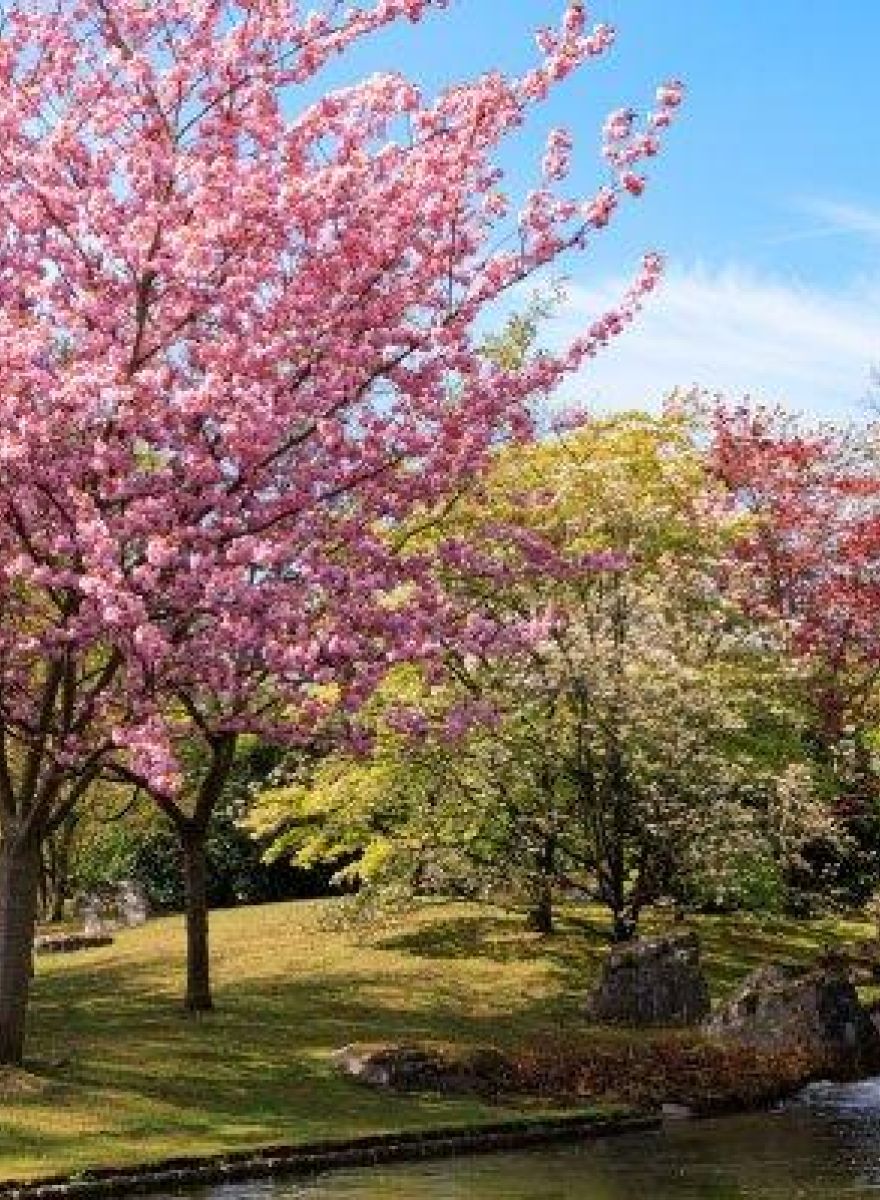
The city of Hasselt, the provincial capital, combines modern culture with historical charm. Attractions include the Japanese Garden, the largest Japanese garden in Europe, as well as fashion museums, cozy cafés, and the city's famous jenever tradition.
In the fruit-growing region of Haspengouw, visitors can enjoy blossom landscapes in spring, castles, orchards, and scenic countryside routes. During blossom season, the area becomes one of the most photographed regions in Belgium.
Limburg also contains several castles and abbeys, such as Herkenrode Abbey, an important historical religious site surrounded by nature reserves and walking paths.
Overall, Limburg's sights combine nature, history, gastronomy, and outdoor recreation, giving the province a distinctive and welcoming character within Belgium.
The Flavours of Limburg
The cuisine of Limburg is known for its rural character, seasonal ingredients, and strong connection to local agriculture. Thanks to its fertile soil and long farming tradition, Limburg is one of Belgium's most important fruit-producing regions. Apples, pears, cherries, and strawberries are especially significant and are commonly used in desserts, syrups, jams, and regional beverages.
One of the most famous specialties of the region is Limburgse vlaai, a traditional pie made with thin dough and filled with fruit or rice pudding. Popular varieties include cherry, apricot, plum, and rice-filled vlaai. It is considered an iconic symbol of Limburg's culinary heritage and is often served with coffee or during family celebrations.
Limburg is also known for several regional products and artisanal specialties, including:
Borgloon fruit syrup, a thick syrup made from apples and pears.
Haspengouw fruit, renowned throughout Belgium for its high quality.
Artisanal cheeses and dairy products from local farms.
Limburg asparagus, a highly valued seasonal product in spring.
Game dishes during autumn, especially from forested areas such as the Hoge Kempen National Park.
Beer culture also plays an important role in the province. Limburg is home to several craft breweries producing traditional Belgian beers, ranging from abbey-style ales to fruit beers and specialty brews.
Traditional Limburg dishes are generally hearty and simple, often prepared with potatoes, vegetables, bacon, and meat. Stews, blood sausage, rabbit dishes, and homemade soups are common examples. The cuisine reflects the province's agricultural roots and the importance of family-style dining.
Limburg also hosts a variety of culinary events and regional food markets. Spring blossom festivals in the Haspengouw area attract many visitors, while beer festivals and local food fairs celebrate the province's gastronomic traditions. These events highlight the close connection between Limburg's identity, agriculture, and food culture.
Experiences Across Limburg
Limburg is an attractive destination for food lovers because of its strong agricultural traditions, regional specialties, and combination of gastronomy with nature tourism. Visitors can experience authentic Belgian regional cuisine through local markets, fruit farms, breweries, and culinary festivals spread across the province.
One of the most important culinary regions in Limburg is Haspengouw, famous for its orchards and fruit production. During spring blossom season and the autumn harvest period, visitors can explore fruit farms, taste fresh local produce, and enjoy products such as apple and pear syrup, ciders, jams, and desserts. Many farms also organize tastings and countryside tours that highlight the connection between agriculture and Limburg's food culture.
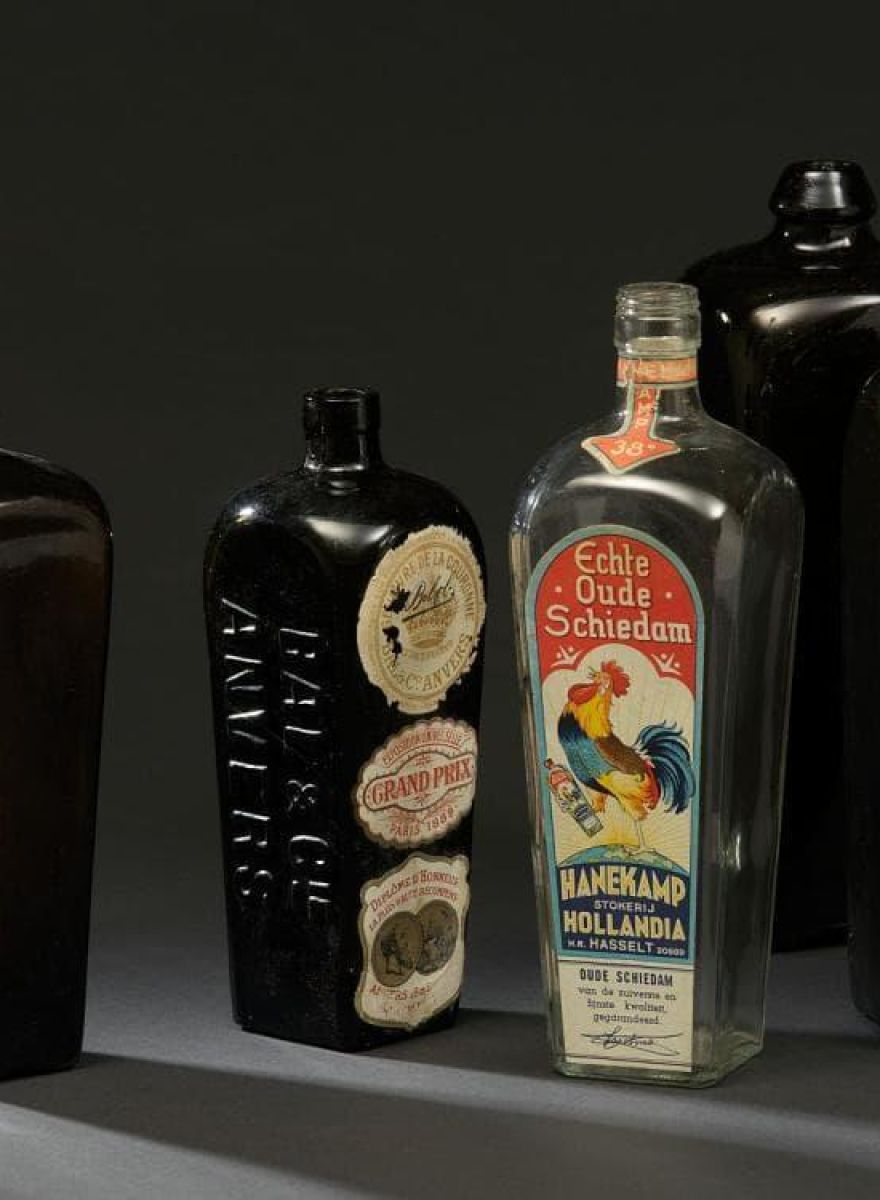
The city of Hasselt is well known for its culinary atmosphere and local specialties. Hasselt is traditionally associated with Belgian jenever, and visitors can discover this heritage at the National Jenever Museum, where they can learn about the production process and regional drinking culture. The city also offers cozy cafés, local restaurants, and food-focused events throughout the year.
Food lovers visiting Tongeren can combine gastronomy with history. The city's famous antique market attracts visitors every weekend, while local bakeries and cafés serve traditional Limburgse vlaai and other regional pastries. Tongeren's historical center also hosts seasonal food markets featuring artisanal cheeses, meats, and local beers.
A major attraction for visitors is the opportunity to taste authentic Limburgse vlaai, the region's iconic fruit pie. Many bakeries across Limburg specialize in traditional recipes using cherries, apples, apricots, or rice fillings. Trying freshly baked vlaai is considered an essential culinary experience in the province.
Beer tourism is another important aspect of Limburg's appeal. The region contains several craft breweries where visitors can sample traditional Belgian beers and learn about local brewing methods. Brewery tours and beer-tasting events are common, especially during summer festivals.
Local food festivals and farmers' markets also play a major role in Limburg's tourism scene. Blossom festivals in Haspengouw celebrate the fruit-growing tradition of the region, while seasonal markets showcase local honey, asparagus, cheeses, syrups, and handmade products. Autumn game and harvest festivals further emphasize Limburg's connection to seasonal cuisine and rural heritage.
In addition, destinations such as Bokrijk allow visitors to experience traditional Flemish village life, including historical cooking demonstrations and regional food traditions. This combination of culture, history, and gastronomy gives tourists an authentic taste of Limburg's local identity.
A Region Defined by Nature, Cycling and Local Heritage
Limburg stands out for its combination of natural beauty, rural charm, and strong regional traditions. Unlike the more densely urbanized parts of Belgium, Limburg is known for its green landscapes, peaceful atmosphere, and high quality of life. The province is often associated with hospitality, cycling culture, and close connections to nature.
One of Limburg's most distinctive features is its extensive network of cycling routes, considered among the best in Europe. Unique cycling experiences such as Cycling Through Water and cycling through the trees have become internationally recognized attractions, blending tourism with innovative landscape design.
The region is also famous for its fruit-growing areas, especially Haspengouw. In spring, thousands of blooming fruit trees transform the countryside into a colorful landscape that attracts photographers and visitors from across Belgium and neighboring countries. This agricultural identity strongly shapes Limburg's culture, economy, and gastronomy.
Nature plays a central role in the province's identity. Hoge Kempen National Park is Belgium's first national park and highlights the region's forests, heathlands, lakes, and biodiversity. The park symbolizes Limburg's commitment to environmental preservation and outdoor recreation.
Historically, Limburg has a rich heritage influenced by Roman, medieval, and industrial periods. Tongeren, the oldest city in Belgium, reflects the province's Roman roots through archaeological remains and historical architecture. In contrast, former mining cities such as Genk showcase Limburg's industrial past and multicultural development during the 20th century.
Limburg is also culturally unique because of its strong local traditions and dialects, many of which differ from standard Dutch spoken in other parts of Flanders. Regional festivals, local markets, folklore events, and traditional foods contribute to a strong sense of community and identity.
Another signature feature is the balance between tradition and modern tourism. Historic abbeys, castles, and rural villages exist alongside contemporary attractions, art spaces, and sustainable tourism initiatives. This blend of heritage, innovation, and natural scenery gives Limburg a distinctive character within Belgium.
JRE Chef in the Limburg
Alter – Tongeren-Borgloon | Jo Grootaers & Lana Kelchtermans
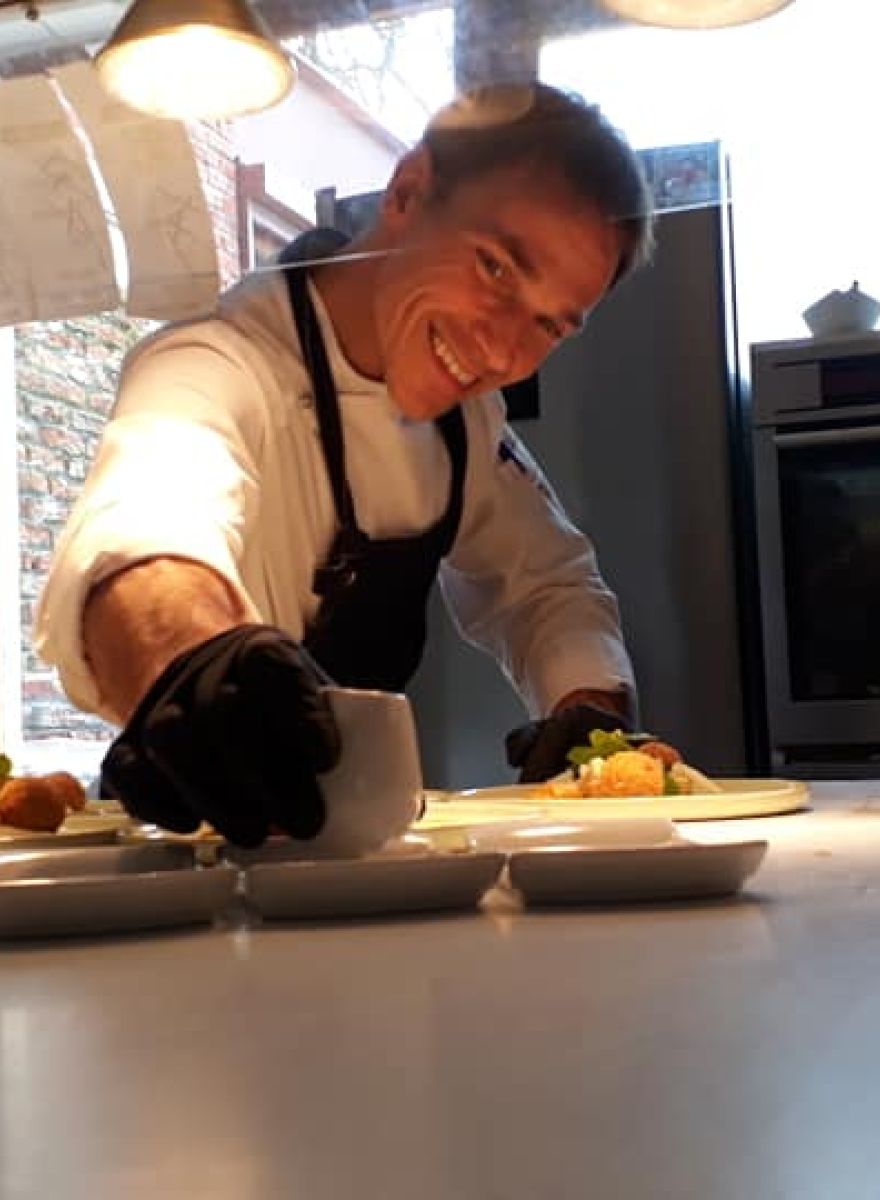
At the age of 19, Jo Grootaers knew exactly what he wanted to be: a top chef. So the talented chef took matters into his own hands. Instead of waiting for a top chef to take him under their wing and teach him the finer points of gastronomy, he developed a creative yet technical cooking style that has blossomed beautifully over the years. Drawing on his intuition, Chef Jo Grootaers creates exceptionally tasty, out-of-the-box dishes with distinct flavours. His cooking style is characterised by his personality and boyish bravado. Jo serves up much more than just stunning culinary creations: he knows how to move people. His gastronomy is, therefore, an experience you won’t soon forget.
As hostess and co-owner of Alter, Lana Kelchtermans sets the tone in the dining room. She is warm, attentive and, naturally, professional. Since taking over the restaurant in Riksingen with chef Jo Grootaers in 2023, she has helped create a place where guests are happy to linger. Her eye for detail is evident in the rhythm of the evening, from the initial welcome to the final cup of coffee. Lana keeps the atmosphere relaxed whilst ensuring the service remains impeccable, so that everyone feels at ease and the evening lingers in the memory.
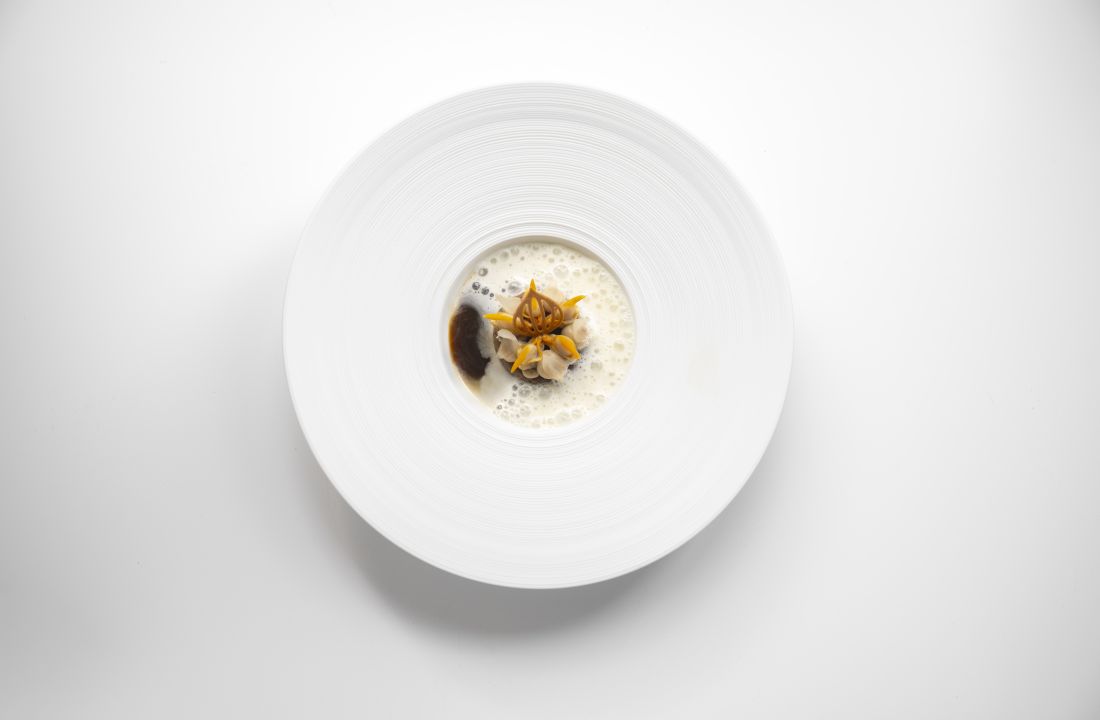
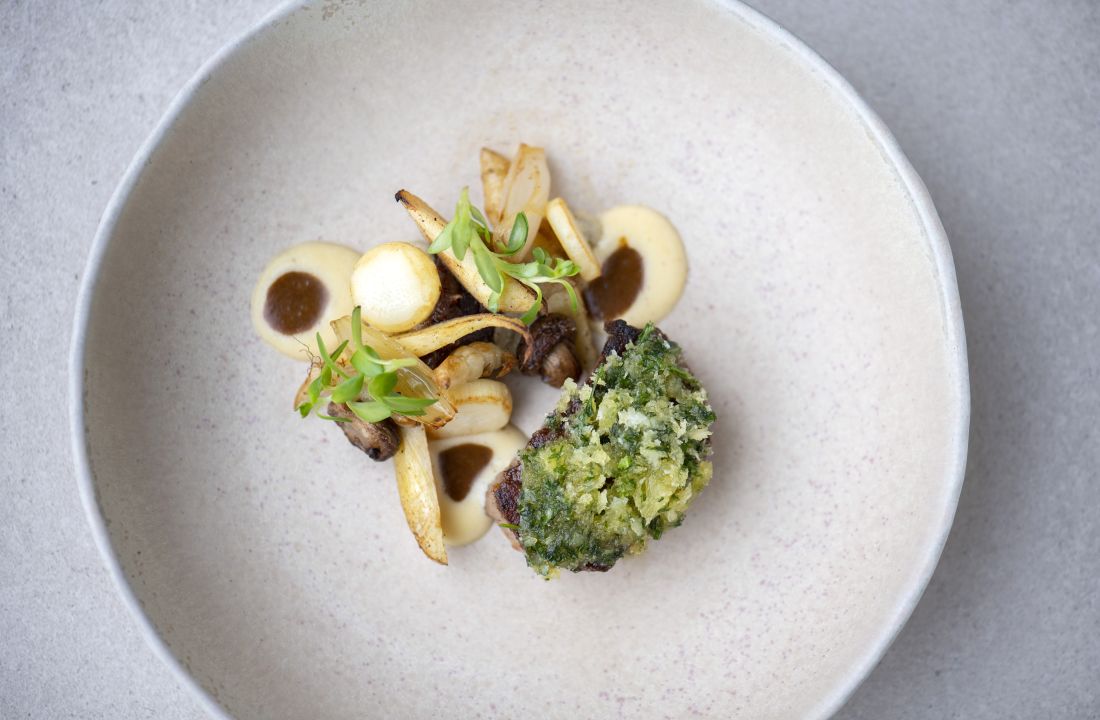
Restaurant Alter in Tongeren, Belgium, led by chef Jo Grootaers and Lana Kelchtermans, focuses on creative, contemporary fine dining that balances seasonal, high-quality products with "out-of-the-box" innovation. The cuisine is characterized by pure, readable flavors, meticulous plating, and a strong emphasis on tasty sauces.
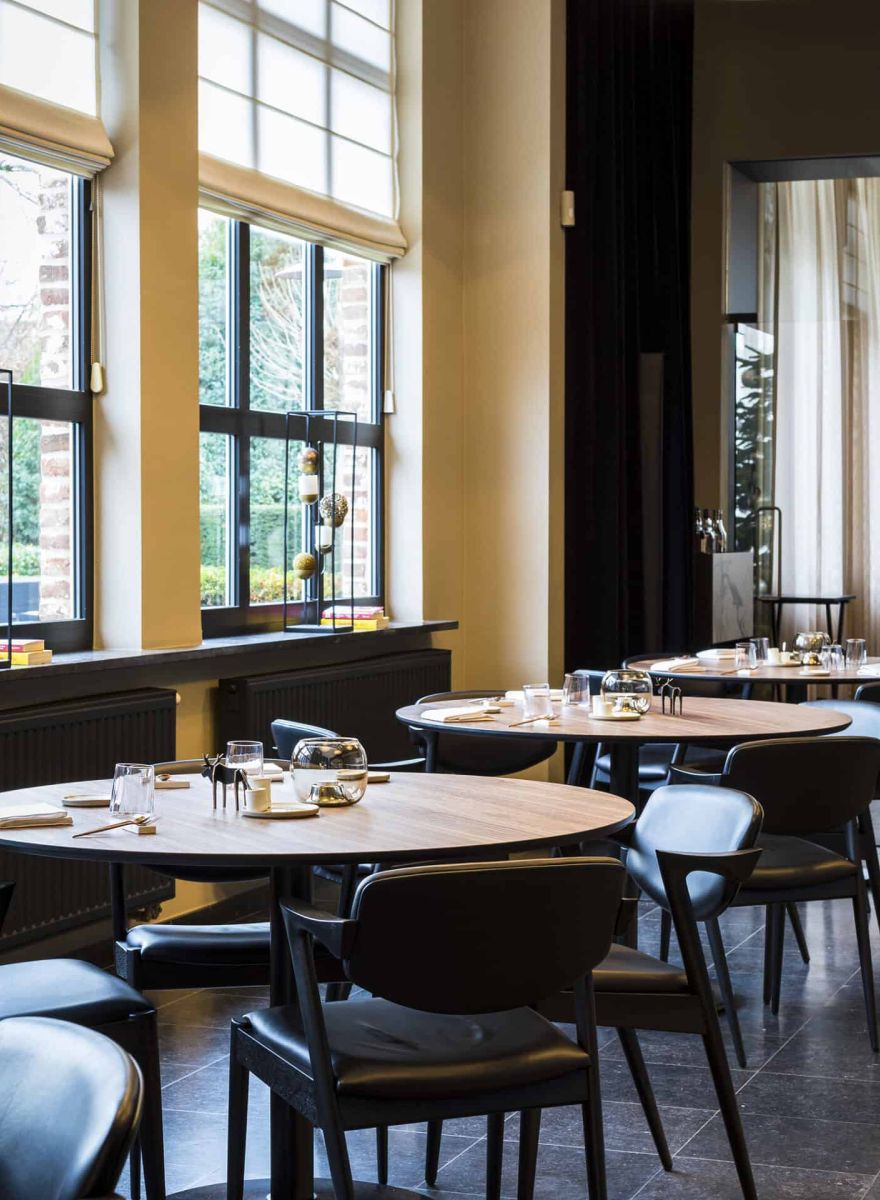
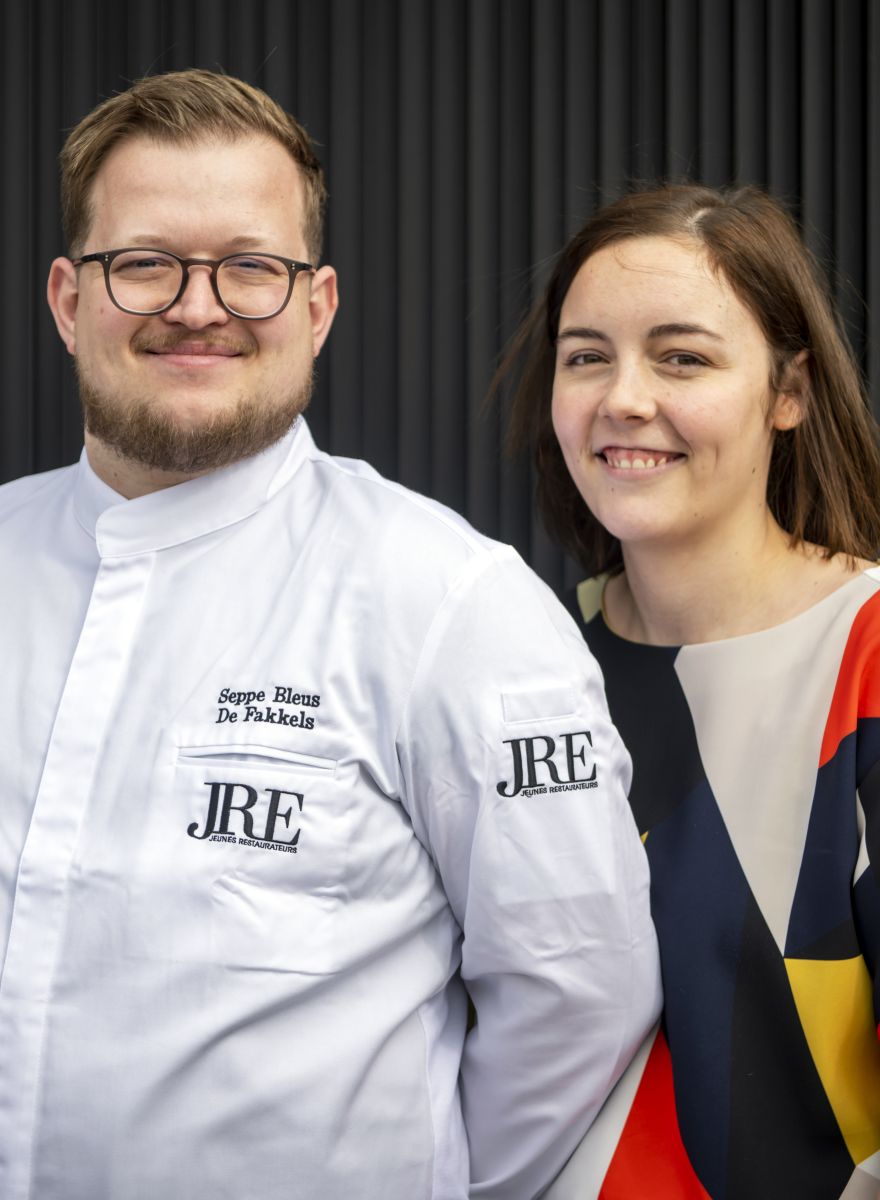
De Fakkels – Sint-Truiden | Seppe Bleus & Liese Bams
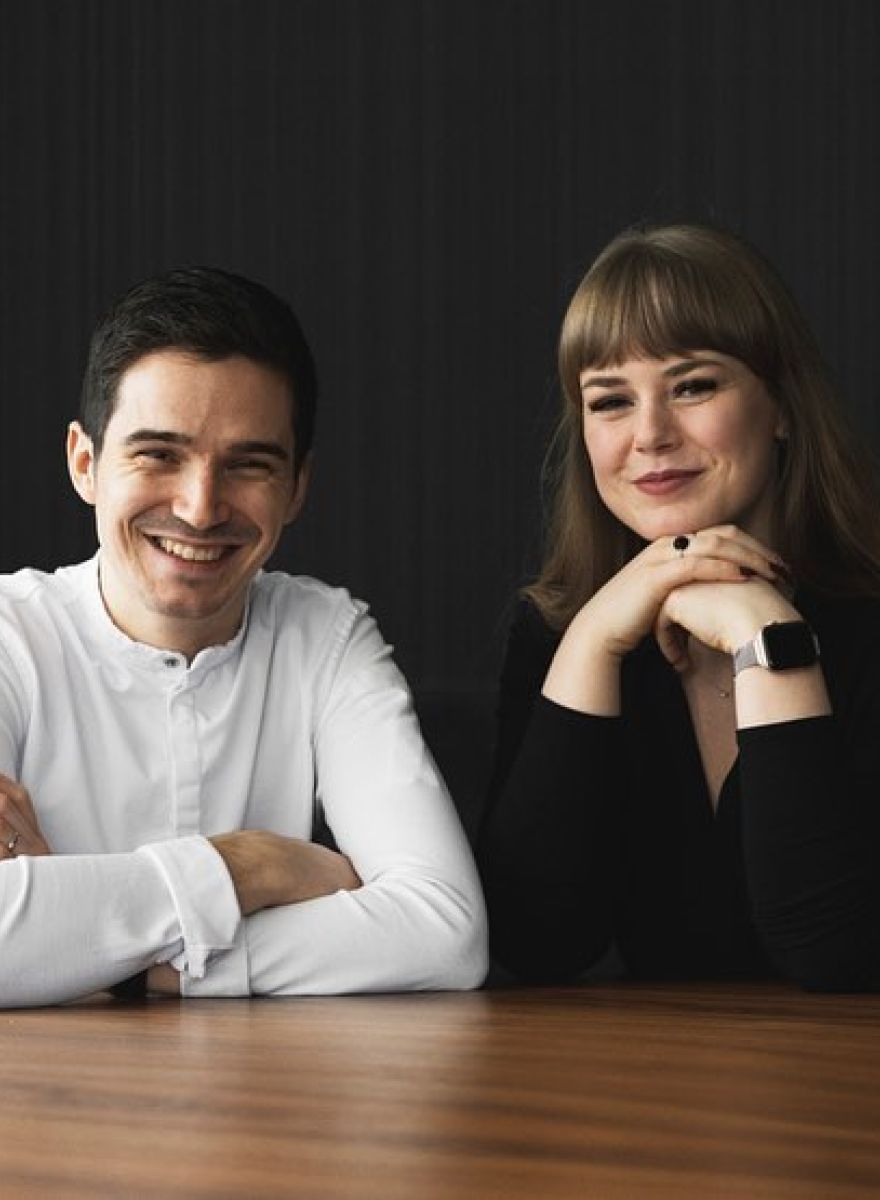
For Seppe Bleus, it soon became clear that he was destined to be a chef. After completing his culinary studies, Seppe earned his spurs working alongside Master Chef Paul-Luc Meesen. Seppe is characterised by his passion and enthusiasm for experimentation.
His transparent approach to local produce within a modern French cuisine forms the basis of his cosmopolitan palette of flavours. Gastronomy in a warm yet refined setting makes for an unforgettable experience.
Over the years, Liese has immersed herself in all things sweet. With her gentle and warm nature, she ensures a pleasant experience in the restaurant. Driven by her eagerness to learn, she is constantly on the lookout for ways to enhance the dining experience. She is currently specialising as a chocolatier and plans to complete her training as a sommelier.
Behind Restaurant De Fakkels lies a complementary duo who met at the hotel school in Herk-de-Stad. Their shared passion for gastronomy brought them together and is now the driving force behind their business.
Seppe gained experience in various renowned establishments and started at De Fakkels as a pastry chef, where he rose to become head chef.
Liese began her career in the kitchen, but later found her way into the world of chocolate and ice cream creations. Today, she leads the front-of-house team and runs the restaurant alongside Seppe.
Together, they strive for honest cuisine with a cosmopolitan touch, where the flavours of seasonal and local produce take centre stage. Their family-oriented approach is reflected in every dish: the best of the local area, lovingly prepared and served in a beautiful old mansion with a modern, warm atmosphere.
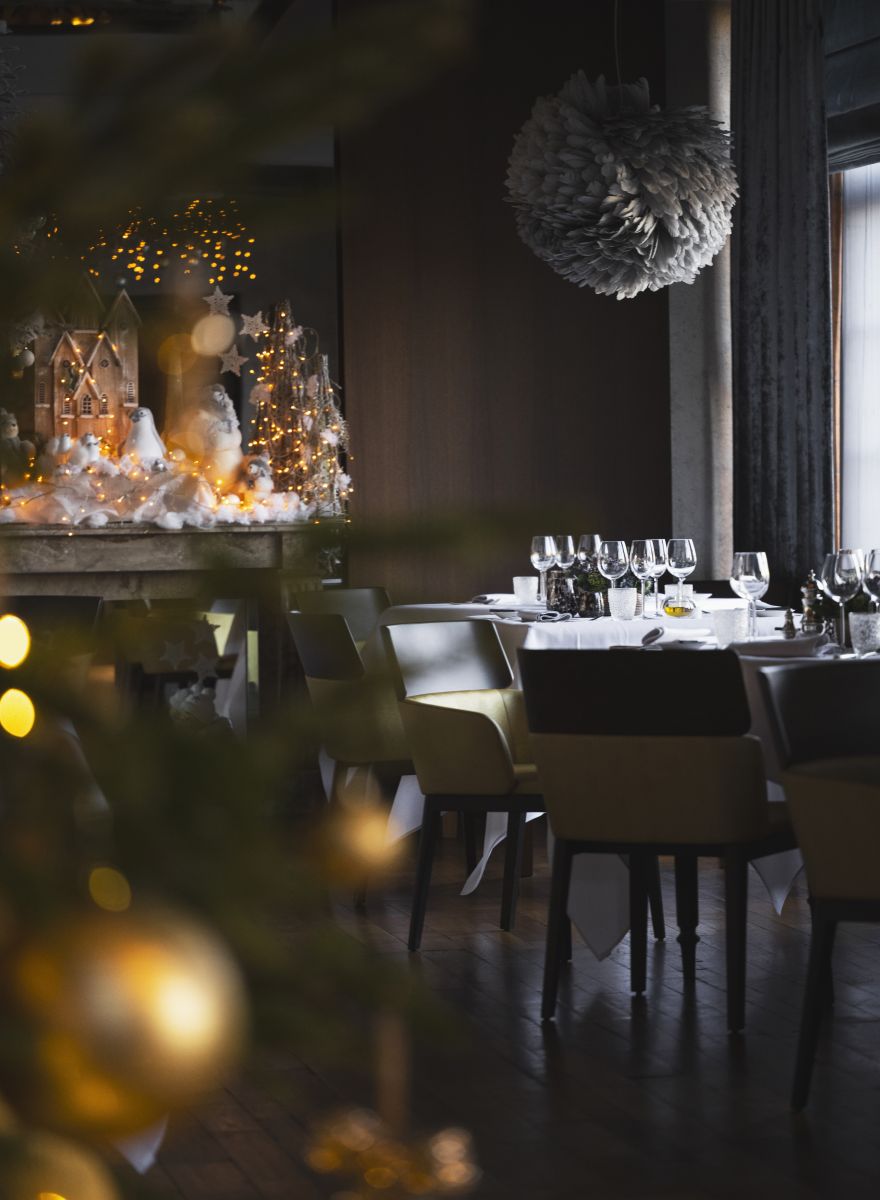
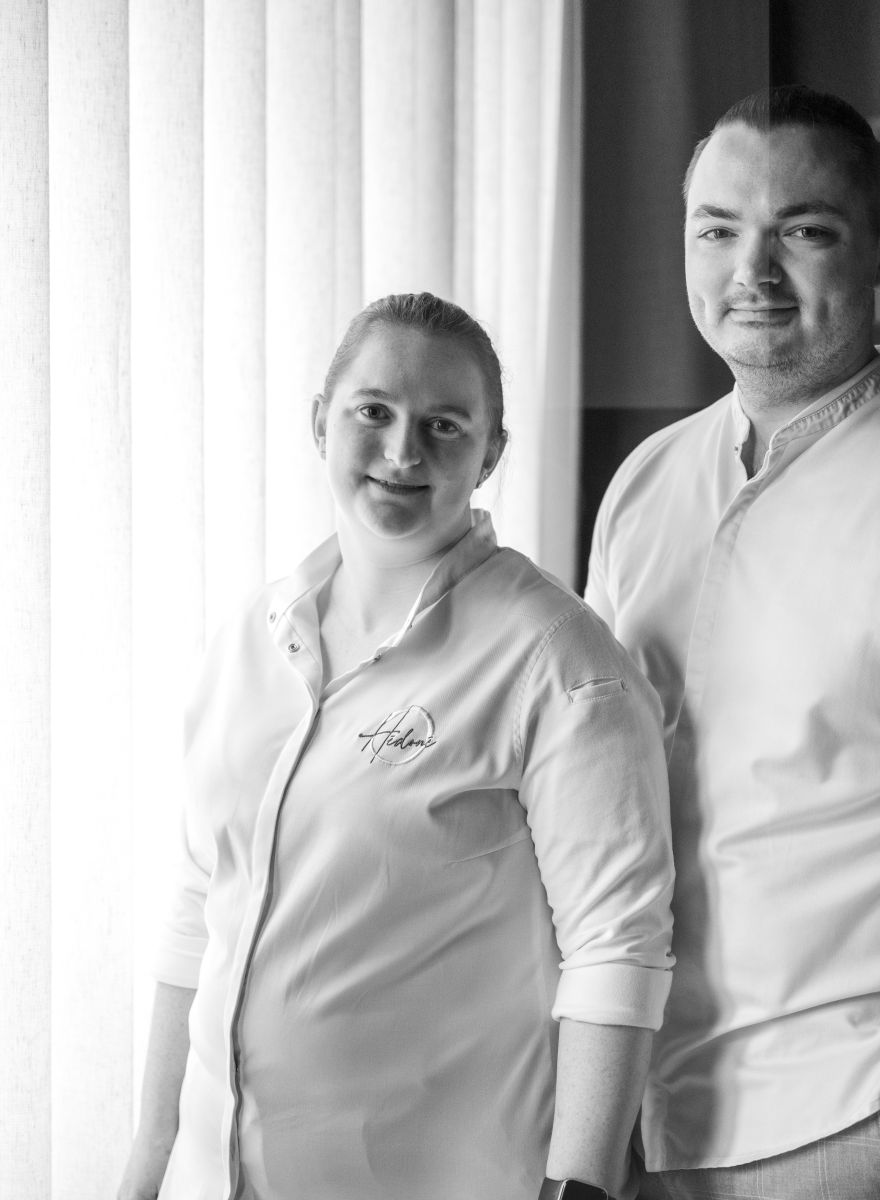
Hēdonē – Tongeren-Borgloon | Davine Croughs & Nicholas Neve
Chef Davine Croughs started her culinary journey in the very building where Hēdonē now stands, and after years in top kitchens it was time to make it personal. Her experience at Zilte and Ralf Berendsen shows in her precision, but her ambition here is different: create the kind of night she and Nicholas would love themselves. Seasonal ingredients and pure flavours are the base, then she adds influences from anywhere that excites her, as long as it tastes right and feels true.
Sommelier and host Nicholas Neve brings years of gastronomic experience to the front of house at Hēdonē, but he keeps the feeling easy and familiar. He welcomes guests warmly, explains the menu in a natural way, and chooses wines that strengthen the flavours Davine builds in each course. The wine list can also be found online, so guests can discover the selection in detail, and order bottles for home delivery. The goal stays simple: make the evening feel complete, calm and genuinely enjoyable.
At Hēdonē everything is about pure enjoyment-exact as the name implies. Hēdonē is the ancient Greek goddess of pleasure and sensual pleasure, and that is exactly what we, Nicholas and Davine, want to offer: a refined yet personalized culinary experience.
With years of experience at the gastronomic level, we complement each other perfectly. Davine is in the kitchen, passionately creating dishes that focus on seasonal ingredients and pure flavors. Nicholas provides a warm welcome in the room and guides you through the menu with carefully selected wines that enhance the dishes.
At Hēdonē, it's not just about food, but a total experience. We look forward to welcoming you and taking you into our story.
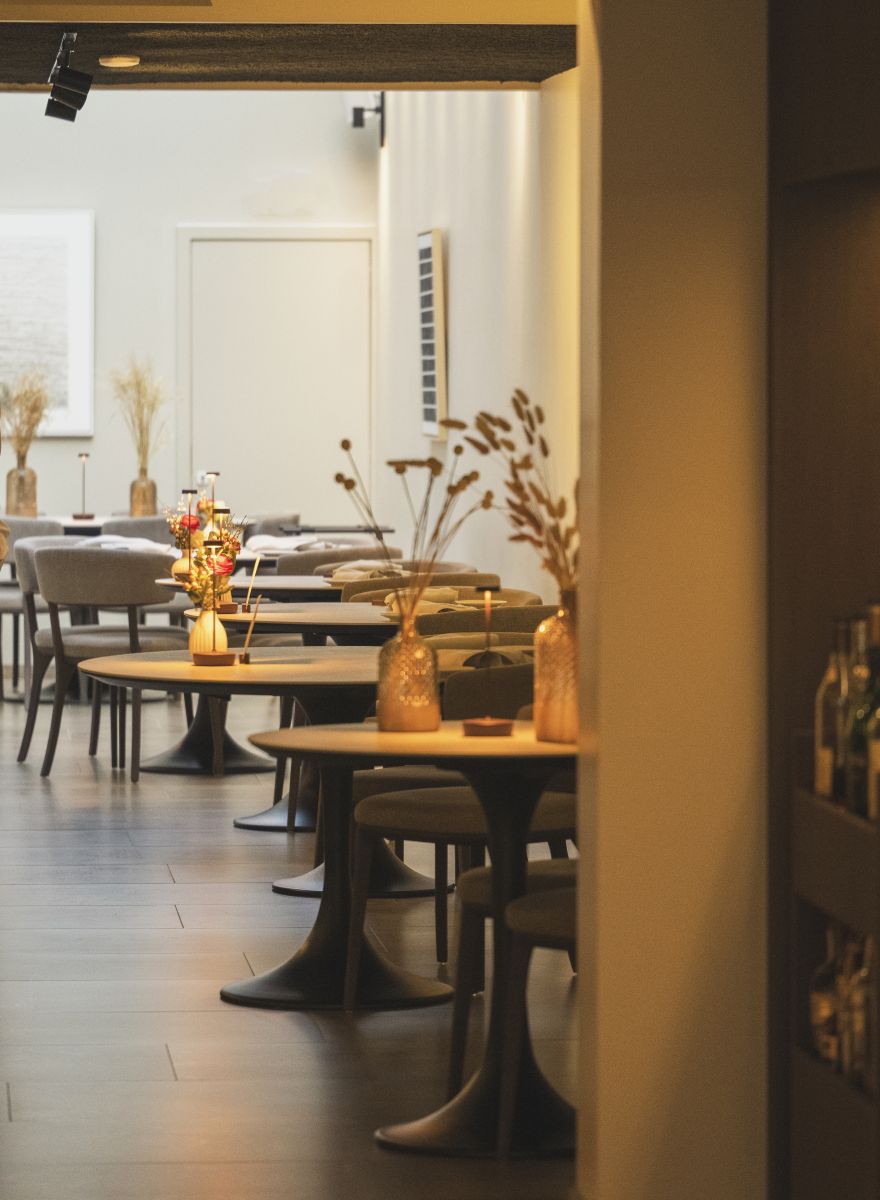
La Source – Lanaken | Ralph Hermans
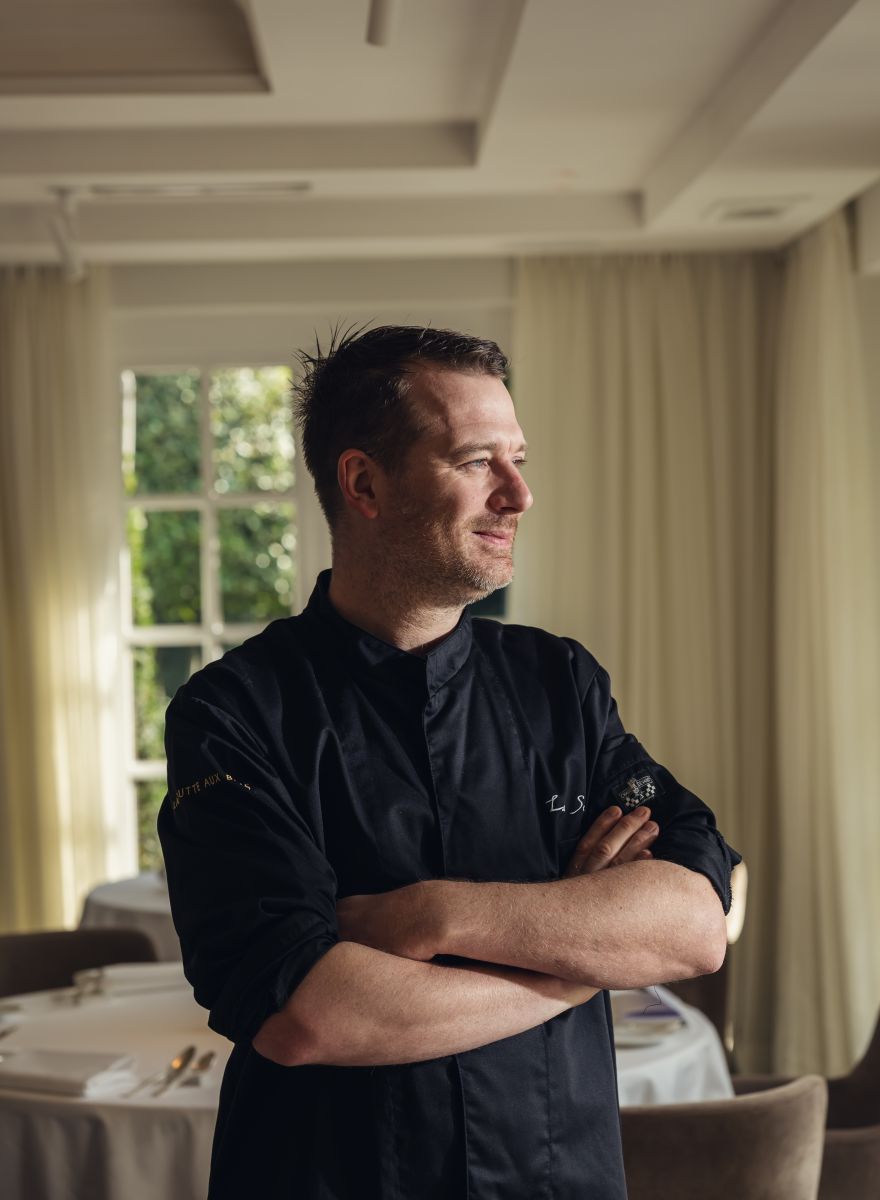
Chef Ralph Hermans leads the kitchen at La Source, bringing a composed style that blends classical elegance with modern creativity. His career took him through top Limburg kitchens such as Kasteel Wittem, Toine Hermsen and De Kristalijn, followed by his own Rantrée. In 2025 he joined La Butte aux Bois, first alongside his predecessor, then as the driving force behind La Source. He cooks with more calm and clarity today, leaving space for renewal while keeping the plate focused on flavour, harmony and detail.
La Source brings a fresh culinary identity to La Butte aux Bois in Lanaken, shaped by classic gastronomy and modern creativity in equal measure. Chef Ralph Hermans cooks with the season and the product as his starting point, keeping flavours pure, clear and precise. Expect refined plates with subtle surprises, built on craft and balance rather than show. Inspired by the surrounding landscape of National Park Hoge Kempen, La Source pairs calm luxury with warm hospitality, placing the guest at the centre from the first welcome to the final course.
Lucy’s Table by Philippe | Philippe Lowette & Sarina Haesevoets
Chef Philippe Lowette built his craft in several respected kitchens, including Saint-Paul, Figaro, Kasteel Rullingen and Taratata, before stepping into his own story. Even after opening his own place, he kept learning, including a stage at The Jane in Antwerp to refine his style further. At Lucy’s Table by Philippe, his cooking is driven by taste and finesse: a French foundation, brightened with southern and Far East influences, and shaped around seasonal quality. It’s ambitious, but never cold.
The service is renowned for its attentive and friendly approach, with a new team bringing a fresh energy to the role. Sarina Haesevoets and the staff ensure guests feel welcome, without being intrusive. This aspect sets Lucy’s Table apart from average restaurants, although occasional delays in the serving of dishes are noticeable.
Lucy’s Table by Philippe is where chef Philippe Lowette and hostess Sarina Haesevoets bring their well-known kitchen and hospitality into the Cosmocafé story in the centre of Sint-Truiden. Lucy’s Table already had its place within the concept, but this collaboration gives it a clear gastronomic identity: refined, relaxed and genuinely welcoming. Together with Quirine Quak, who safeguards the cohesion and atmosphere of Cosmocafé, the experience is built as a whole. Expect seasonal quality, creative plates, and the choice between menu formulas or à la carte.
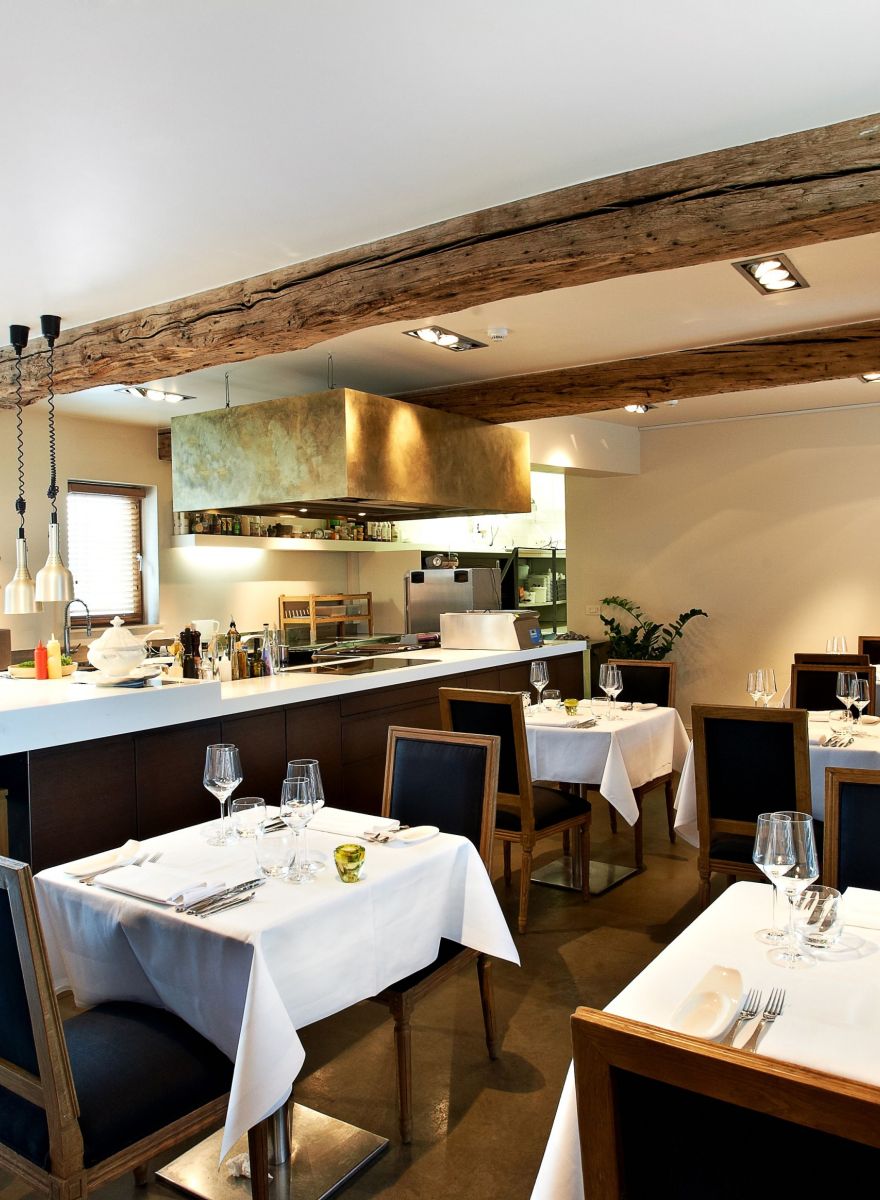
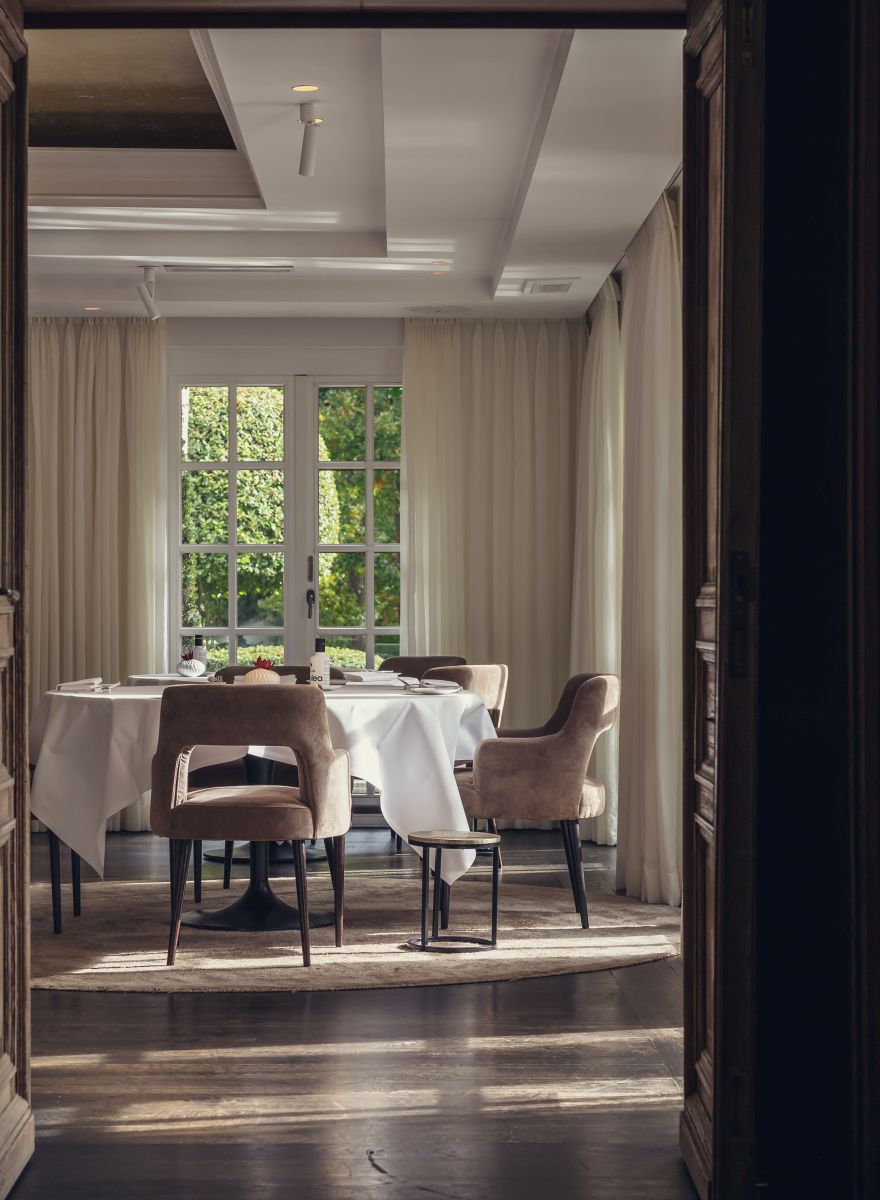
The interior follows a barn-inspired concept, with wood and warm accents creating a homely atmosphere. Guests can choose between a chef’s table for direct interaction with the kitchen or cosy tables for privacy. This layout suits restaurants that combine a relaxed atmosphere with professionalism, although some have noted that it can get a bit noisy on busy evenings.
The décor shows attention to detail, with chairs that complement the ceiling pattern and a setting that invites you to linger over your meal. This makes Lucy’s Table ideal for families, couples or groups of friends looking to spend an evening enjoying good food and conversation.
Guests experience a symbiosis between the kitchen and the dining room, supported by Quirine who maintains the Cosmocafé atmosphere. Professional timing between courses and personalised recommendations make all the difference, particularly for groups. Criticism is sometimes directed at minor flaws, such as a main course that isn’t perfectly balanced.
Philippe Lowette’s signature style shines through in dishes that are both refined and creative. Local produce is given a cosmopolitan twist, with Northern Spanish and French influences enhancing the flavours. Diners praise the presentation and freshness, with menus featuring a limited selection of dishes prepared to order.
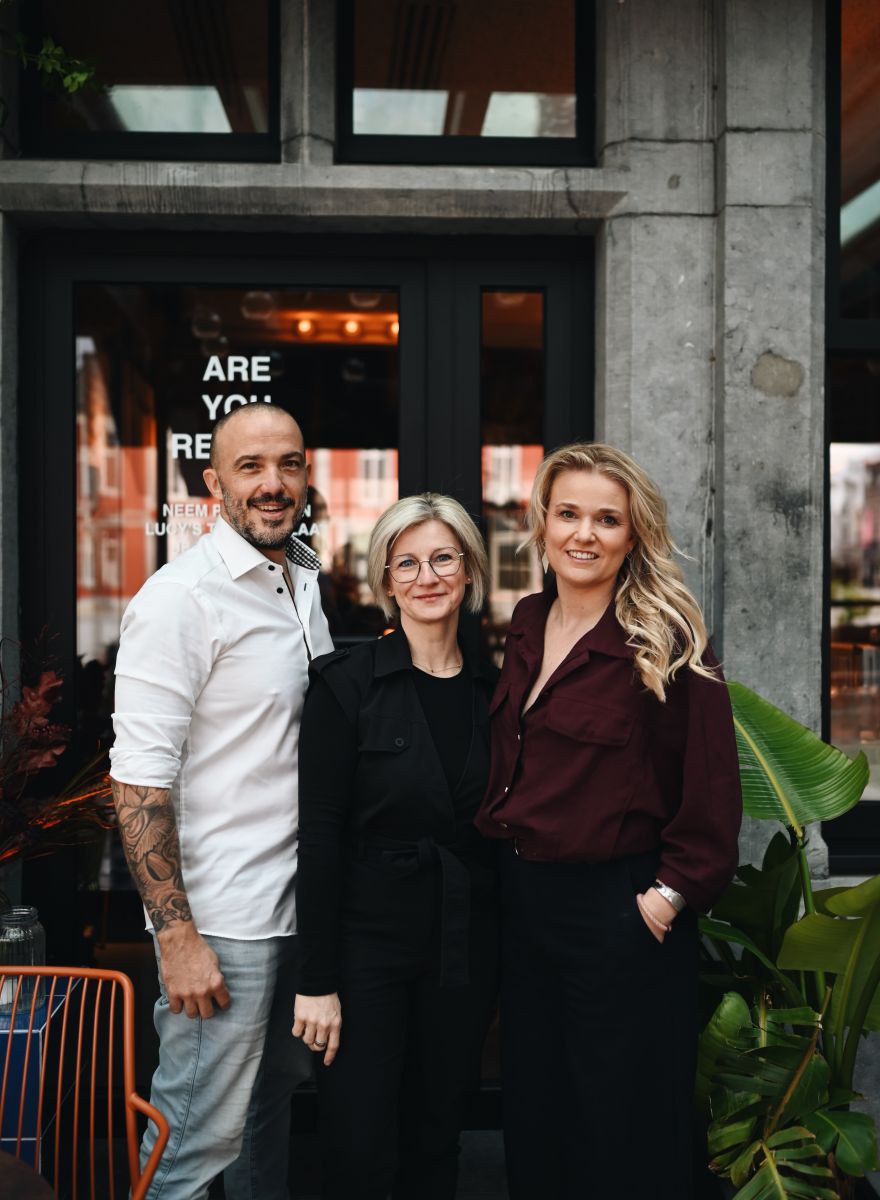
Stad 10 – Hamont | Bert Brouwers
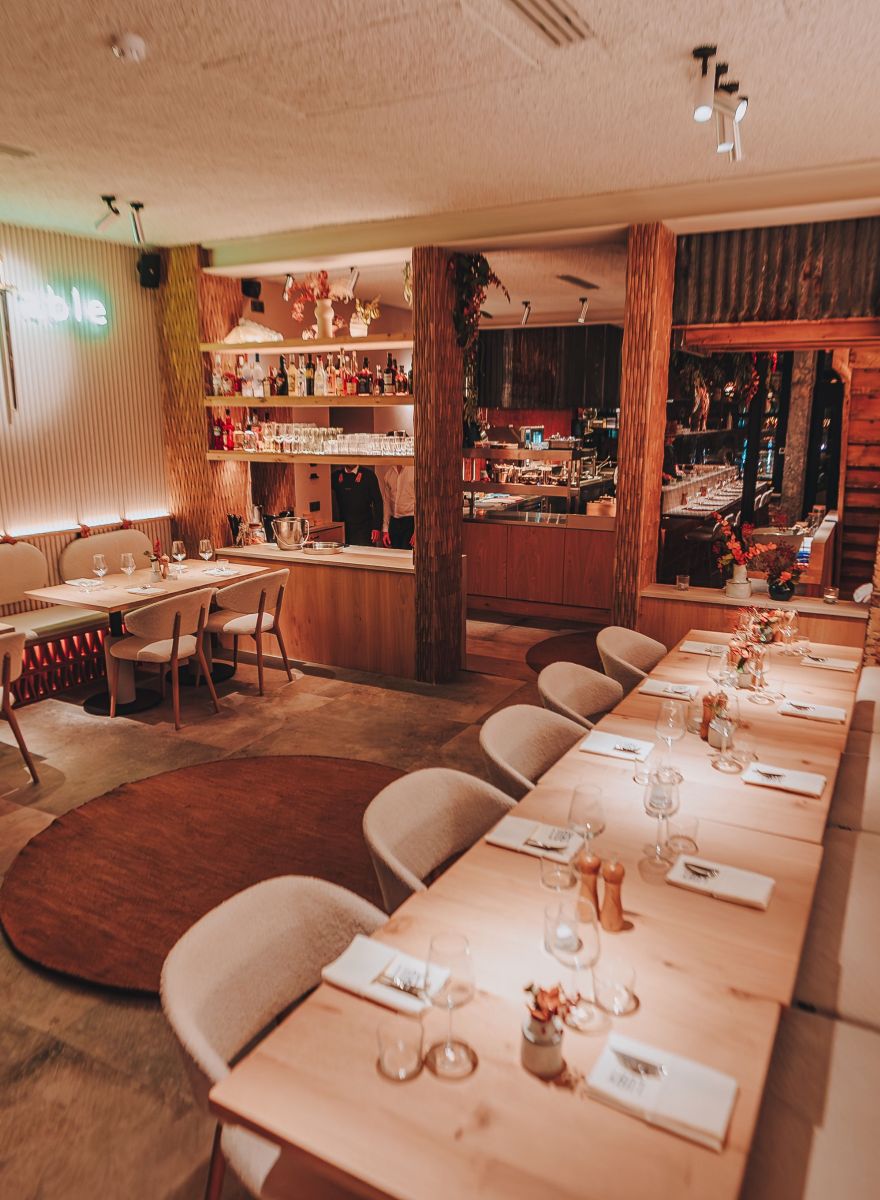
Chef Bert Brouwers honed his craft at renowned restaurants like Innesto and La Source before bringing his passion for innovative gastronomy to Stad 10. Combining French traditions with global influences, Bert’s menus are a reflection of his culinary expertise and dedication to fresh, vibrant flavours.
In the heart of Hamont, Stad 10 is where timeless French gastronomy meets bold international creativity. Under the guidance of Chef Bert Brouwers, this intimate restaurant offers an experience that pairs innovative cuisine with a welcoming atmosphere. With elegant décor, attentive hospitality, and menus tailored for every occasion, Stad 10 invites you to savour meals that linger in memory long after the last bite.
“Cooking is about telling a story through flavour—blending tradition with creativity to make each dish a personal journey.”
Vous lé Vous – Wimmertingen (Hasselt) | Giovani Oosters – Annelies Santens – Membre d’Honneur
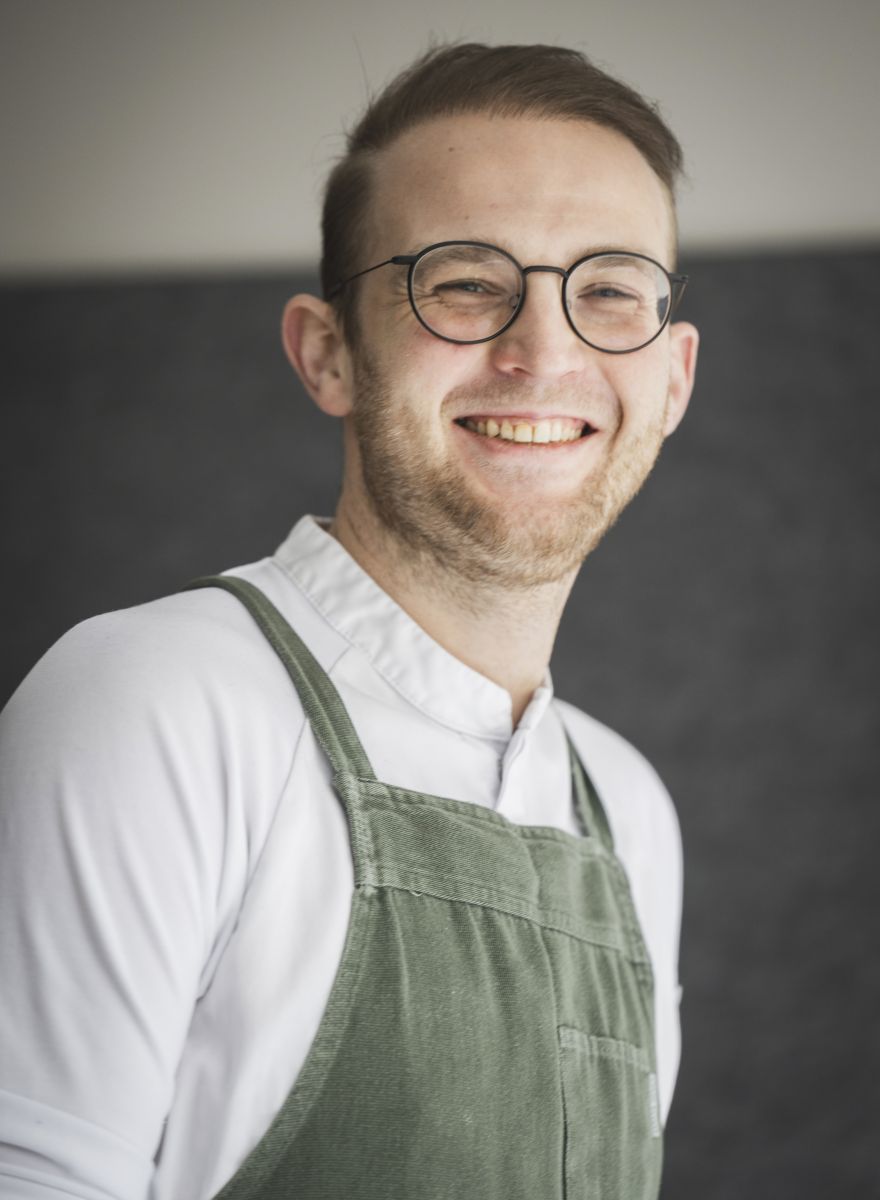
Giovani Oosters is not just any chef. He learnt the tricks of the trade in multi-Michelin-starred restaurants such as Hof van Cleve (Kruishoutem) and Clos Saint-Denis (Kortessem). After appearing on the Belgian programme ‘Expeditie Robinson’, he quickly became a celebrity. Giovanni presented various cooking programmes on regional channels, cooked on the national entertainment programme ‘1000 zonnen’, and eventually got his own cooking programme, ‘Groenten van Gio’. As well as running his own hotel-restaurant, Vous lé Vous in Hasselt, the young chef is always busy with another culinary project, a cooking workshop, or at his brasserie in the heart of Hasselt: Het Smaaksalon.
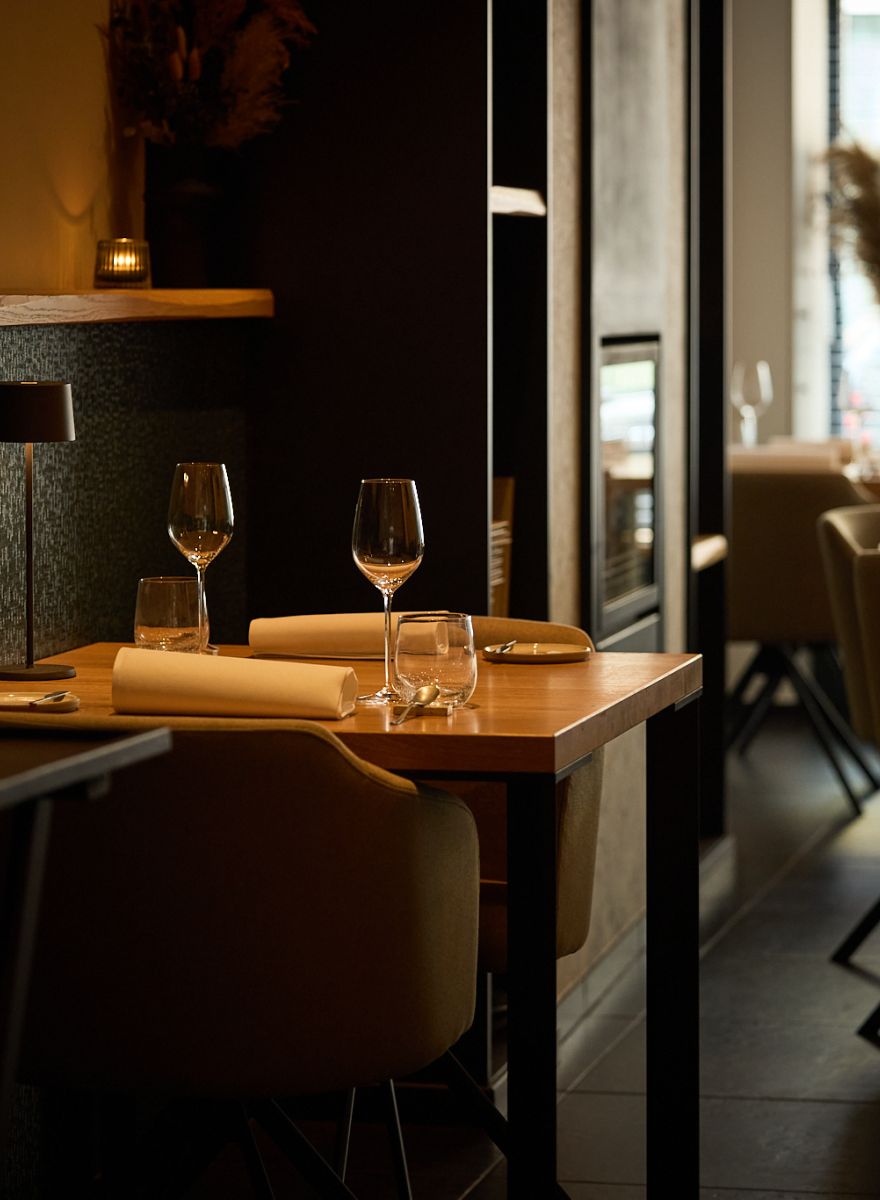
Culinary delights and a boutique hotel > Annelies and Giovani warmly welcome you to Vous Lé Vous. Vous Lé Vous combines rural tranquillity with culinary delights, helping you escape the hustle and bustle of everyday life. Whether it’s a delightful dinner with friends or family, a surprise weekend away with your partner, or a productive business lunch with a client, Vous Lé Vous is at your service. As a native of Limburg, Giovani has a particular fondness for using local produce. He transforms these Belgian and Limburg delicacies into healthy seasonal dishes with an eye for detail. Our spacious rooms and suites are housed in a restored farmhouse dating from 1900. The rooms are equipped with every modern comfort and feature a wonderful bed to drift off to sleep in…. Most rooms feature a private terrace and floor-to-ceiling windows. The superior rooms have an outdoor terrace where you can store your bicycles if required. These also have a charging point. In the bathroom, you feel as though you are standing outdoors in nature. With underfloor heating and humidity control in the room, nothing can stop you from enjoying a perfect night’s sleep. The Vous lé Vous sensory garden features a swimming pond and a sauna, which are exclusively accessible to guests of our bed and breakfast.