Destination Bavaria, Germany
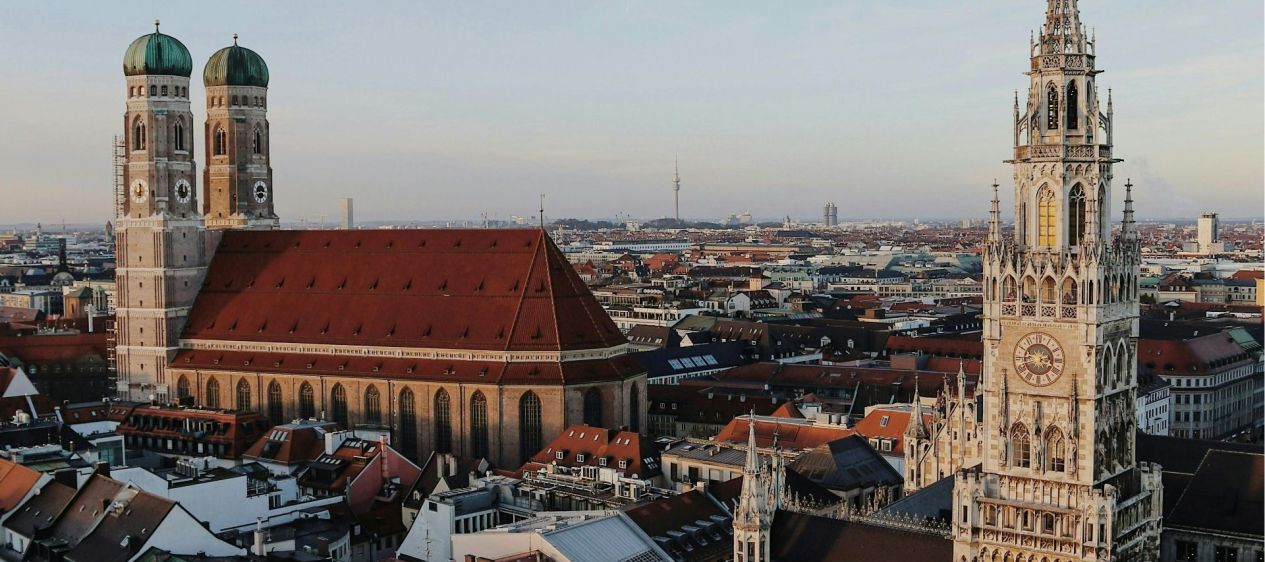
Bavaria is Germany’s largest state and one of its strongest symbols. From half-timbered Franconian towns to the first high peaks of the Alps, it brings together beer culture, storybook castles, glittering lakes and some of the country’s most ambitious kitchens. It is a place where you can move in a single day from a medieval old town to a royal palace and end with a tasting menu in a country inn.
What gives Bavaria its character: cities, castles and Alpine landscapes
CITY LIFE AND STORYBOOK TOWNS
Bavaria runs on cities that balance history and modern life.
Munich, the capital, is prosperous and elegant, with grand boulevards, important museums and a compact old town around Marienplatz. The Residenz palace, the Pinakothek museums and the Viktualienmarkt food market show different sides of the city, while beer halls and shady beer gardens keep its social heart very local.
Further north, Nuremberg and Regensburg tell the story of trade and empire. Nuremberg’s imperial castle, old town walls and market square recall its role as a medieval power. Regensburg on the Danube combines UNESCO listed medieval streets with a lively student atmosphere around its stone bridge and cathedral.
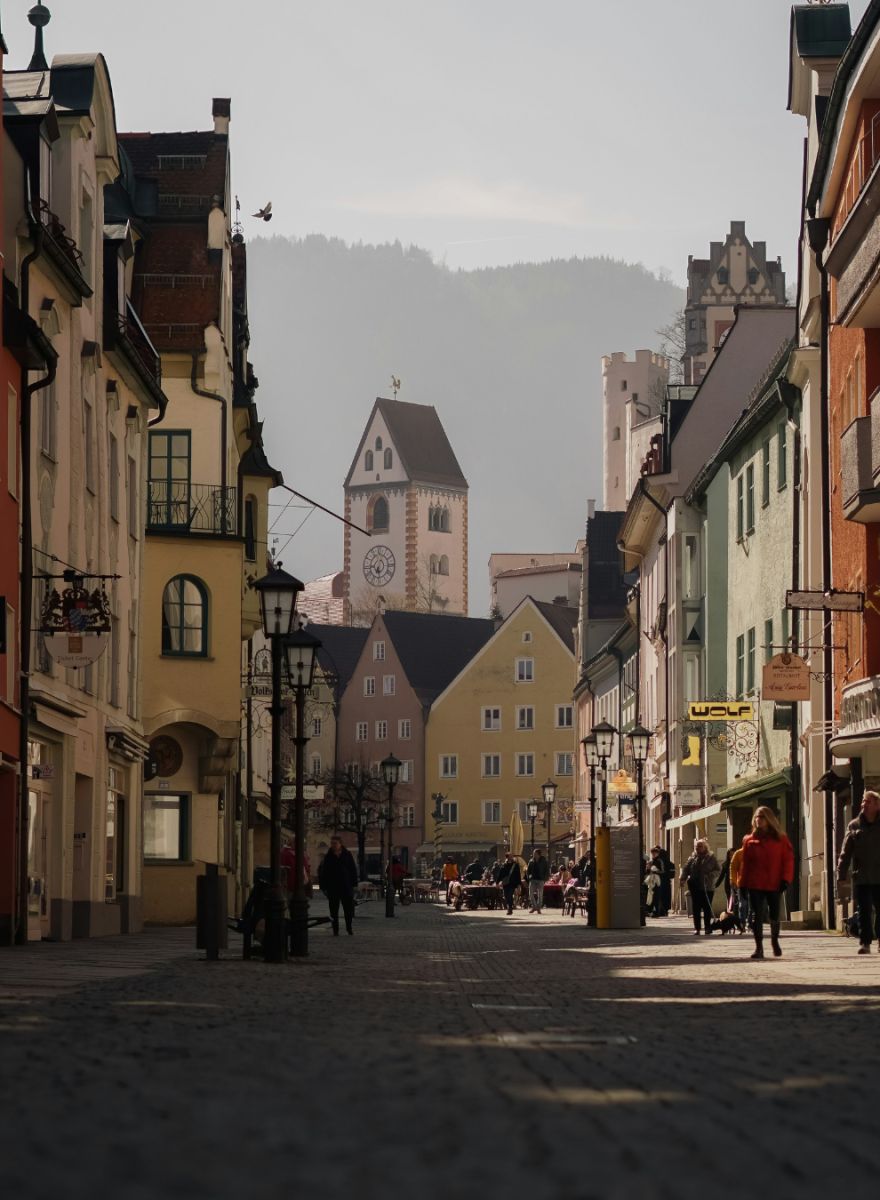
Smaller Franconian towns add the postcard details. Würzburg pairs vineyards and the baroque Residence palace with wine taverns. Rothenburg ob der Tauber is one of Germany’s best preserved walled towns, with cobbled streets, timbered houses and night watchman tours that bring the past to life.
CASTLES AND ROYAL HERITAGE
Bavaria is closely linked to royal architecture.
In Munich, the Residenz and Nymphenburg Palace highlight different moments in Bavarian court life, from city politics to summer retreats. Along the Main, Würzburg Residence is another landmark of baroque architecture, set among formal gardens and vineyards.
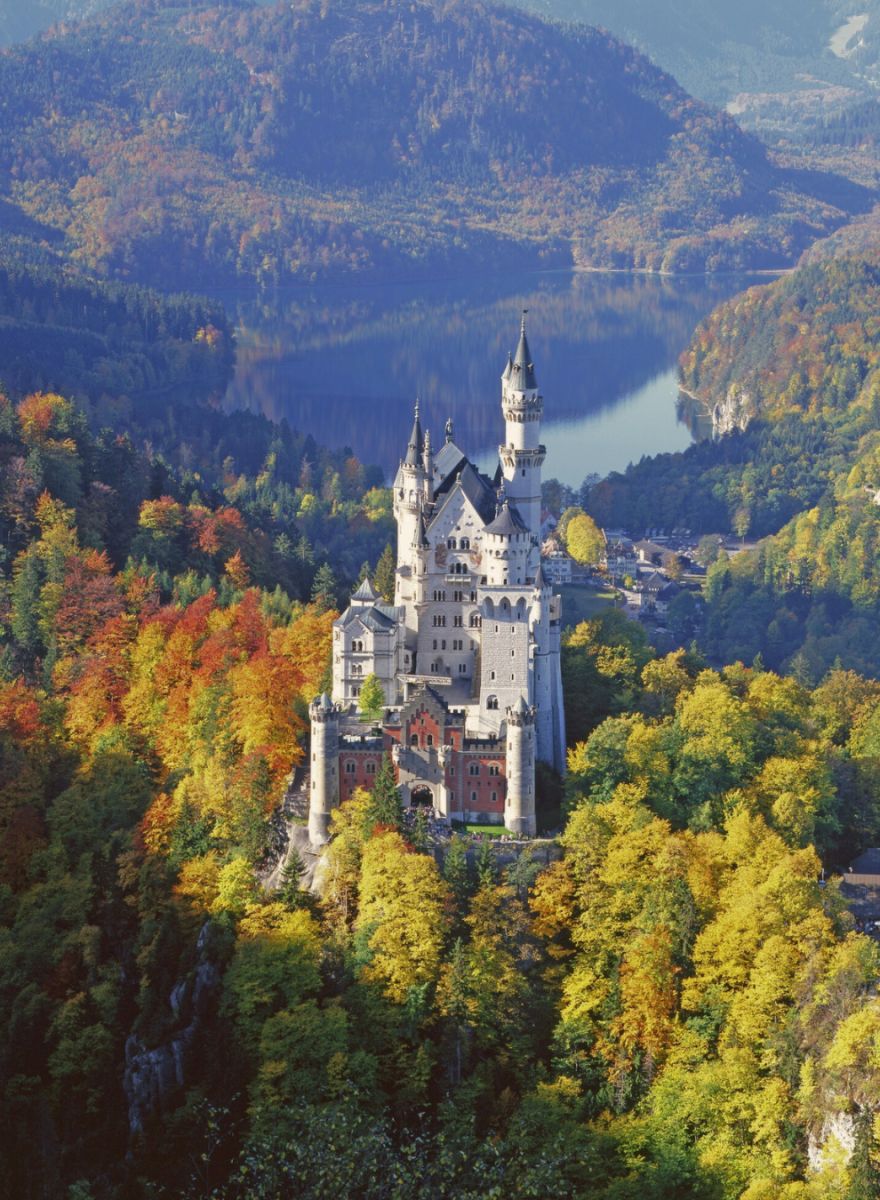
In the foothills of the Alps, King Ludwig II created his fantasy palaces. Neuschwanstein, high above Hohenschwangau and the Alpsee, is the most famous, a white fairy tale silhouette that recently joined a UNESCO World Heritage ensemble of Ludwig’s residences. Nearby castles and hunting lodges complete a circuit that shows how royal Bavaria imagined itself.
INTO THE ALPS
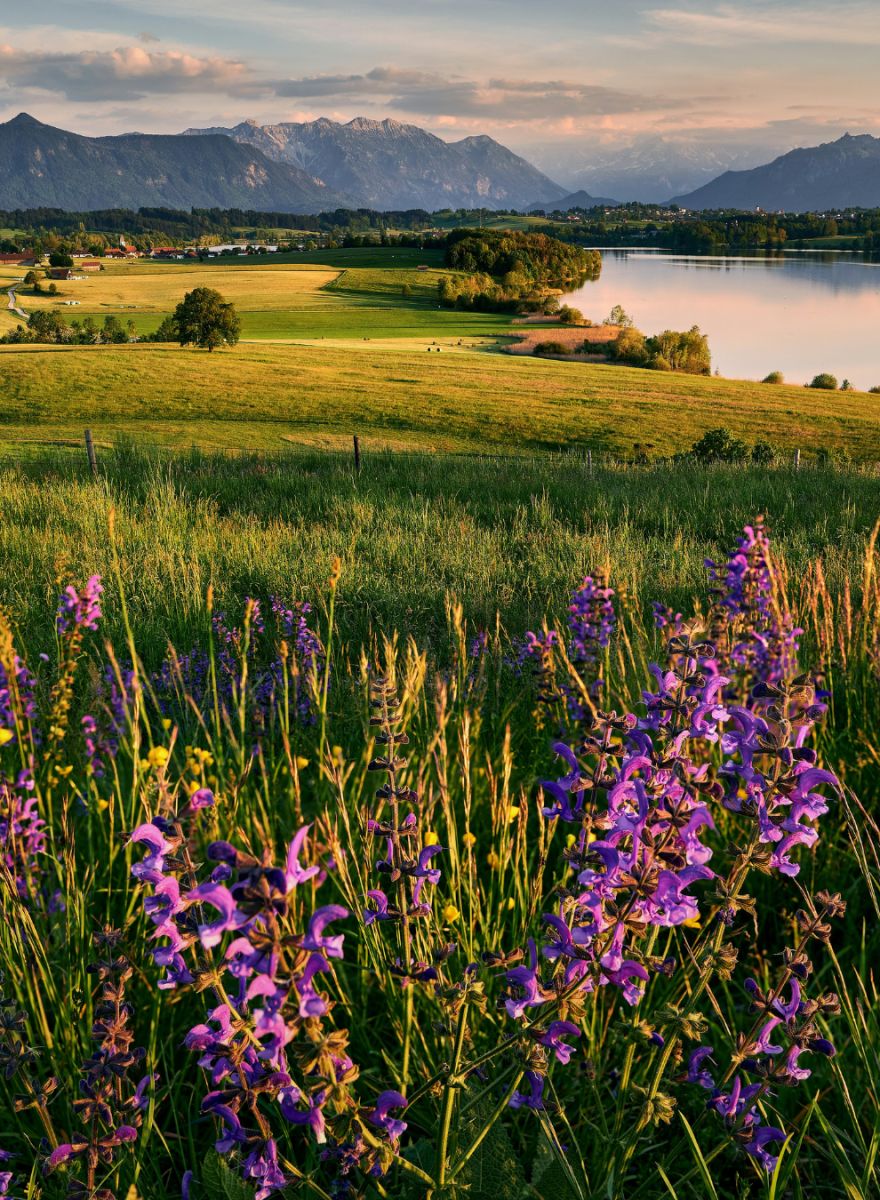
Toward the south, the land rises into the Bavarian Alps. Around Garmisch-Partenkirchen and the Allgäu, snow capped ridges and green pastures frame traditional villages and small resorts. Cable cars and mountain railways carry visitors up to viewpoints and hiking trails, including the route to Germany’s highest peak, the Zugspitze.
In summer, the Alps are about walking, cycling and quiet valley roads with cows in the meadows and chapel towers on distant hillsides. In winter, the same landscapes turn into ski and snowboard areas, with winter hiking routes and cosy inns for long evenings. The mix of active days and relaxed evenings is one of the region’s main attractions.
LAKES, RIVERS AND SLOWER DAYS
Between the cities and the Alps lie some of Germany’s most loved lakes and river valleys.
South of Munich, Tegernsee is framed by low mountains and traditional villages such as Rottach Egern. Lakeside promenades, boat trips and easy walks make it a classic weekend escape for locals. Further east, Chiemsee, sometimes called the Bavarian Sea, combines island palaces, sailing and wide views.
Near Berchtesgaden, Königssee is one of Bavaria’s most striking lakes, enclosed by steep rock walls and emerald water. Electric boats glide silently to the church of St Bartholomä, and trails lead deeper into the national park.
In the north, the Main valley and the Danube offer a different kind of water landscape, with vineyards, river promenades and cycle paths linking historic towns. Together, these lakes and rivers provide the quieter, slower side of Bavaria that balances its cities and mountains.

Food culture
Bavarian food is hearty, regional and rooted in comfort, but it is also evolving fast.
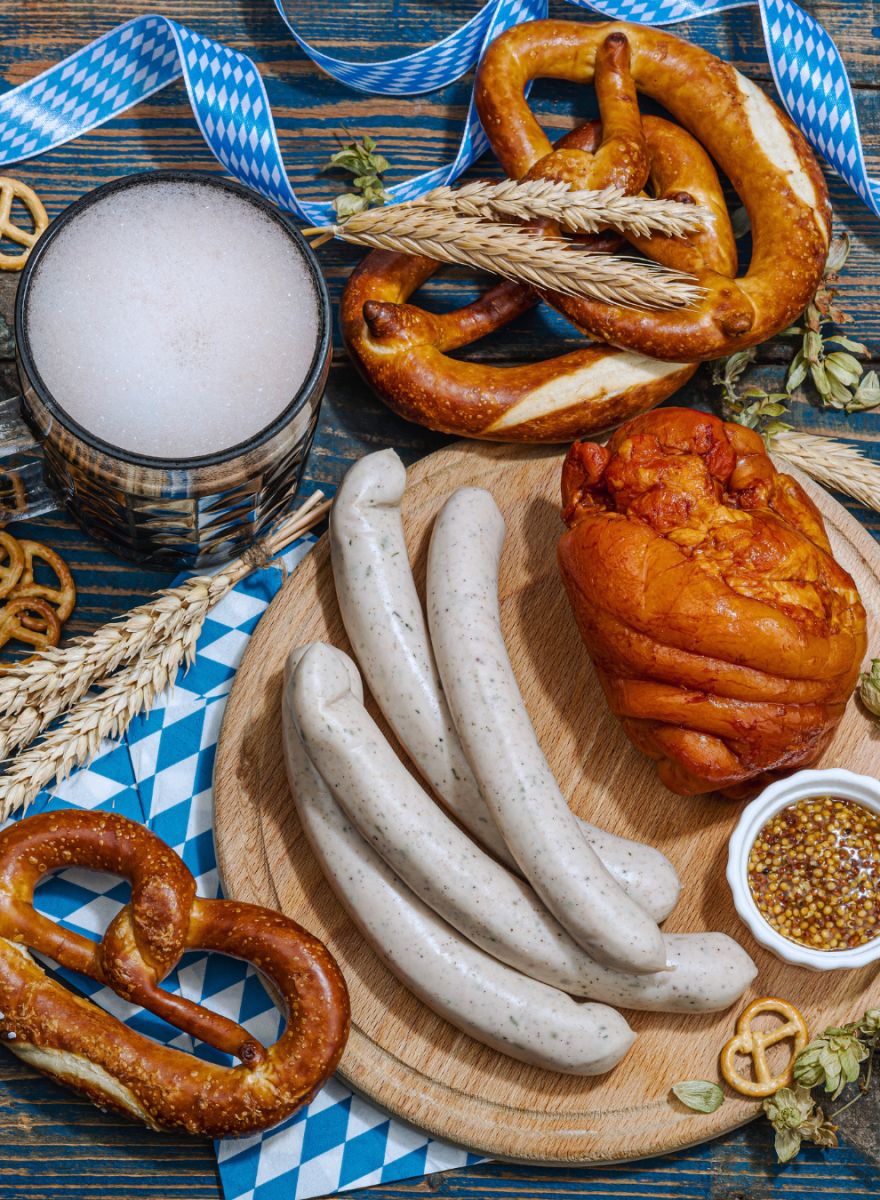
In Munich, many days still begin with Weisswurst and sweet mustard, eaten before noon with a soft pretzel and wheat beer. Roast pork knuckle with crackling, duck with dumplings, Nuremberg sausages, Leberkäse in a roll and sweet Dampfnudeln are all part of the classic repertoire.
Beer gardens are a way of life. Long wooden tables under chestnut trees, a self-service counter with roast chicken, sausages and potato salad, and often the option to bring your own picnic are typical. Locals linger for hours over a litre of lager, a plate of Obatzda beer cheese with radishes and a basket of fresh pretzels.
In the countryside, the cooking shifts with the landscape:
cheese and butter from the Allgäu
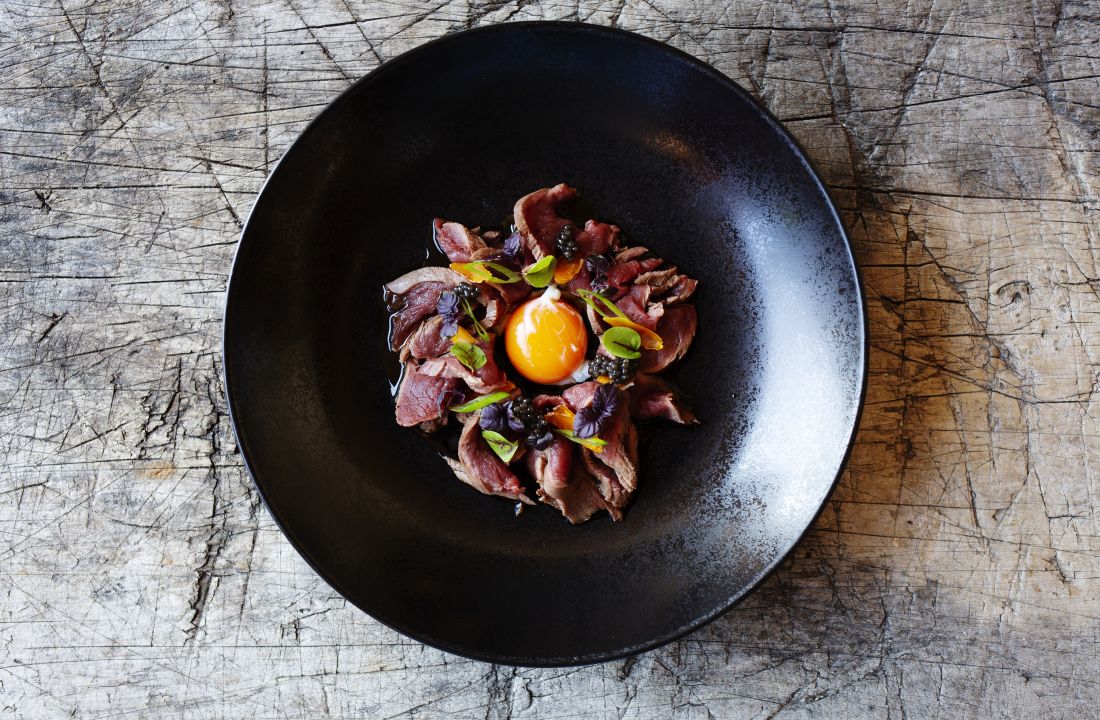
mushrooms and game from the Bavarian Forest
river fish and Franconian asparagus in season
cool climate wines from the Main valley and Franconian vineyards
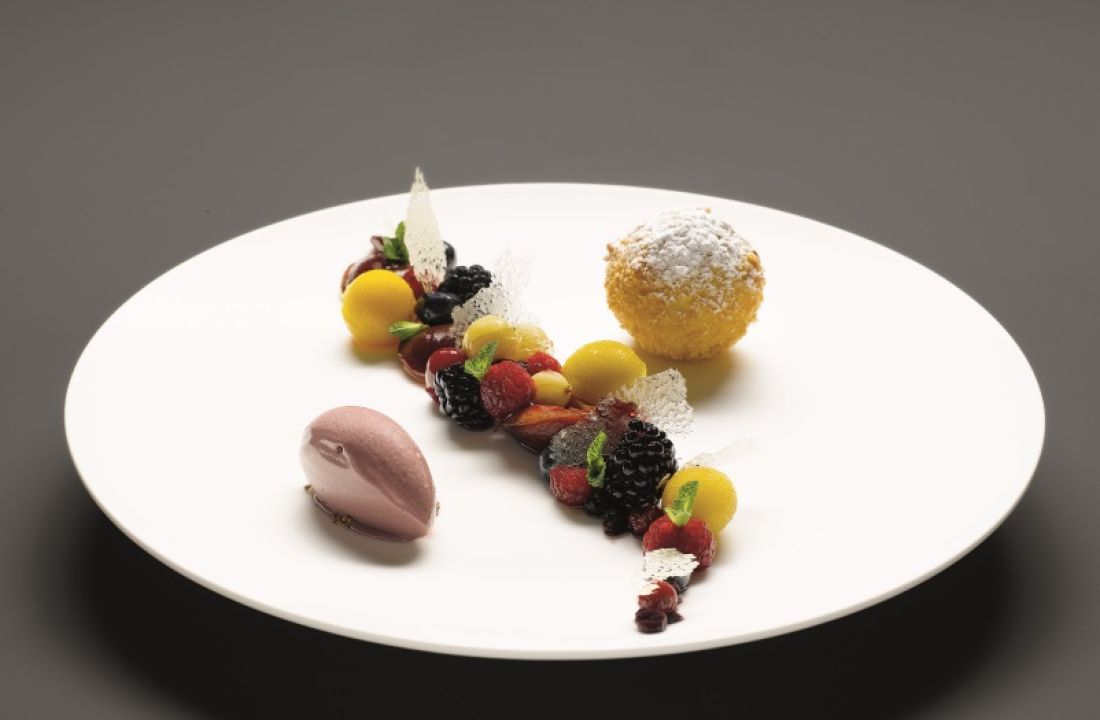
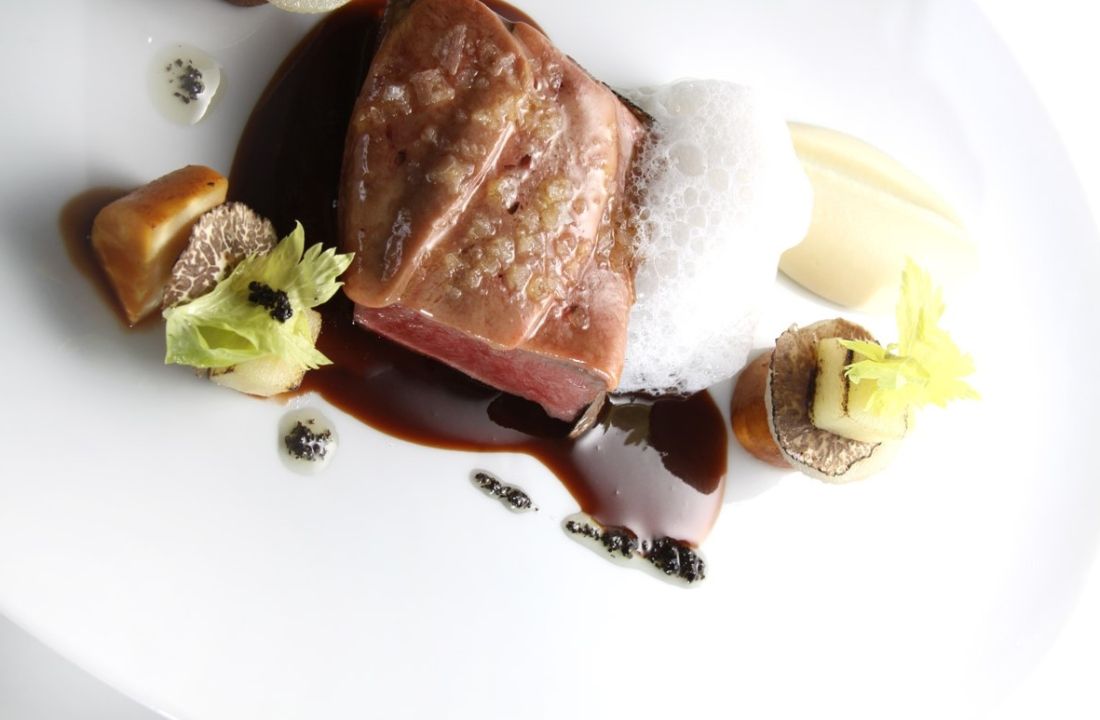
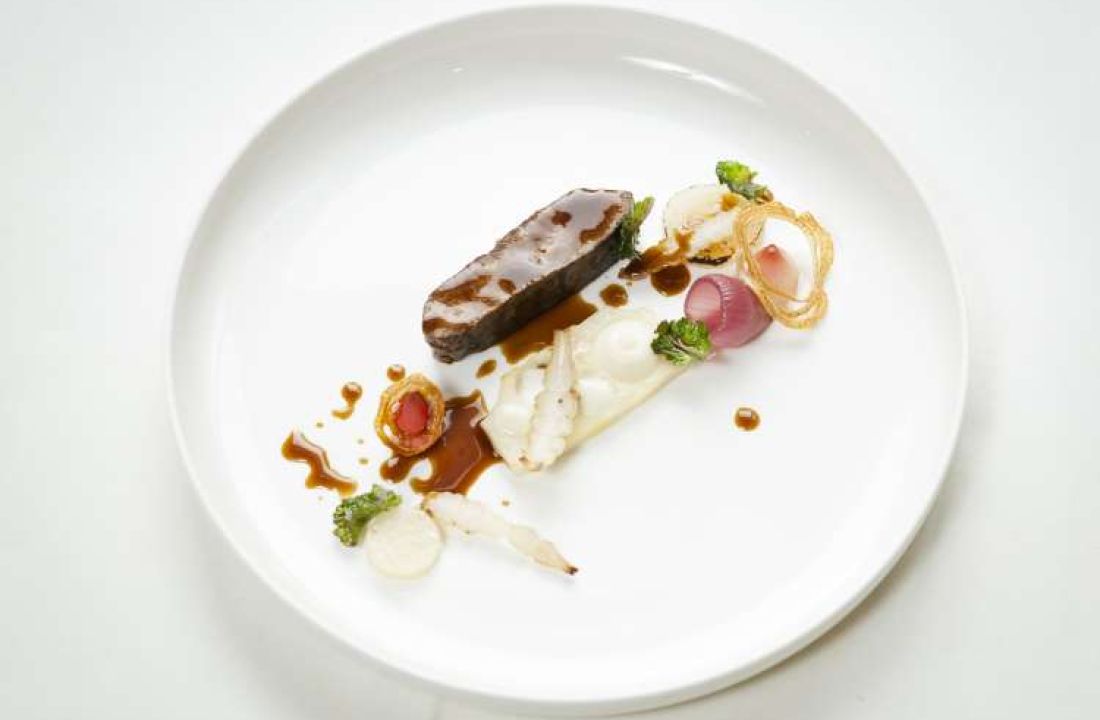
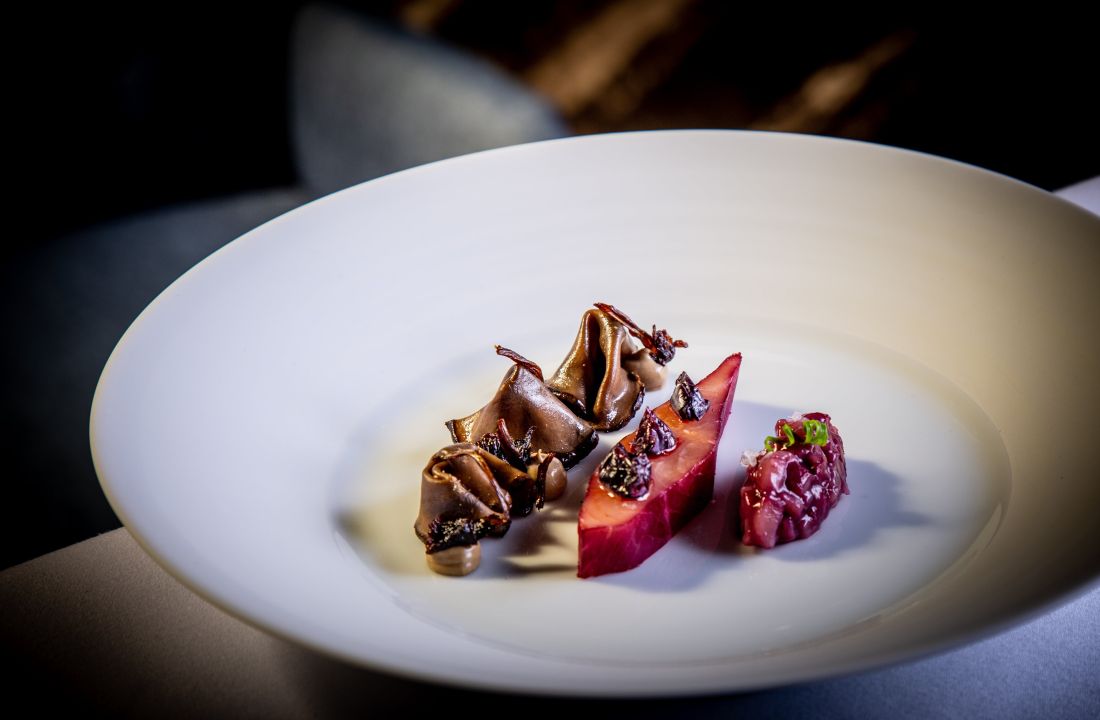
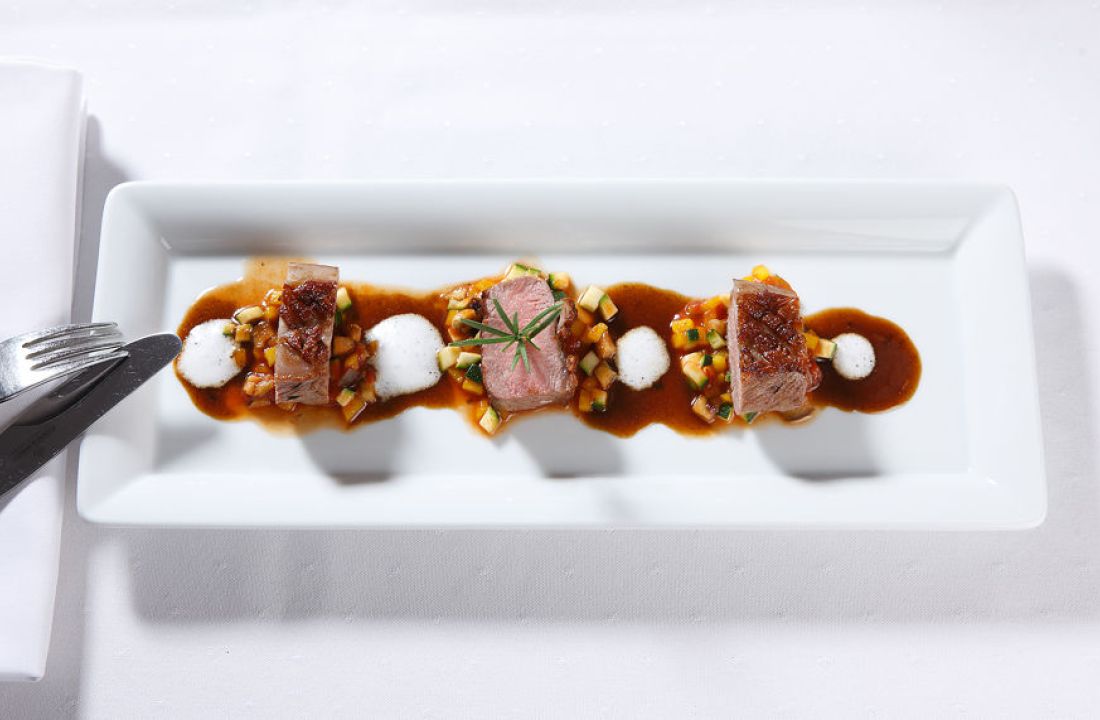
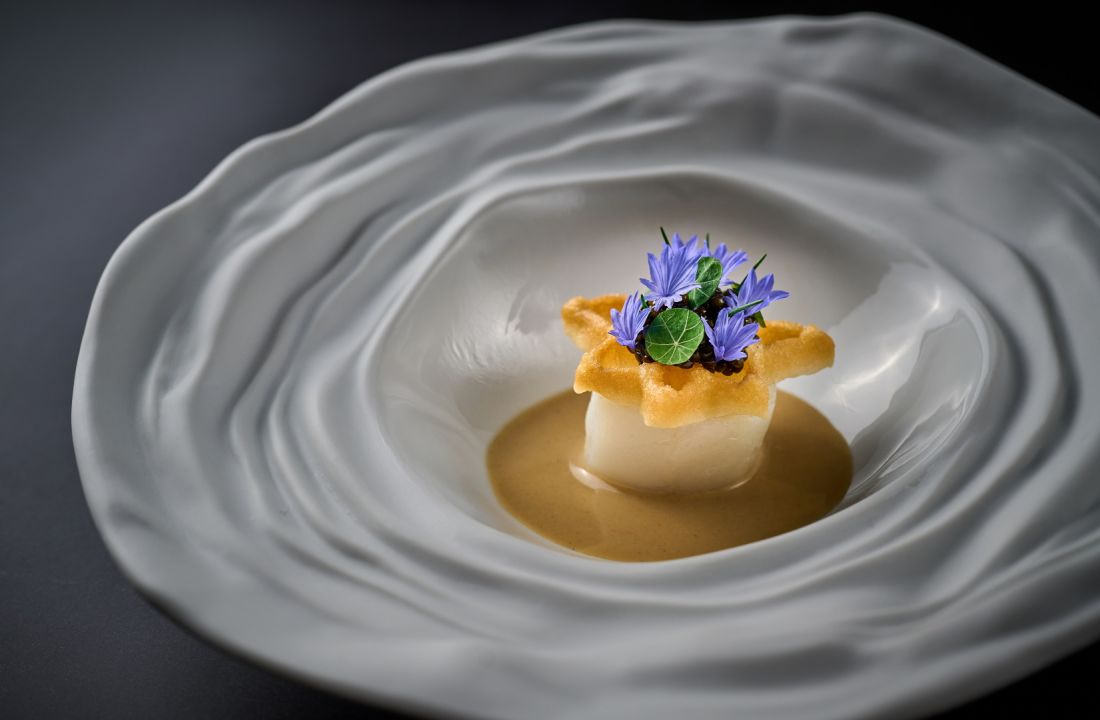
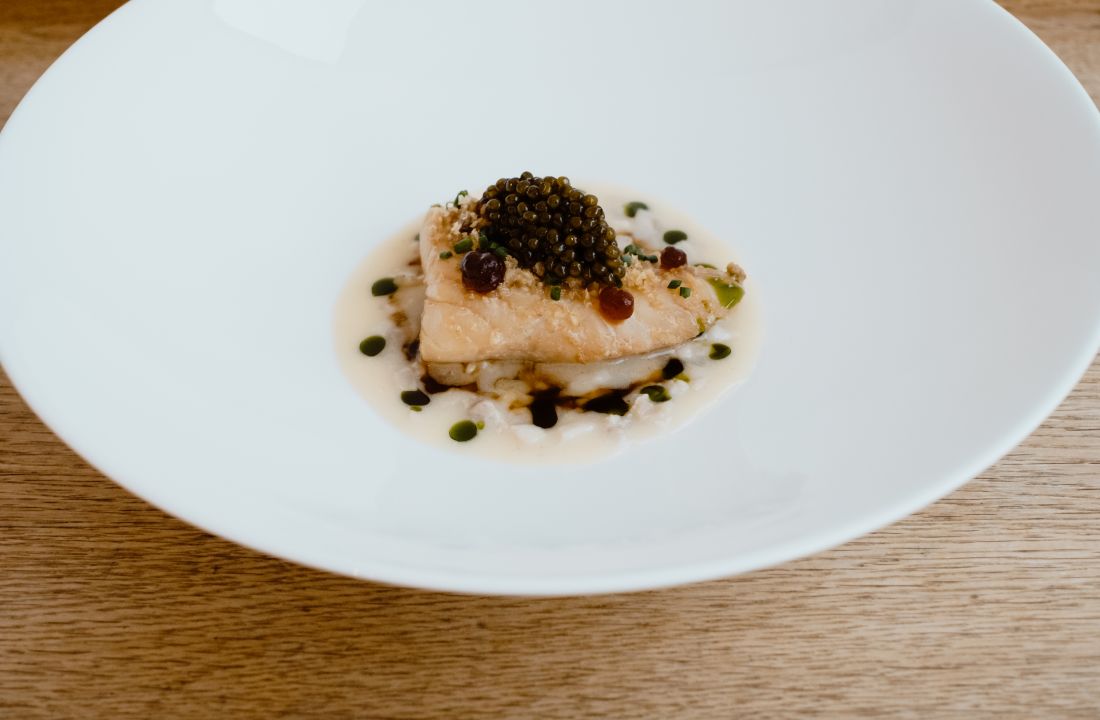
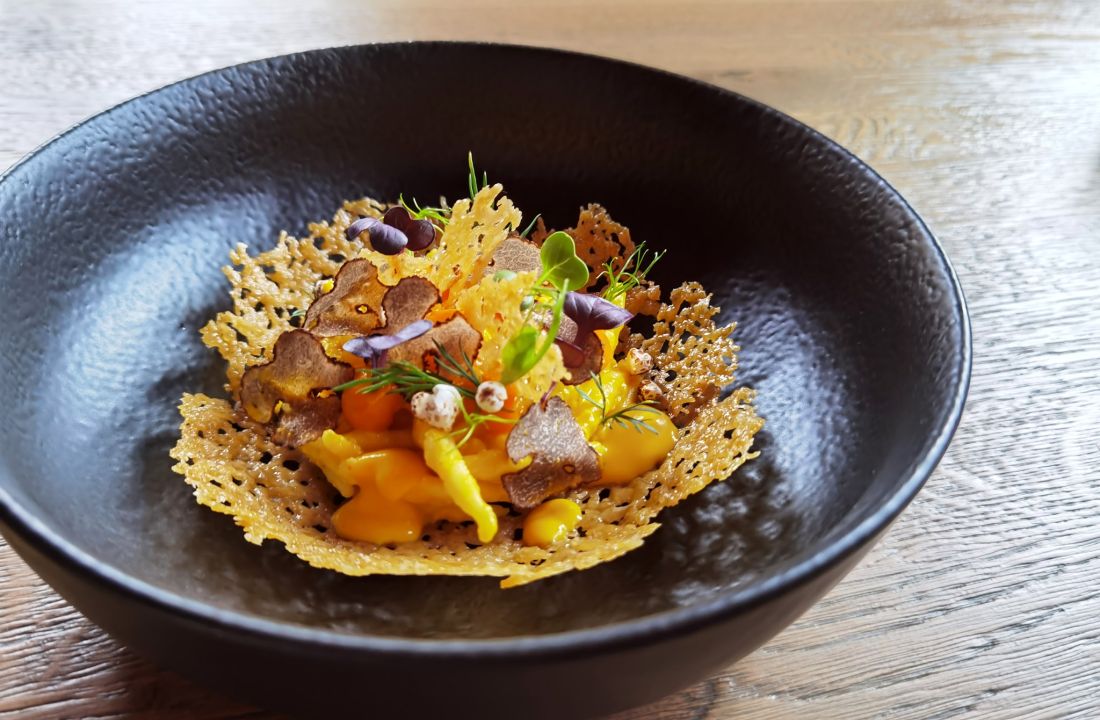
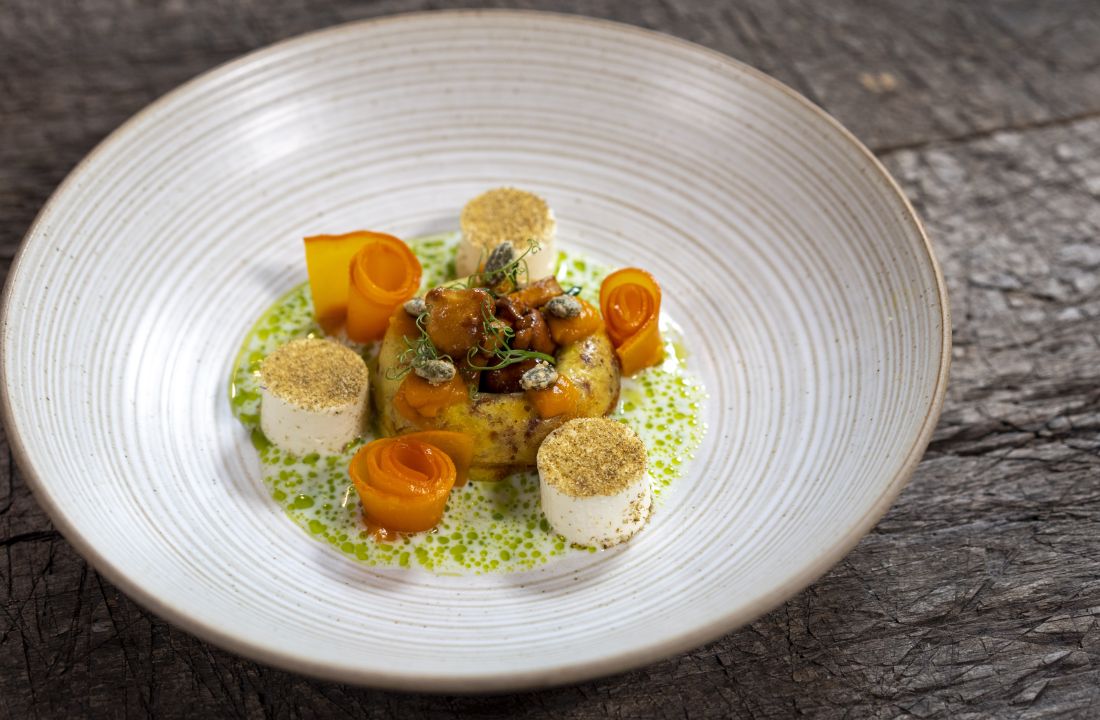
Modern Bavarian chefs work with these same products but lighter sauces, more vegetable focused courses and international techniques. The result is a contemporary cuisine that keeps the soul of Bavarian dishes while fitting today’s tastes.
Festivals and Bavarian moments
Bavaria’s year is structured by festivals. Some are world famous, others are small village affairs, but together they show how closely local life is tied to the seasons.
OKTOBERFEST AND MUNICH’S BEER CULTURE
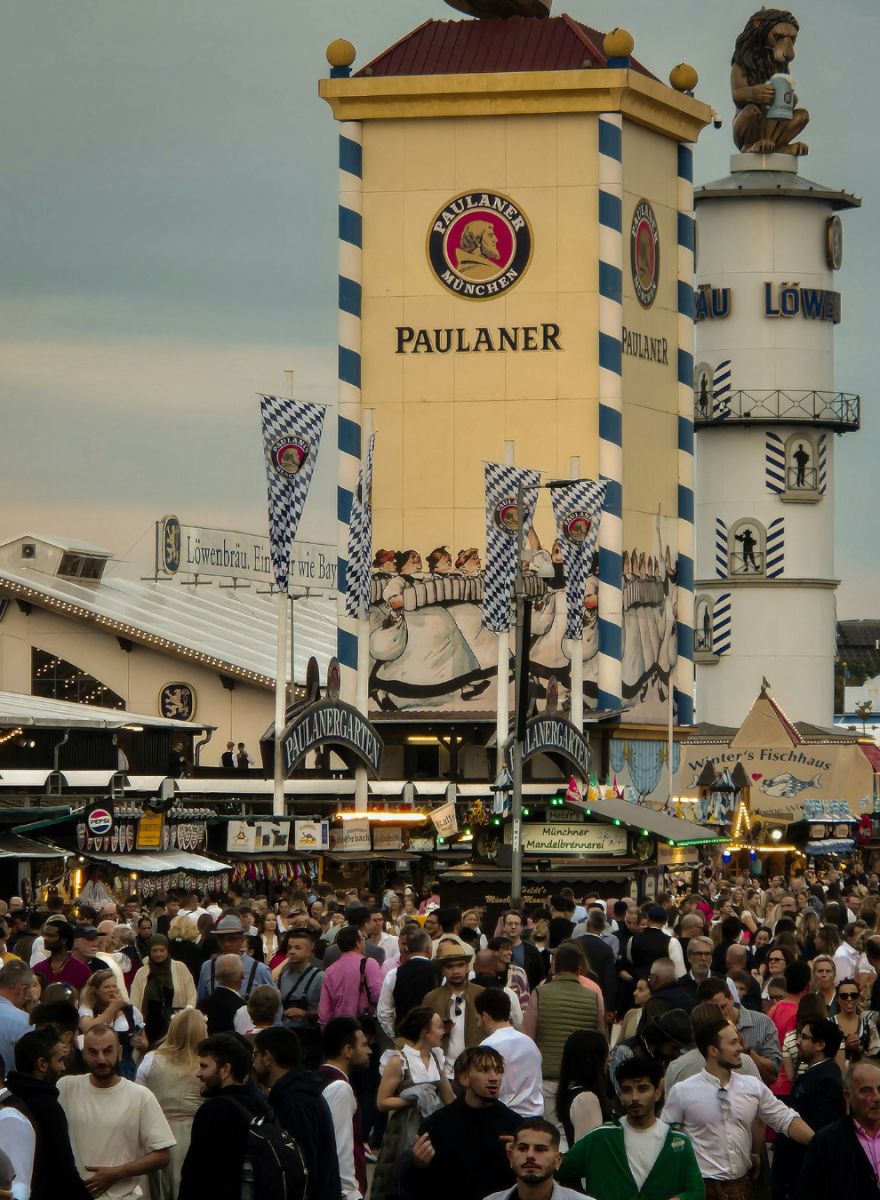
Oktoberfest in Munich is the most visible moment. For just over two weeks in early autumn, large beer tents, fairground rides, brass bands and traditional dress turn the Theresienwiese into a temporary city of its own. It is busy and international, but still anchored in local brewing and customs.
Outside these weeks, Munich keeps a quieter rhythm of events. The strong beer season in early spring and smaller Volksfeste in different districts offer a more local way to experience similar music and atmosphere on a manageable scale.
BEER, WINE AND VILLAGE FAIRS
Across Bavaria, almost every region has its own festival circuit. In Franconia, wine festivals fill town squares with long tables and glasses of local wine. Elsewhere, village beer festivals and Kirchweih fairs mark church dedications or harvest dates with brass bands, stalls and family outings.
These events are often the easiest way to see everyday Bavaria at play, away from the crowds of the big cities.
WINTER LIGHTS AND CHRISTMAS MARKETS
From late November, Christmas markets add another highlight. Nuremberg’s Christkindlesmarkt is the best known, but markets in Regensburg, Munich and smaller towns create a similar mix of wooden stalls, crafts, mulled wine and lights in historic squares.
JRE chefs in Bavaria
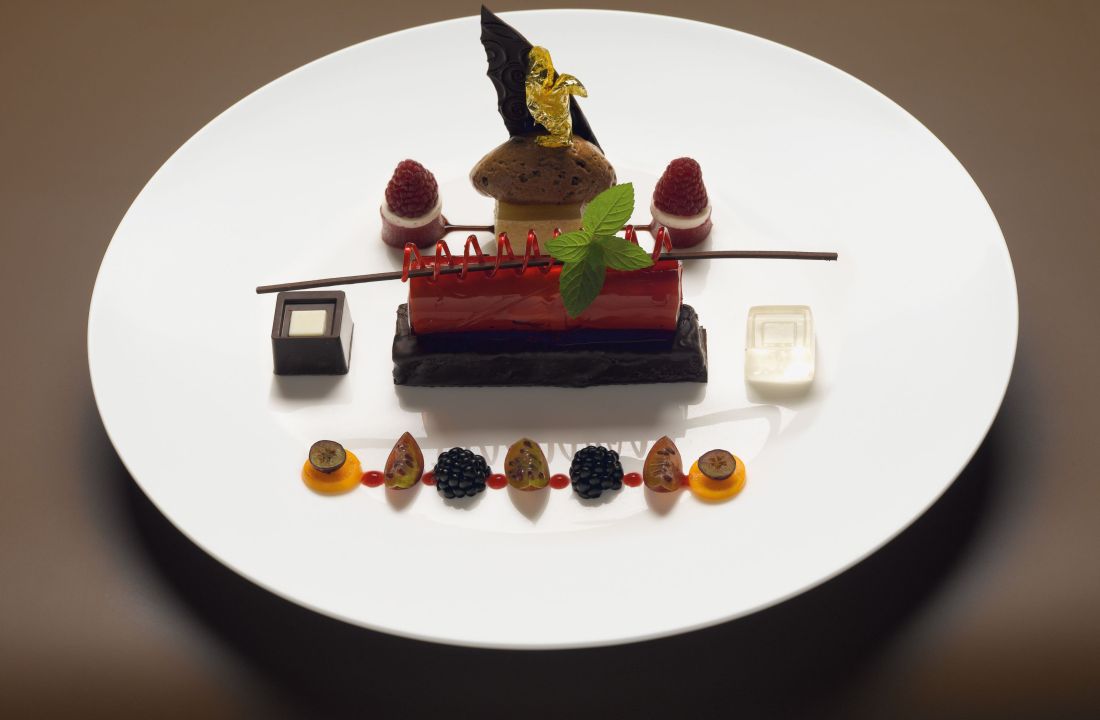
For food loving travellers, JRE chefs provide a curated way to experience Bavarian cuisine at a high level across the state. Their restaurants form a route that connects landscapes and regional products with contemporary fine dining.
In Franconia and Swabia in the north, houses such as Auberge de Temple – Helbigs Gasthaus near Aschaffenburg, Restaurant Philipp in Sommerhausen, Villa Mittermeier in Rothenburg ob der Tauber, Meyers Keller in Nördlingen, Landgasthof Löwen in Oberopfingen and Restaurant AURA at Posthotel Alexander Herrmann in Wirsberg reinterpret regional cooking with modern techniques and strong links to local producers.
In the Upper Palatinate and the Bavarian Forest, Cheval Blanc im Landhotel Weißes Roß in Illschwang, Obendorfers Eisvogel im Birkenhof in Neunburg vorm Wald, Storstad in Regensburg and Gasthaus Jakob near Perasdorf show different faces of the region, from expressive country cuisine to Nordic and Asian influenced city dining and terroir driven forest cooking.
In Upper Bavaria and the Alpine foothills, Christians Restaurant in Kirchdorf, Huberwirt in Pleiskirchen and Das Marktrestaurant in Mittenwald offer everything from classically grounded menus to what chef Alexander Huber calls Bavarian avant garde and refined Alpine inn cuisine.
In the Allgäu and the high Alps, Ess Atelier Strauss in Oberstdorf, PAVO im Boutique-Hotel Blaue Burg in Pfronten and Schlossanger Alp above the valley combine mountain settings with seasonal, produce focused menus and warm hospitality.
Taken together, these JRE restaurants show what Bavarian cuisine looks like today and connect you directly to the landscapes, producers and traditions that shape it. They make it easy to plan a journey where a morning at the lake, an afternoon at a royal castle and an evening at a Michelin level country inn all belong to the same day.