JRE x Parmigiano Reggiano: The 2025 Casello d’Oro winners, interpreted by JRE-Chefs
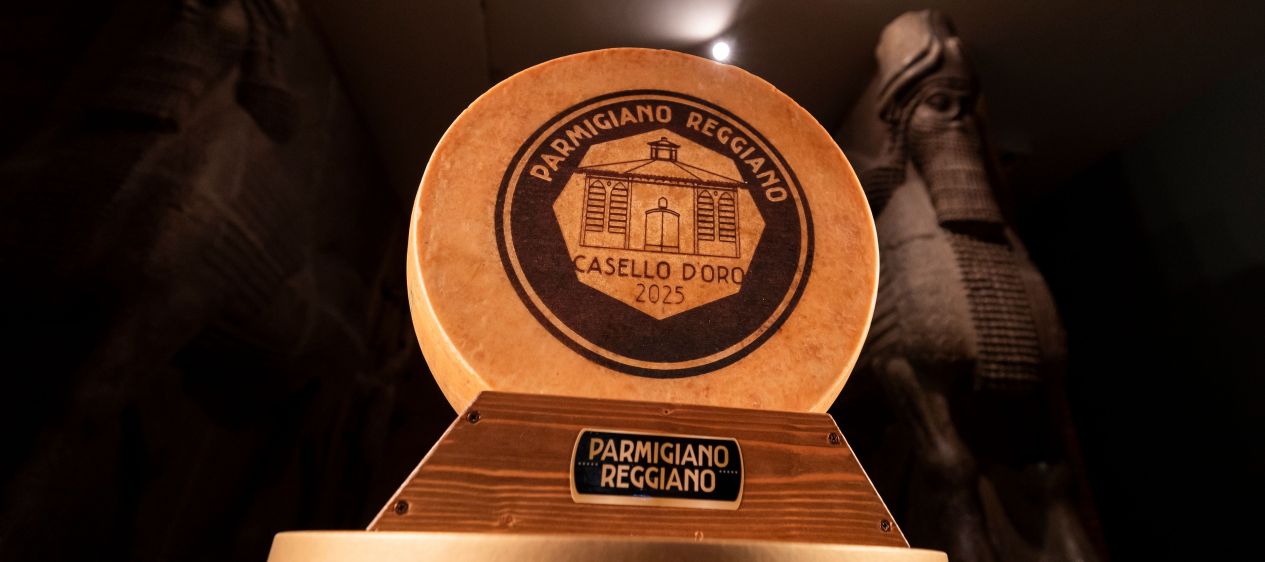
Parmigiano Reggiano is a product defined by precision, time, and place. From the eleven cheeses awarded the Casello d’Oro, nine wheels were entrusted to JRE–Jeunes Restaurateurs chefs, each invited to create a recipe that places this exceptional ingredient at the center of the plate. The result is a collection of dishes that reflect the individuality of each chef while highlighting the depth, structure, and versatility of Parmigiano Reggiano at its finest expression.
Nine chefs, nine recipes
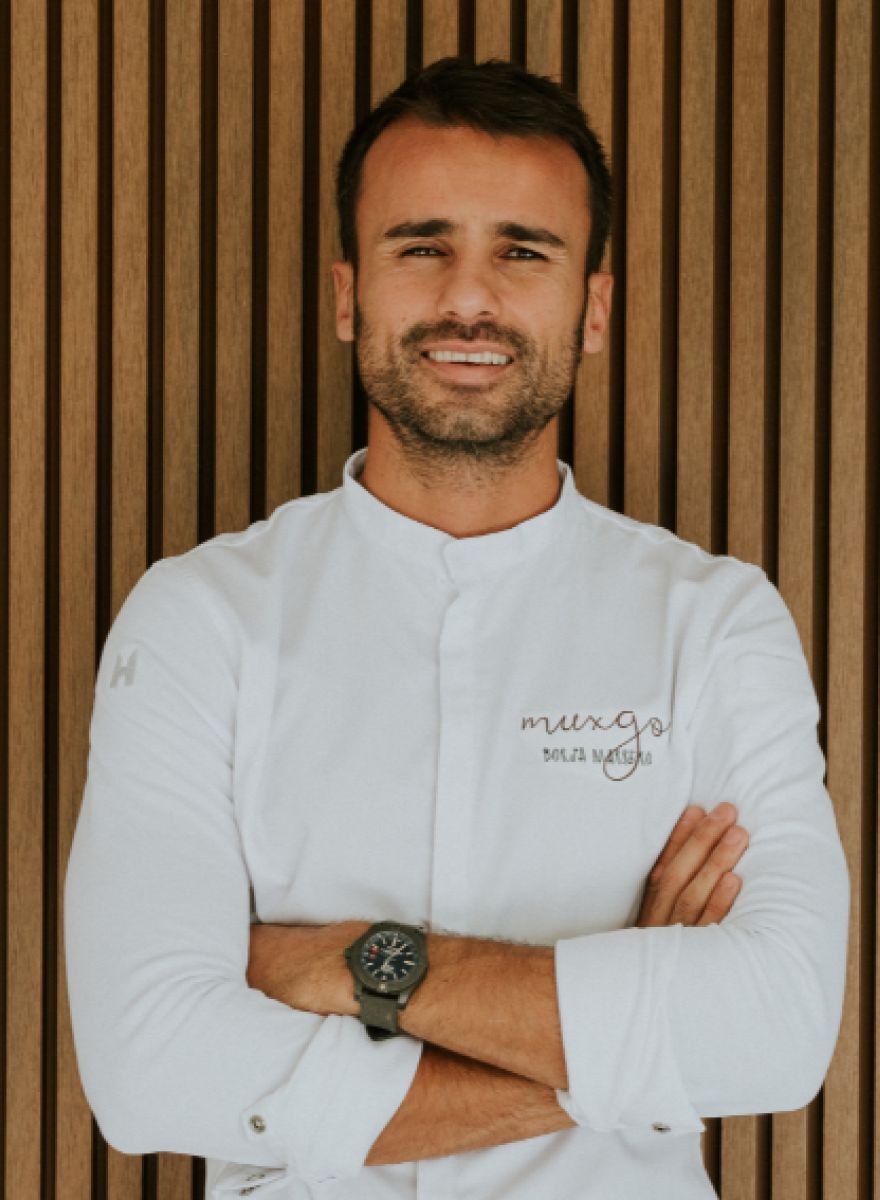
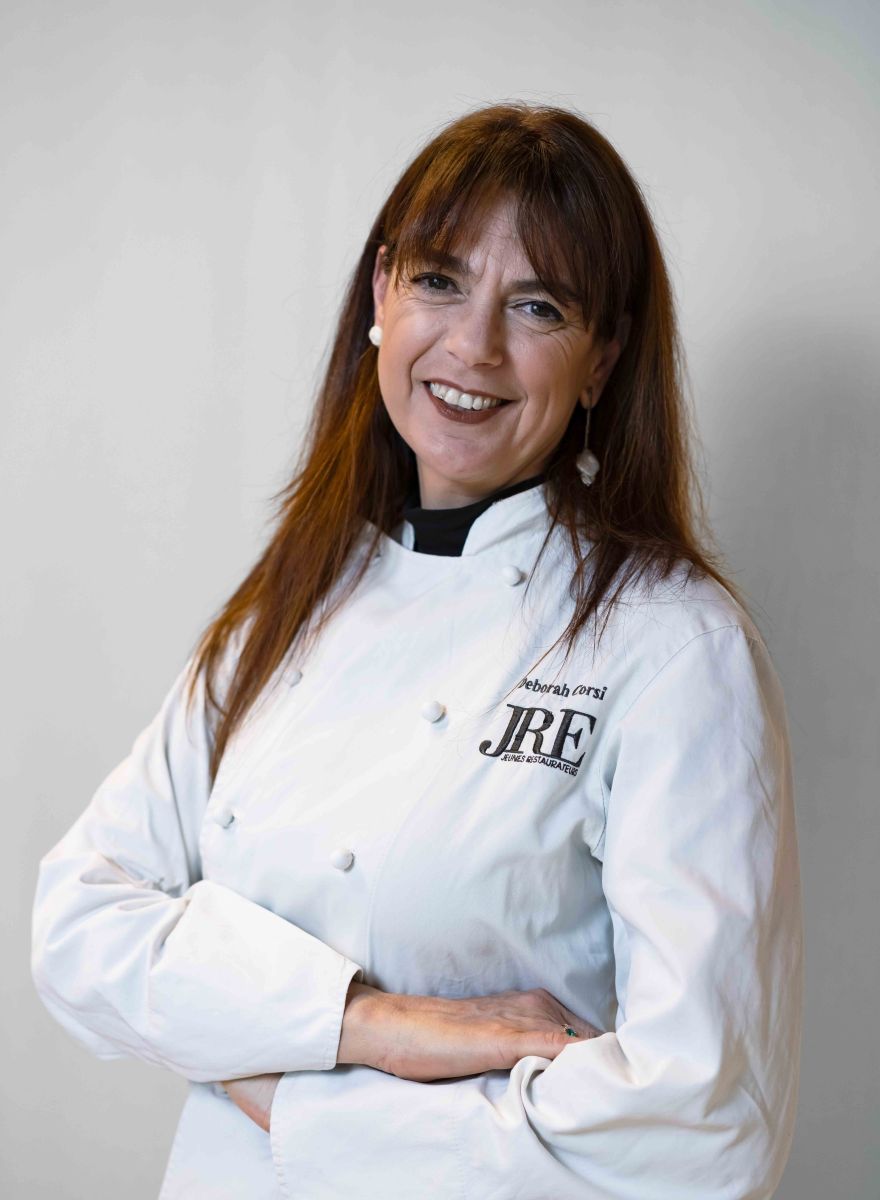
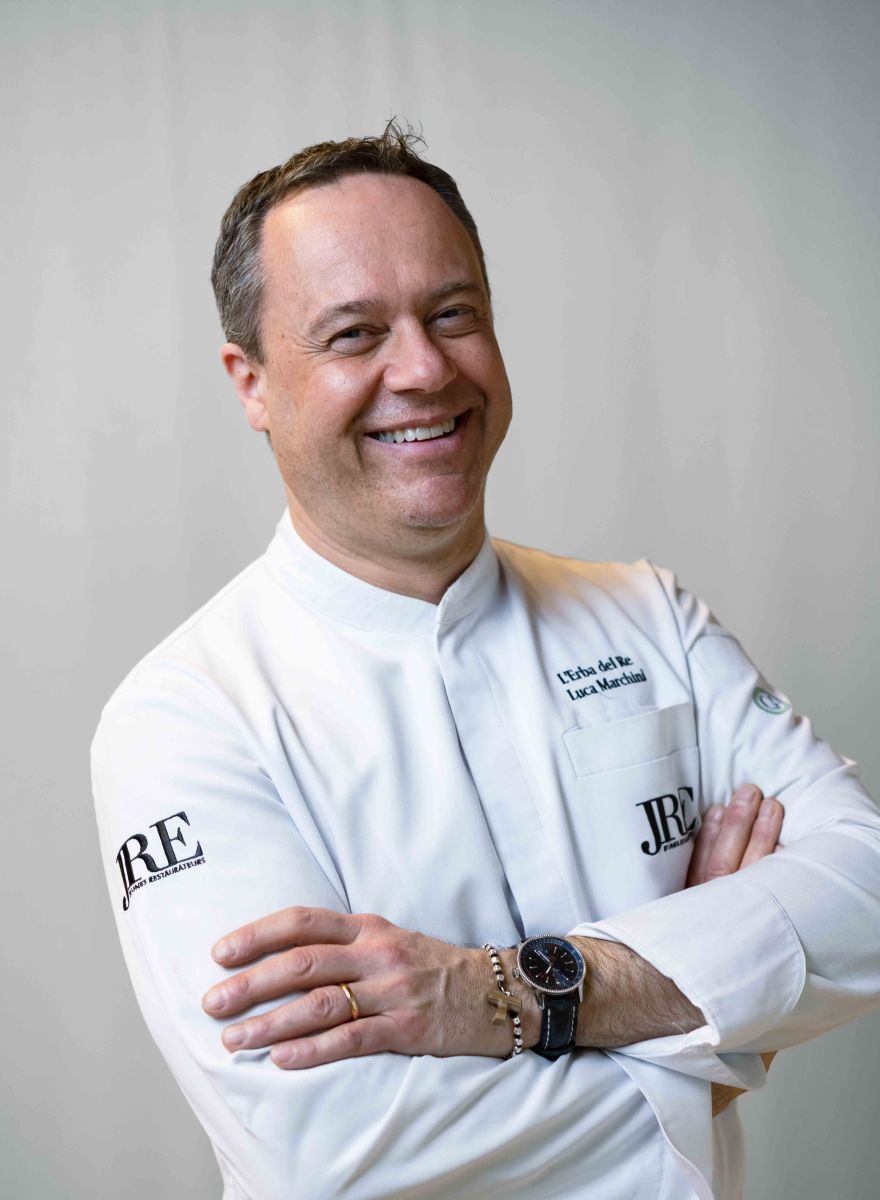
The chefs Manuel Franco (La Casa de Manolo Franco, Spain); Borja Marrero Vázquez (MuXgo, Spain); Seve Díaz (El Taller de Seve Díaz, Spain); Deborah Corsi (La Perla del Mare, Italy); Luca Marchini (Erba del Re, Italy); Massimiliano Mascia (San Domenico, Italy); Iris Bettinger (Reuter, Germany); Thomas Gruber (Seespitz, Austria) and Yann Tournier (La Pomme D’Or, France) — members of JRE–Jeunes Restaurateurs, the association that brings together some of the most influential talents in European fine dining — received a 20-kilo piece of award-winning Parmigiano Reggiano. With it, they were tasked with creating an original recipe that showcased the complexity of this cheese, made in the provinces of Parma, Reggio Emilia, Modena, Mantua, and Bologna.






A tribute to the master cheesemakers
Each creation pays homage to the dairies distinguished with the Casello d’Oro, which every year recognizes thirteen producers for their sensory excellence and fidelity to tradition. The award-winning cheeses, aged between 24 and 26 months, represent the stage of maturation at which Parmigiano Reggiano fully expresses its typical characteristics.
Considered the “king of cheeses,” Parmigiano Reggiano is a unique product, whose maturation can extend up to 100 months, revealing nuances ranging from fresh milky notes to spicy and mineral undertones. Its singularity lies not only in its flavor but also in its inseparable bond with its territory of origin, protected by one of Europe’s strictest PDOs.
The culinary Masterpieces Inspired by Parmigiano Reggiano
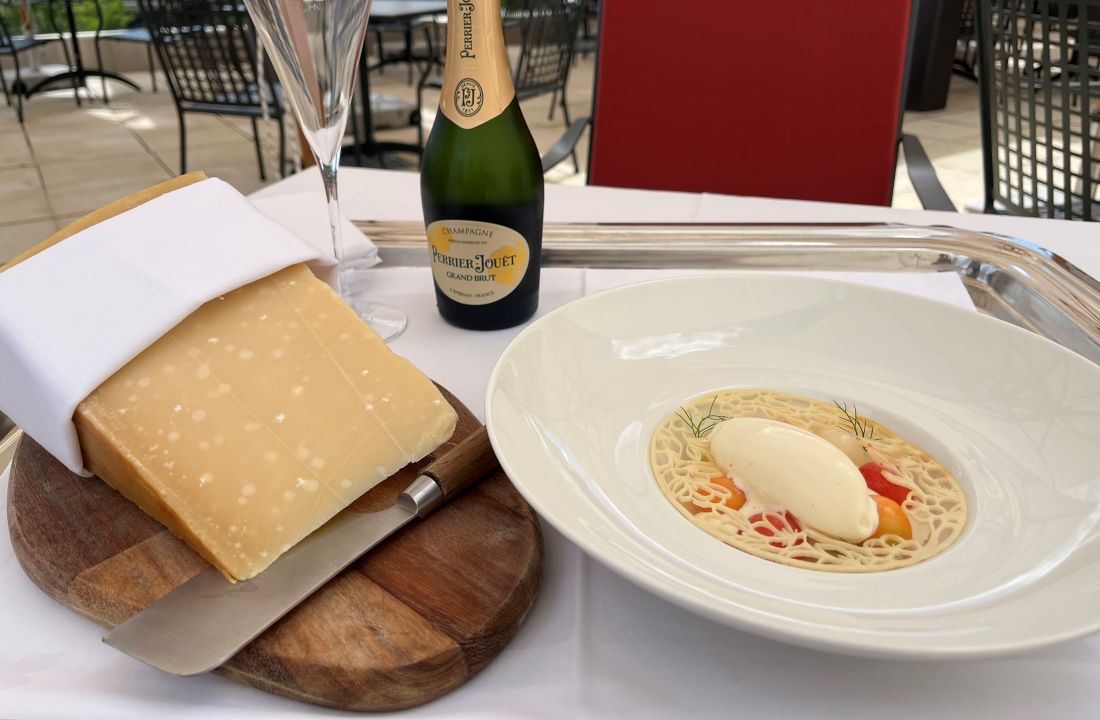
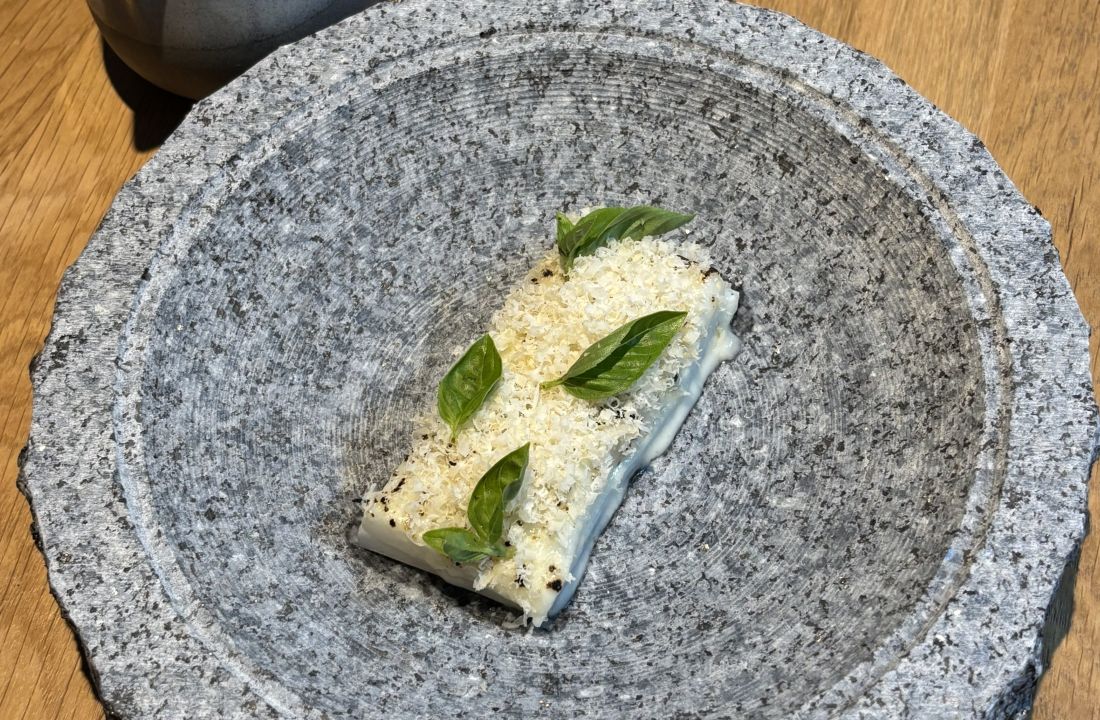
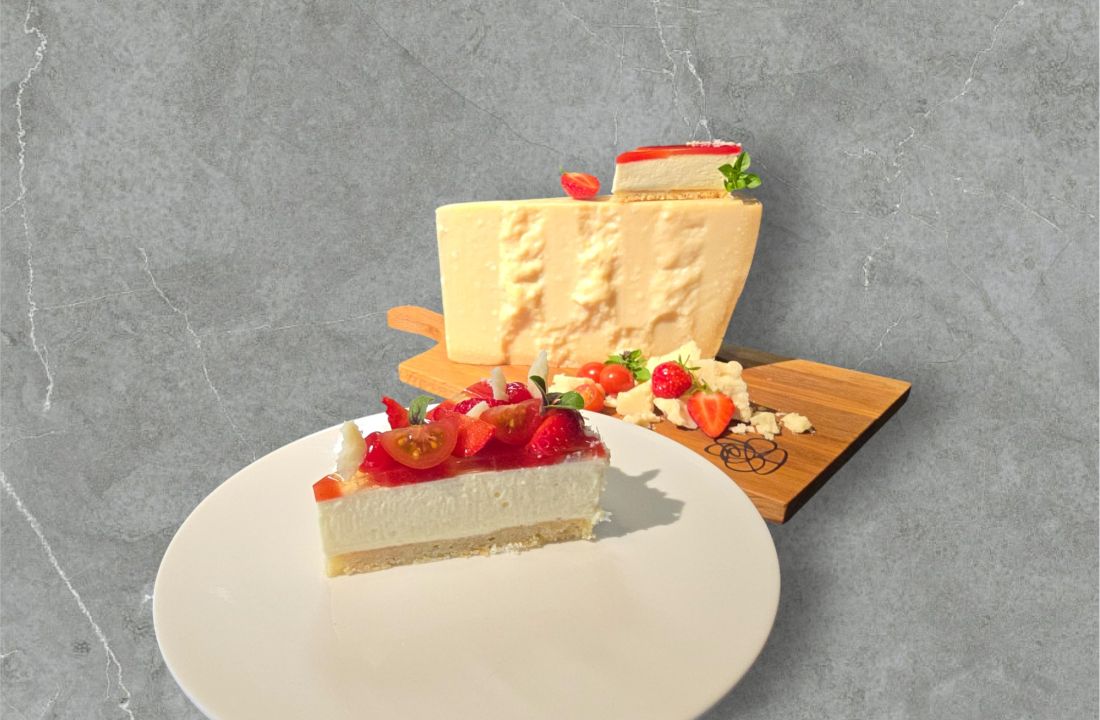
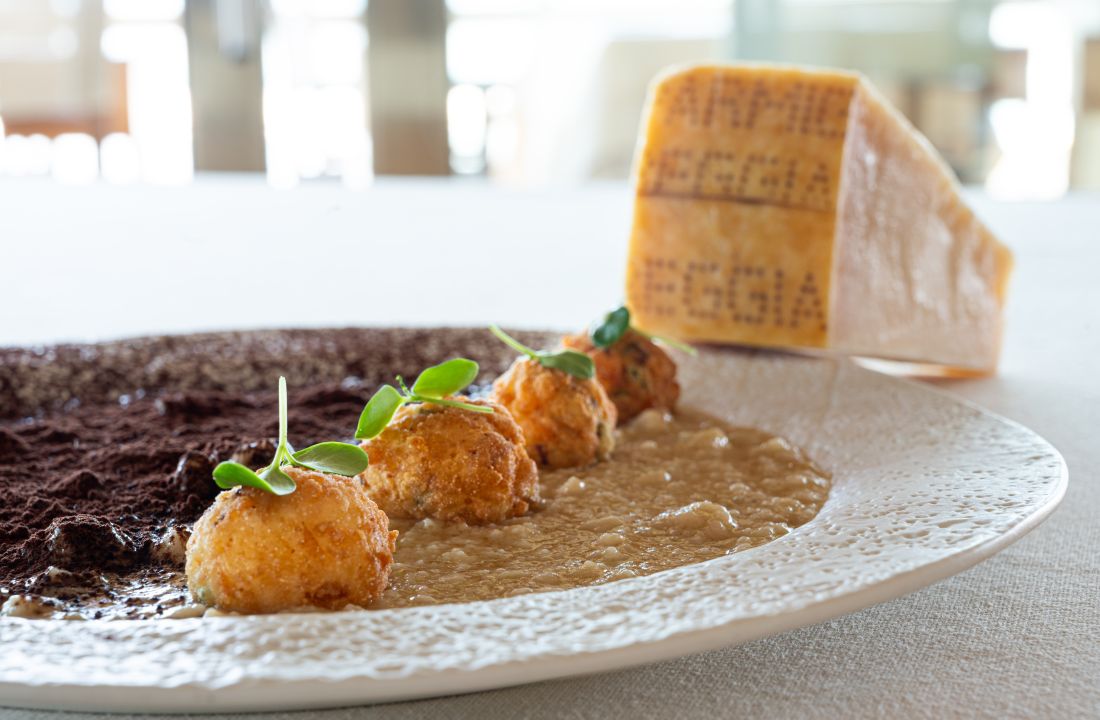
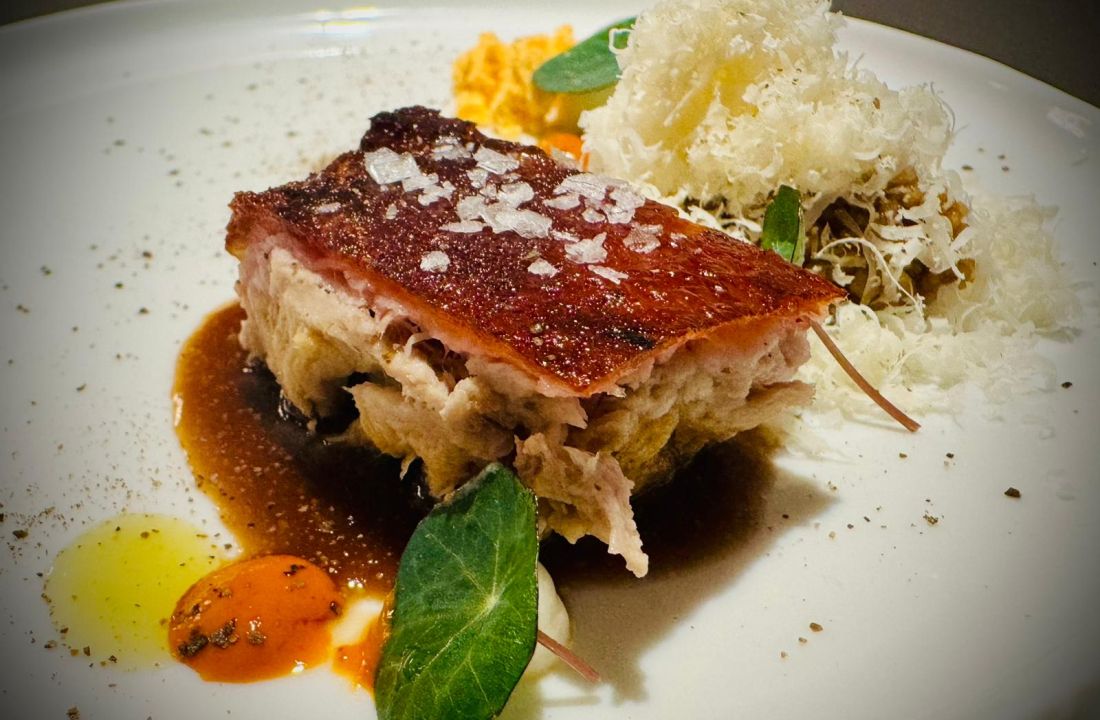
Chef: Thomas Gruber
Recipe: Parmigiano Reggiano ice cream with melon, white balsamic vinegar, and fennel
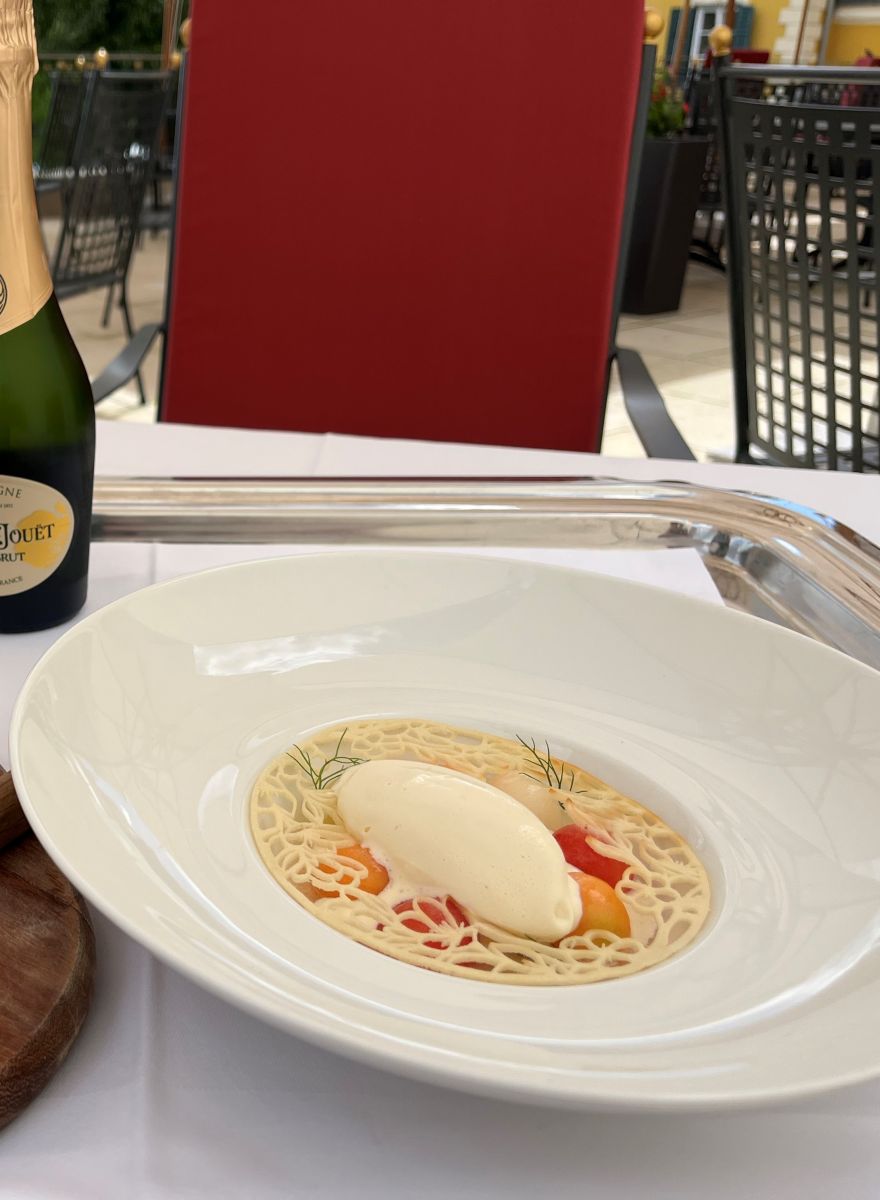

Chef: Yann Tournier
Recipe: Gratinated cuttlefish “de Antan” with Parmigiano Reggiano

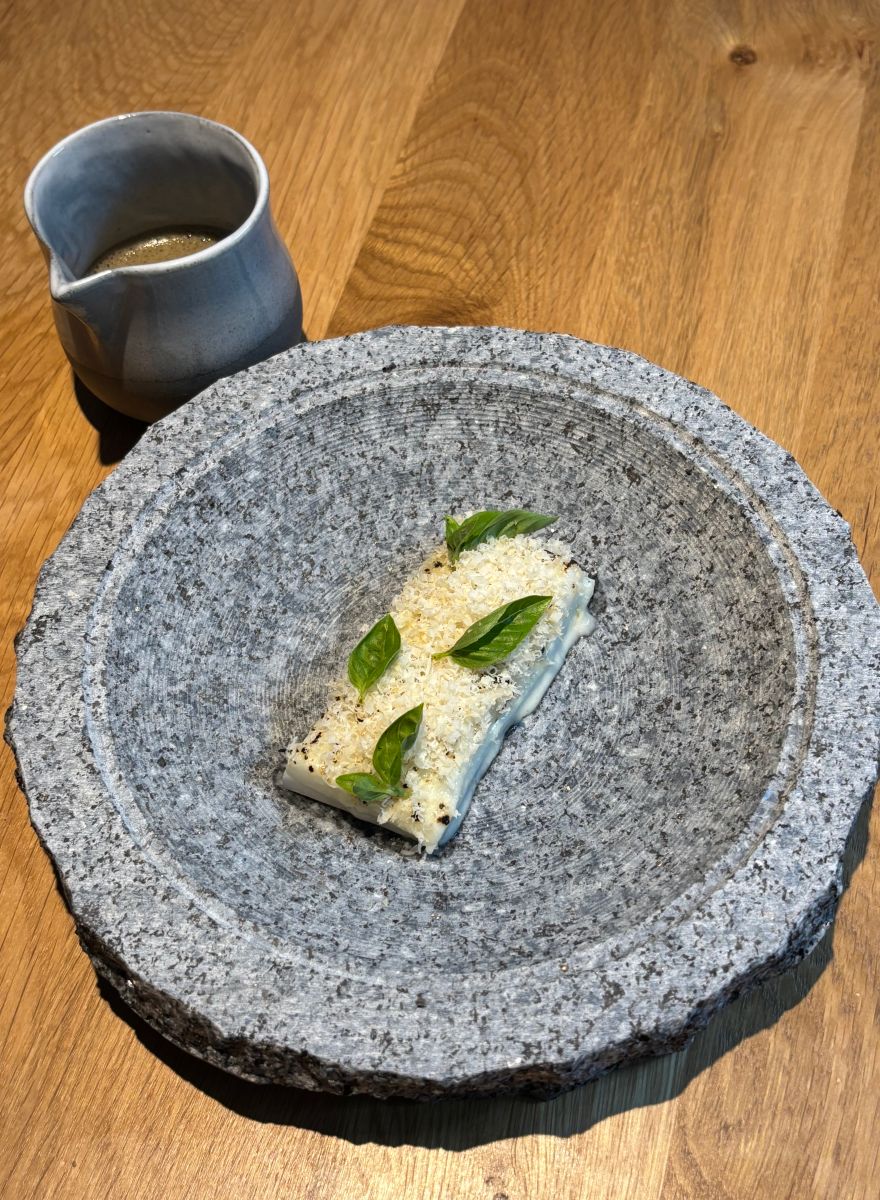
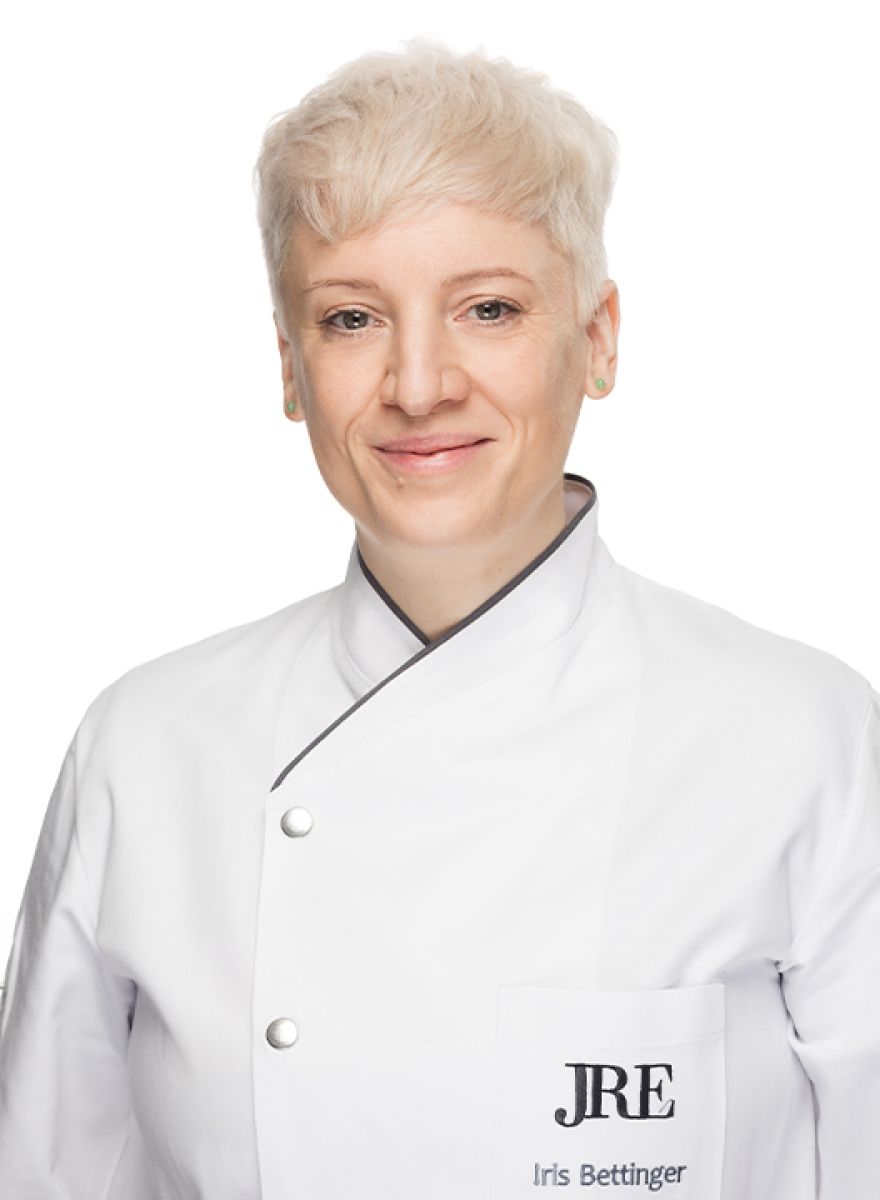
Chef: Iris Bettinger
Recipe: Cheesecake with strawberries and Parmigiano Reggiano
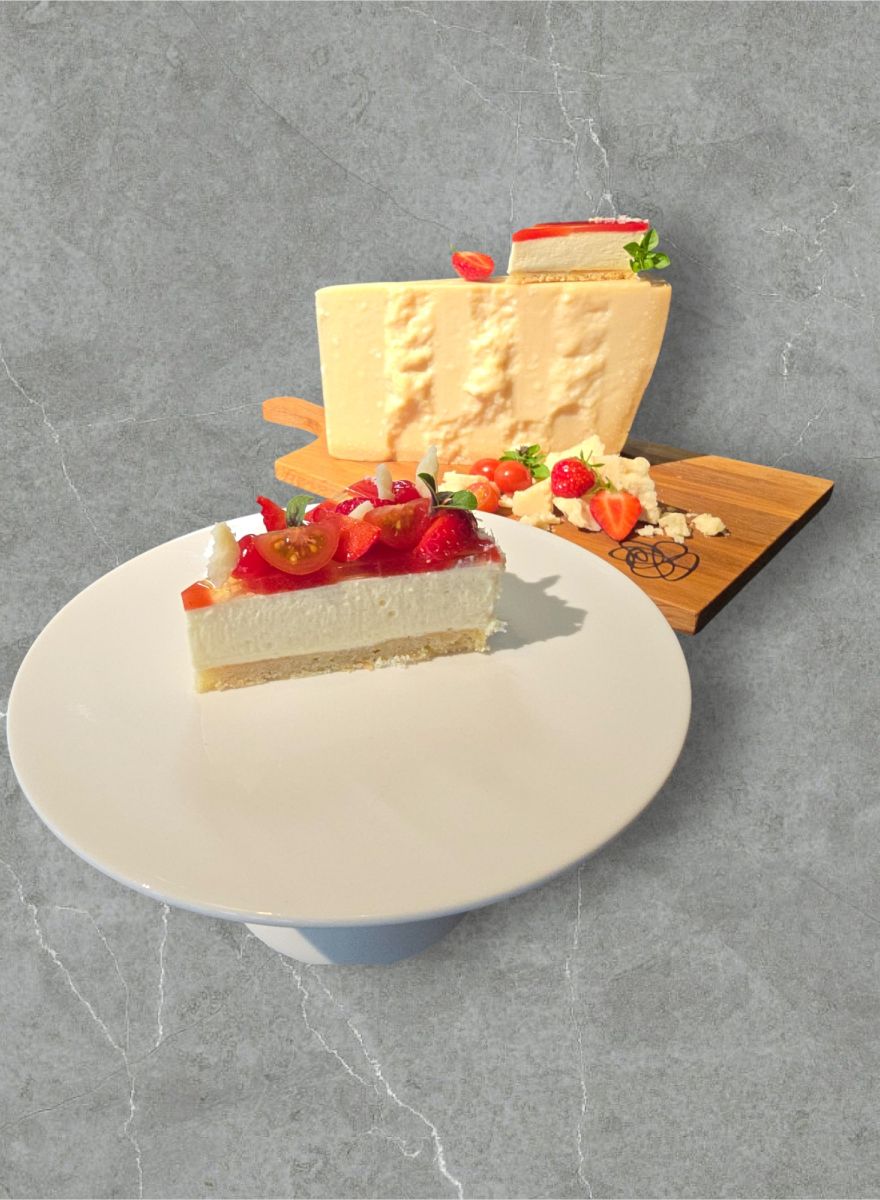
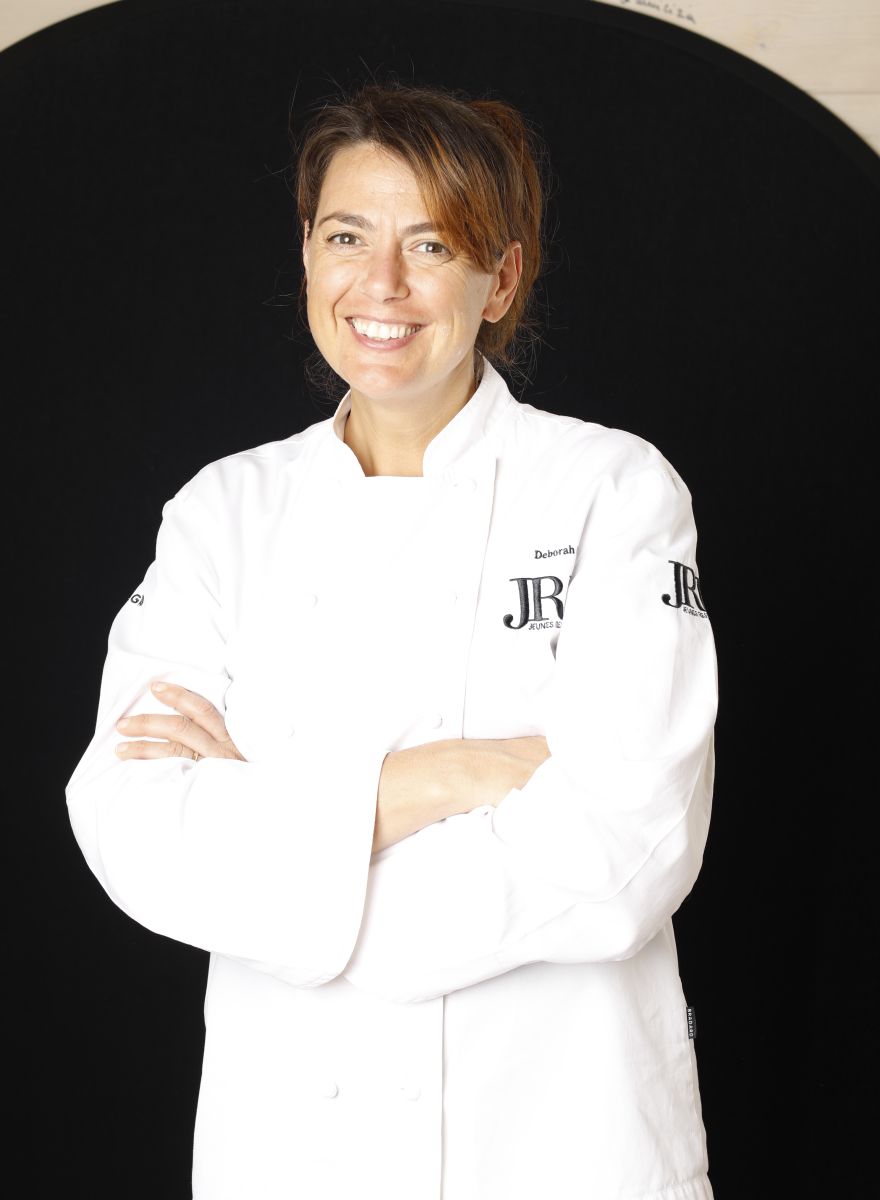
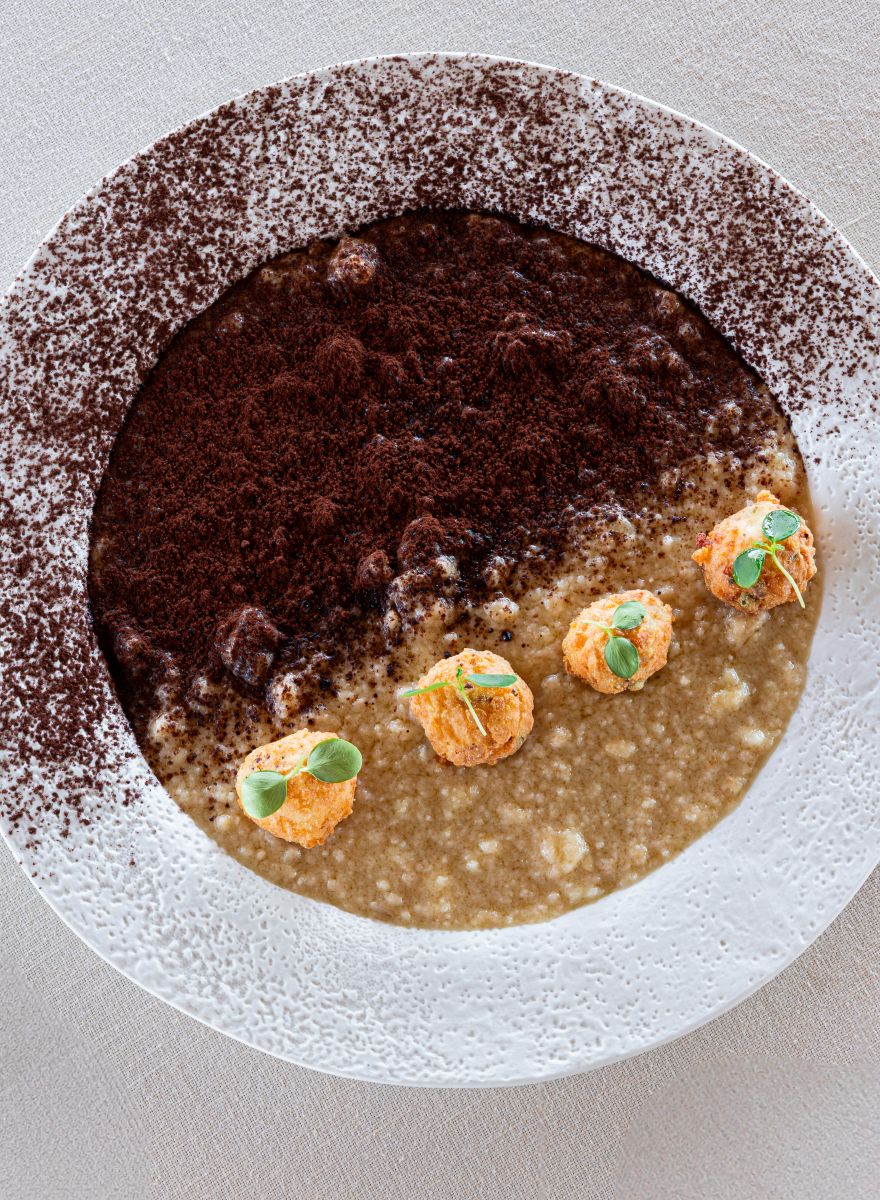
Chef: Deborah Corsi
Recipe: Baked bread with Parmigiano and cocoa, served with summer vegetable delicacies
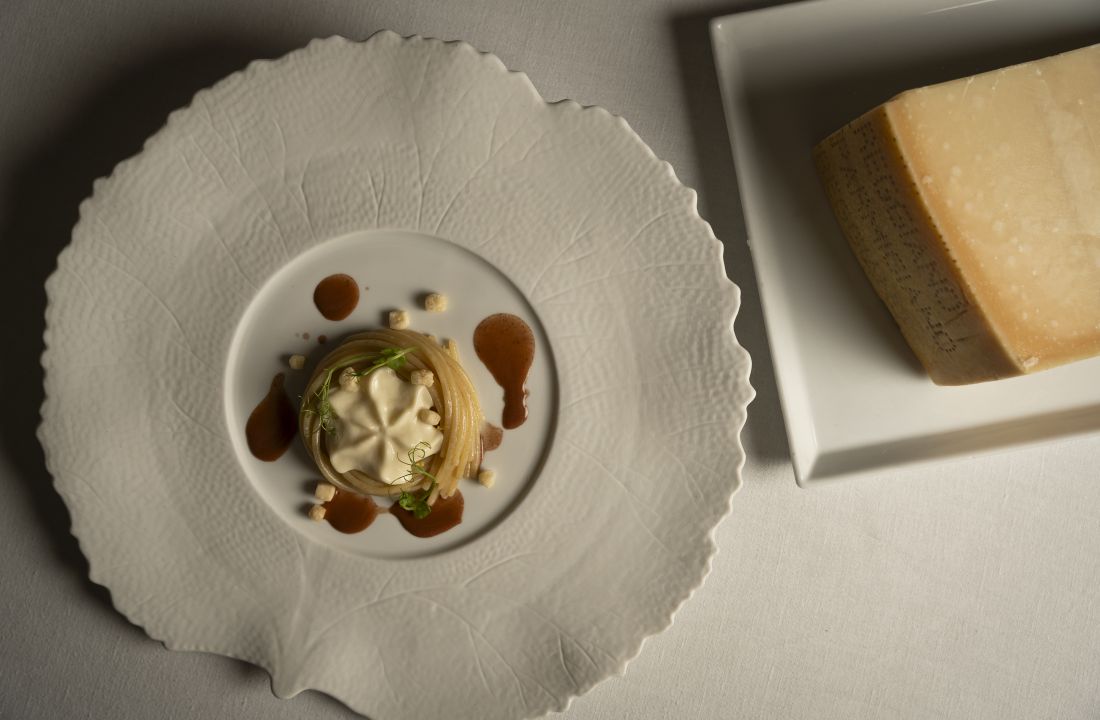
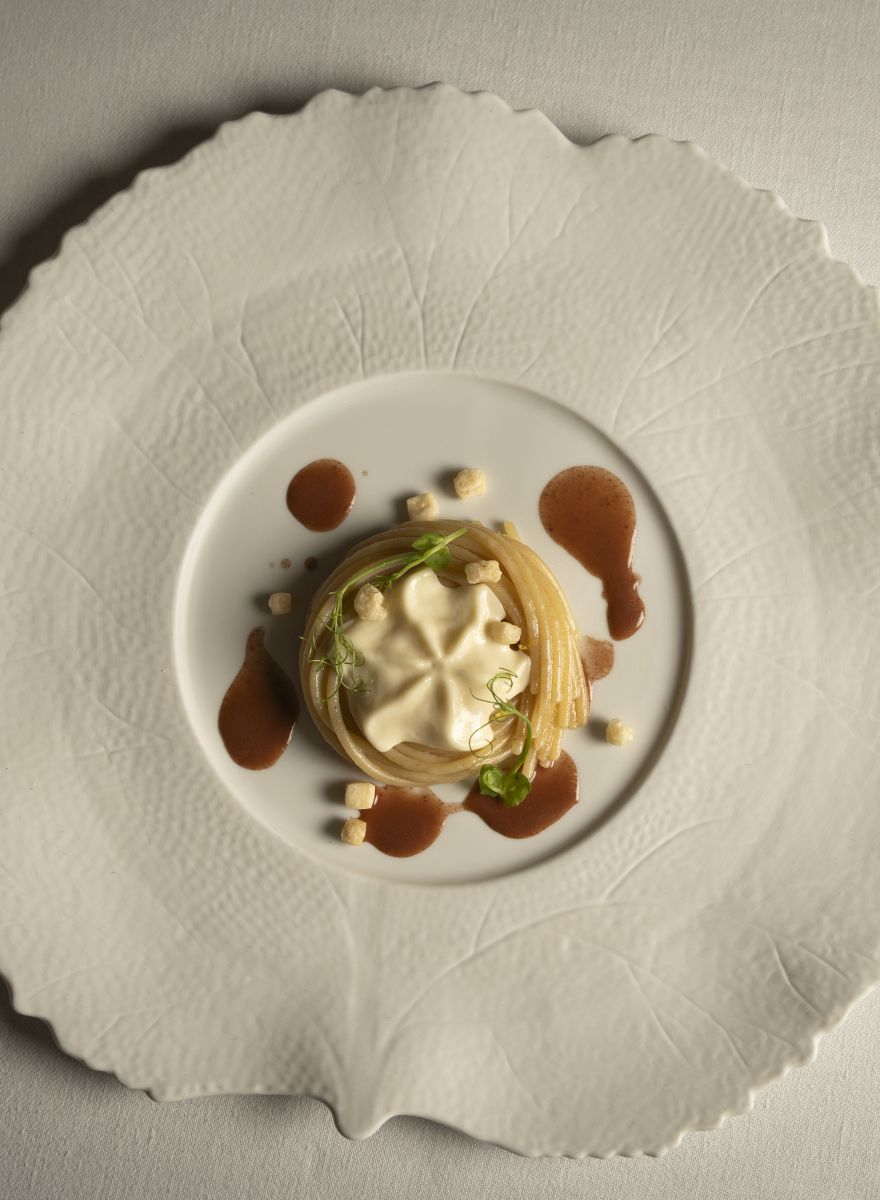
Chef: Luca Marchini
Recipe: Spaghetti with butter, lemon, Parmigiano Reggiano, and hazelnut jus
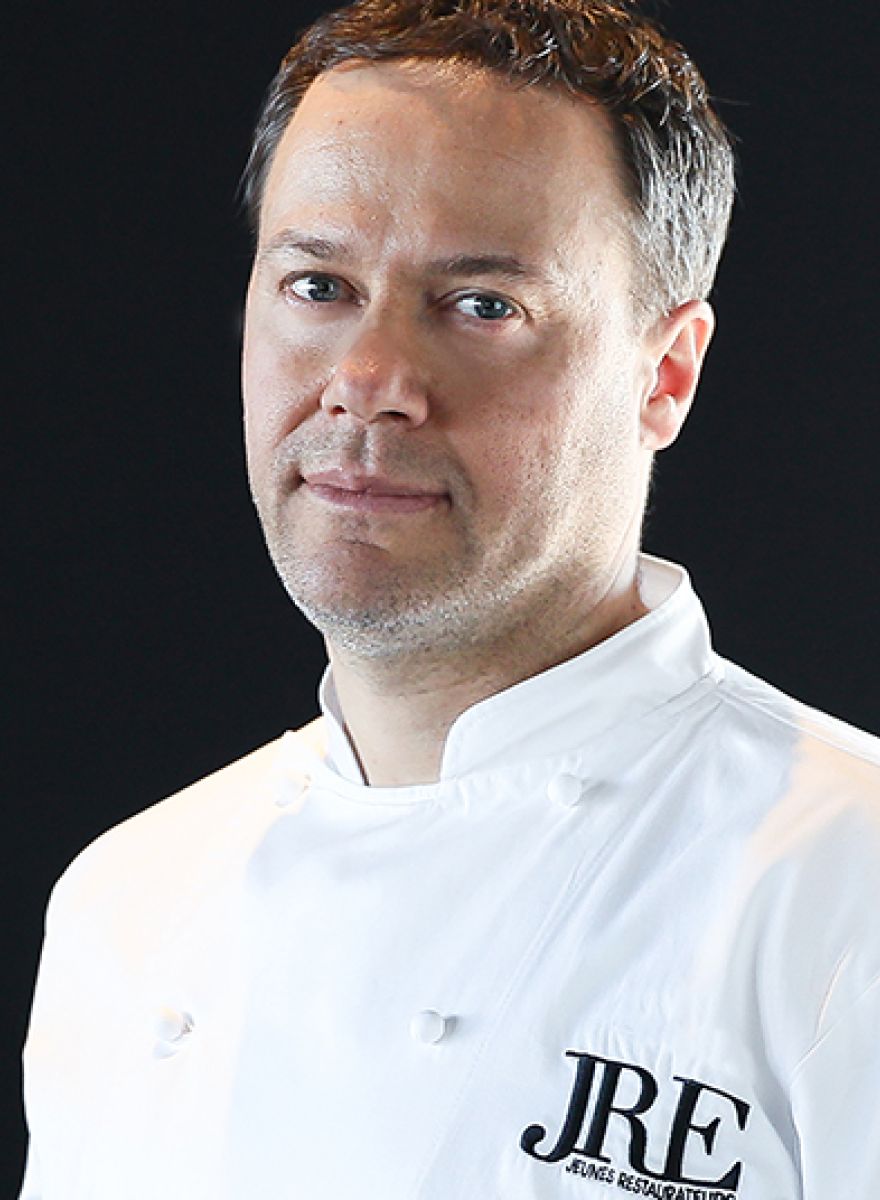
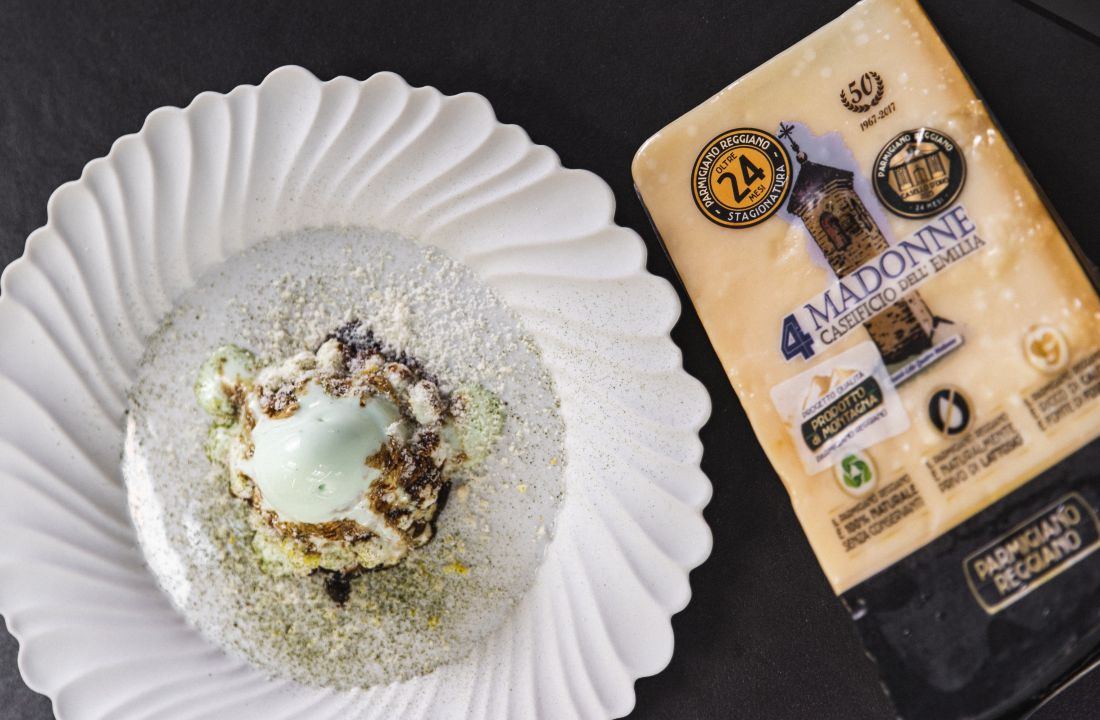
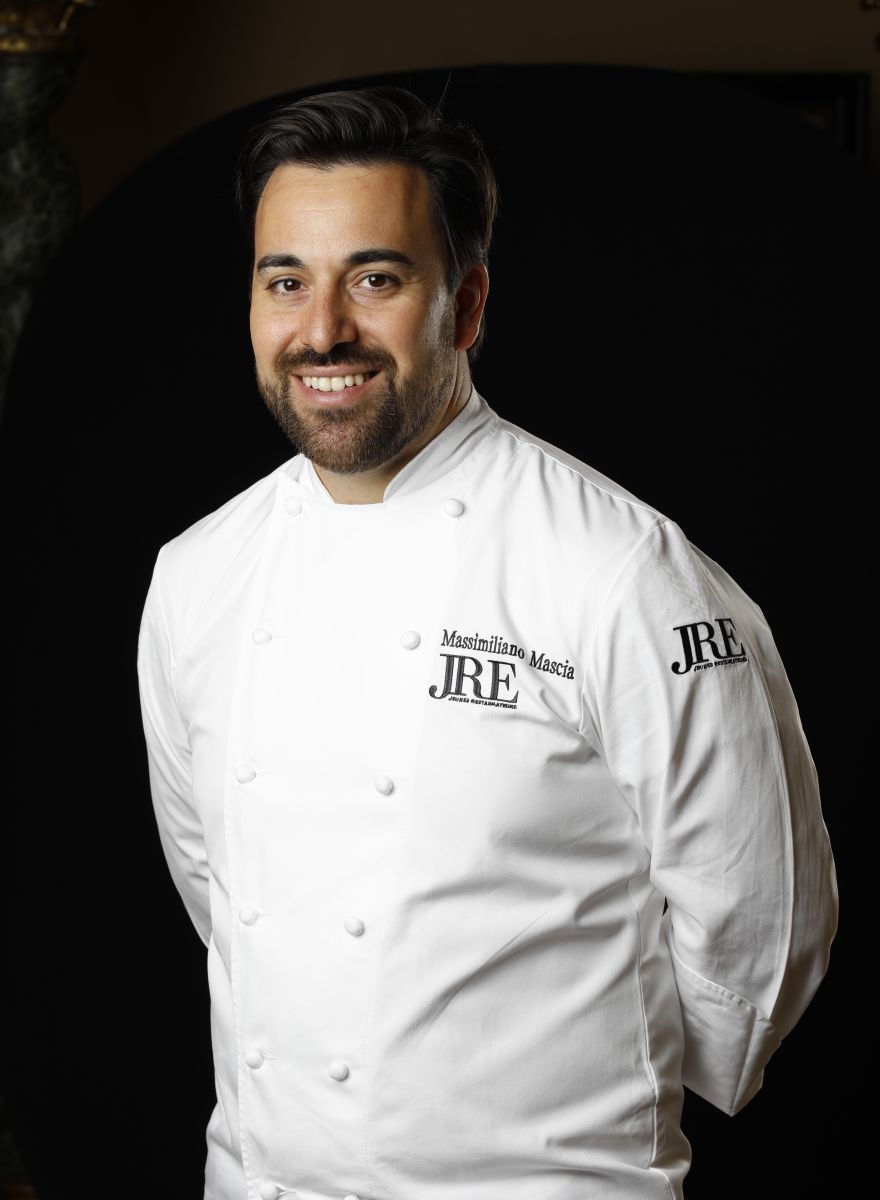
Chef: Massimiliano Mascia
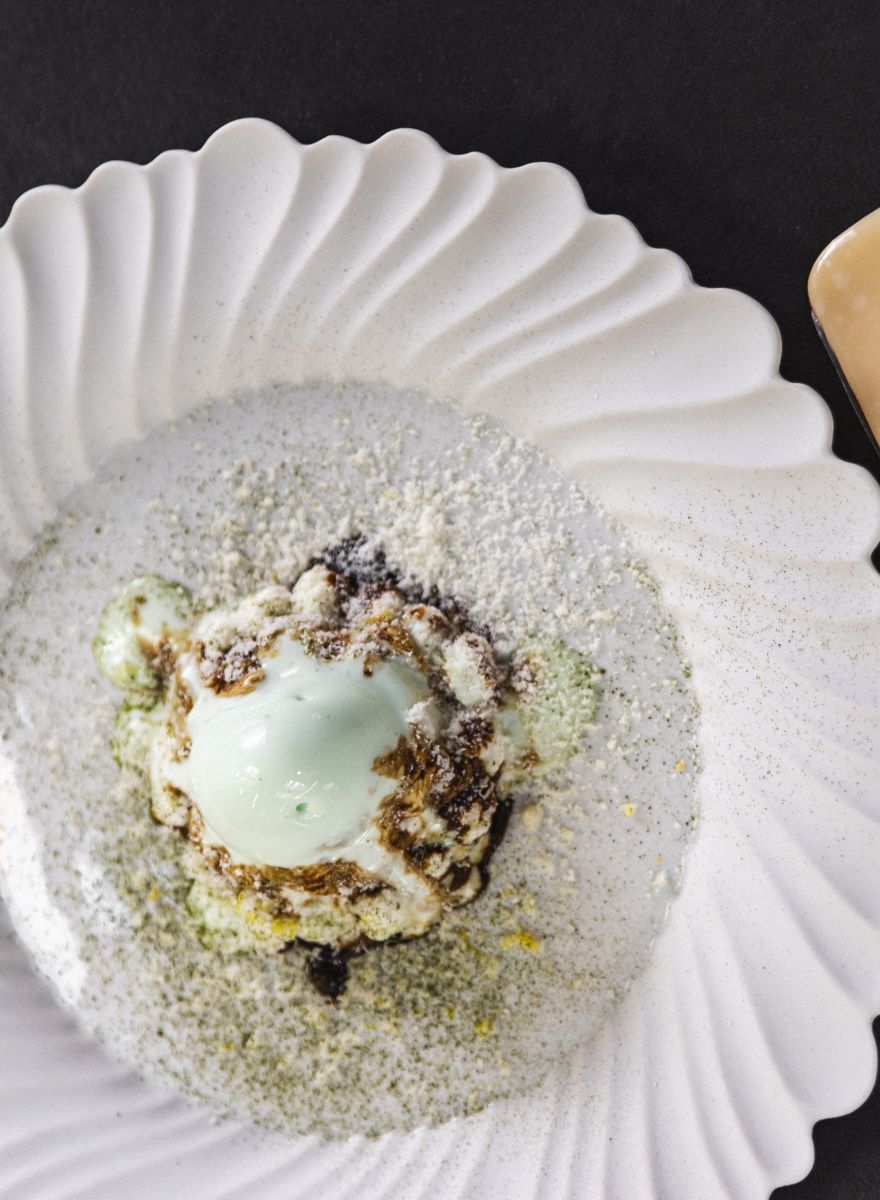
Recipe: Parmigiano Reggiano panna cotta with sage ice cream, creamy ricotta, lemon zest, and balsamic vinegar
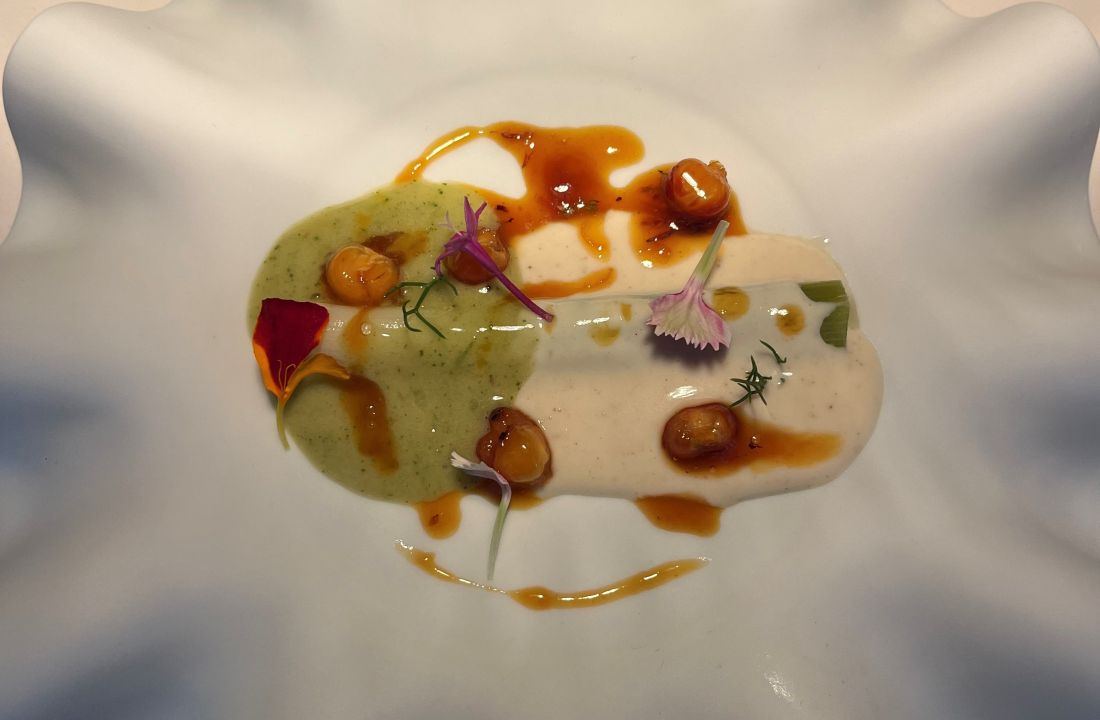
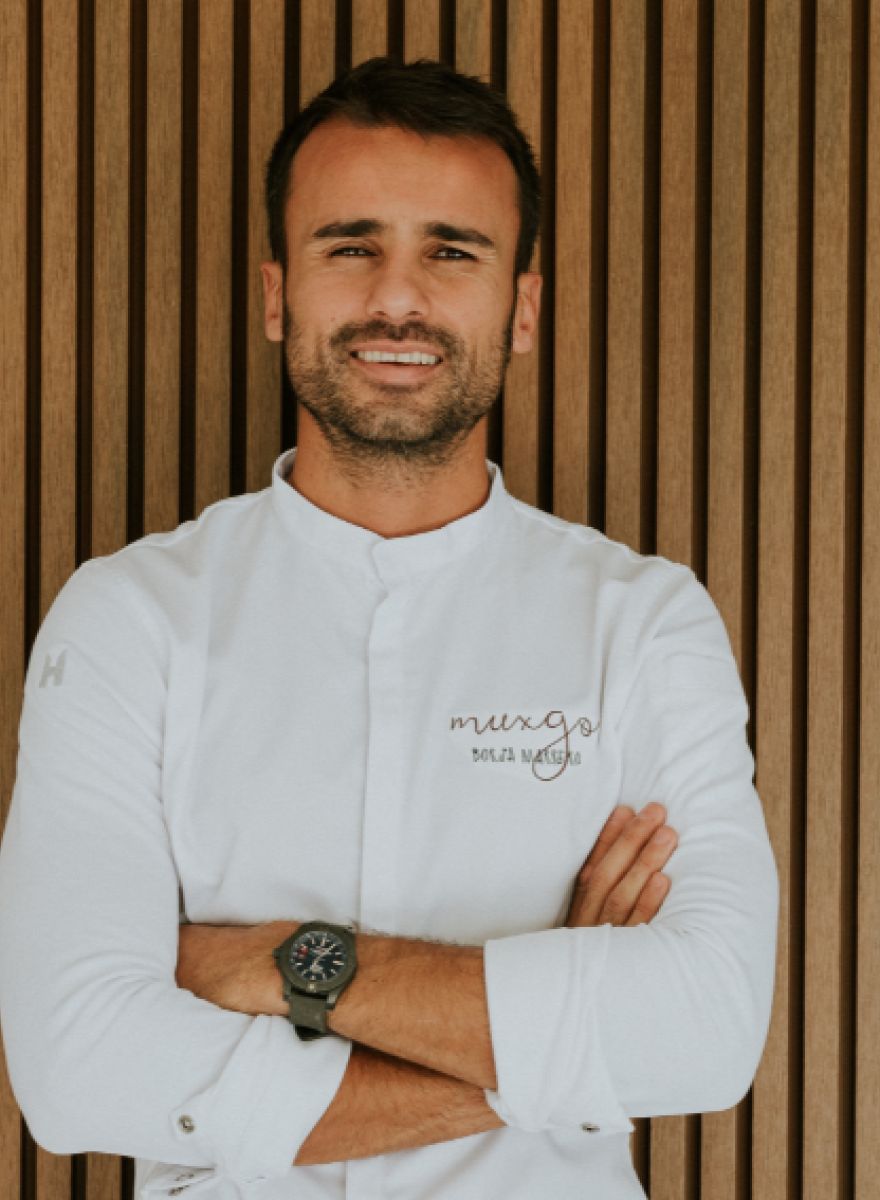
Chef: Borja Marrero Vázquez
Recipe: Confit leek with Parmigiano Latteria cheese sauce and sweetcorn

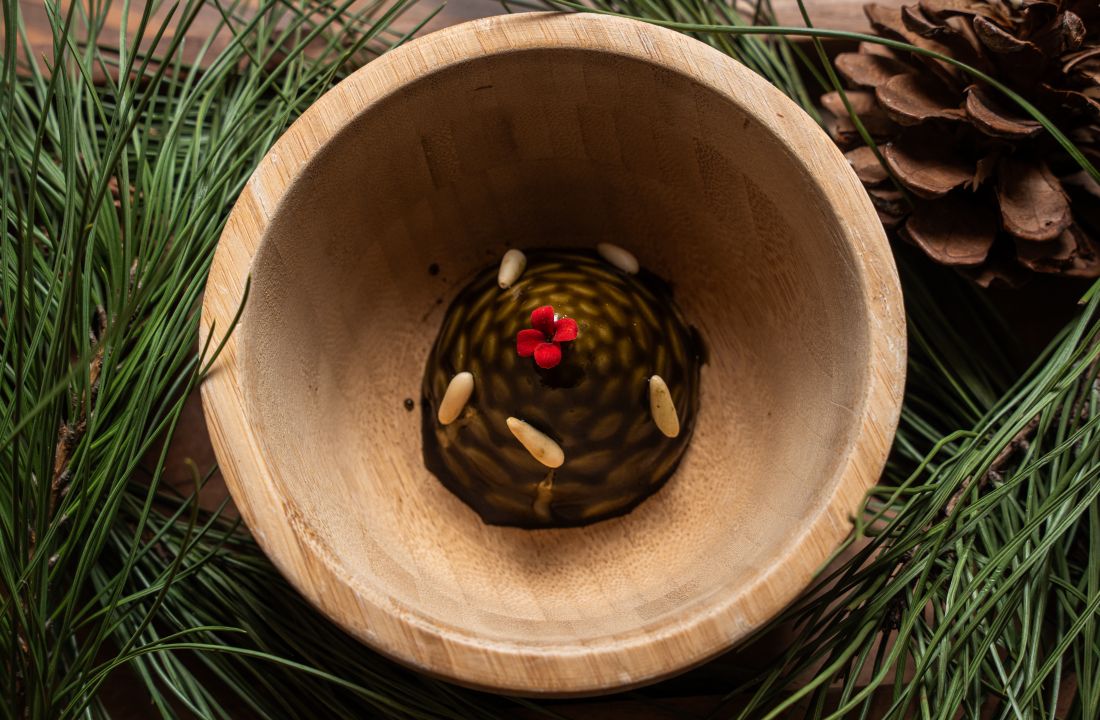
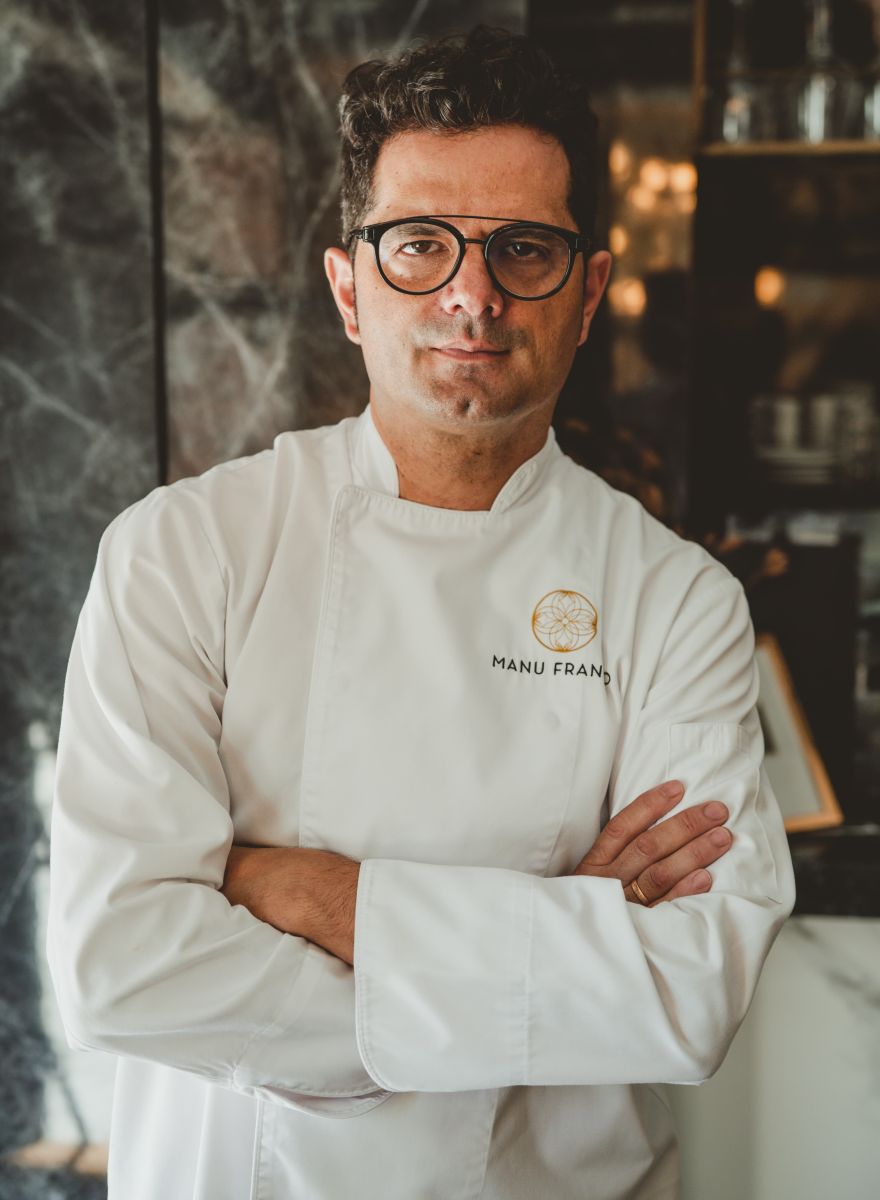
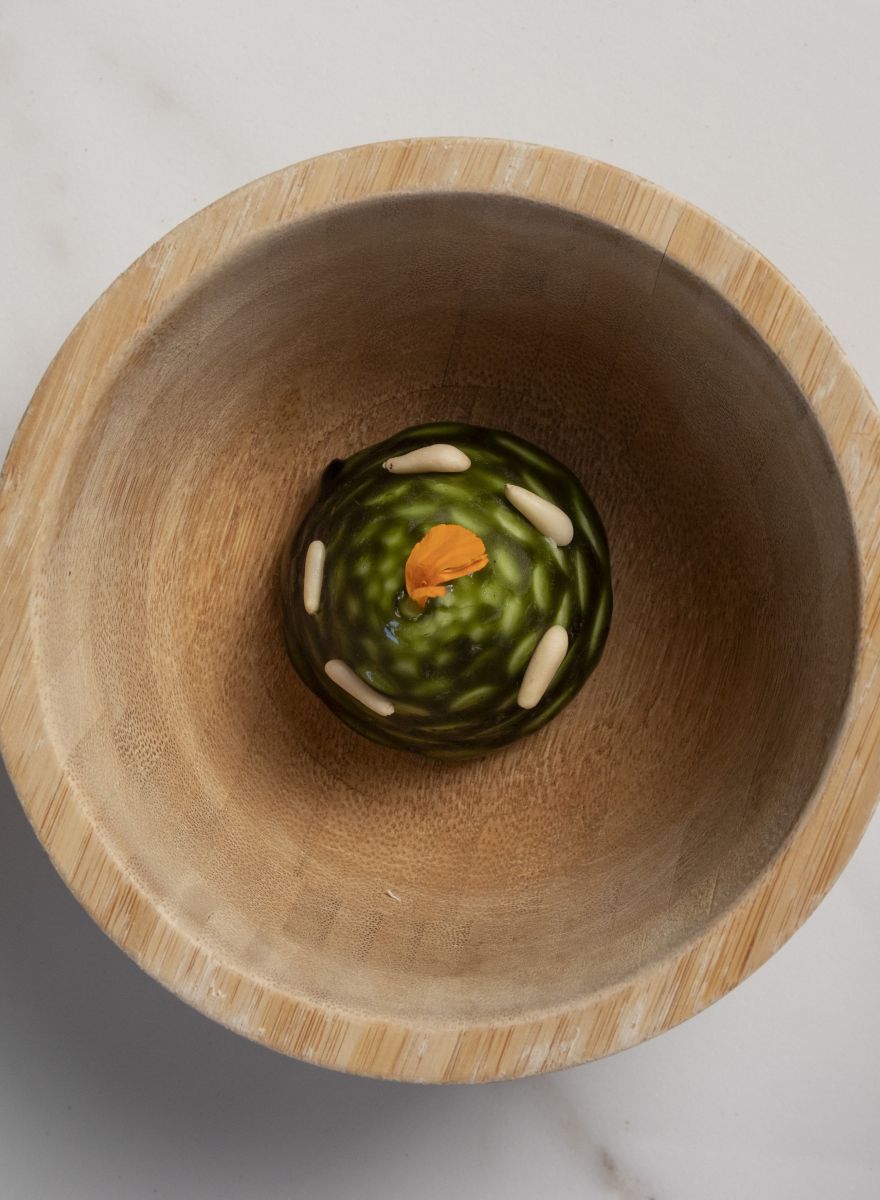
Chef: Manuel Franco
Recipe: Pine Forest of Valquemado
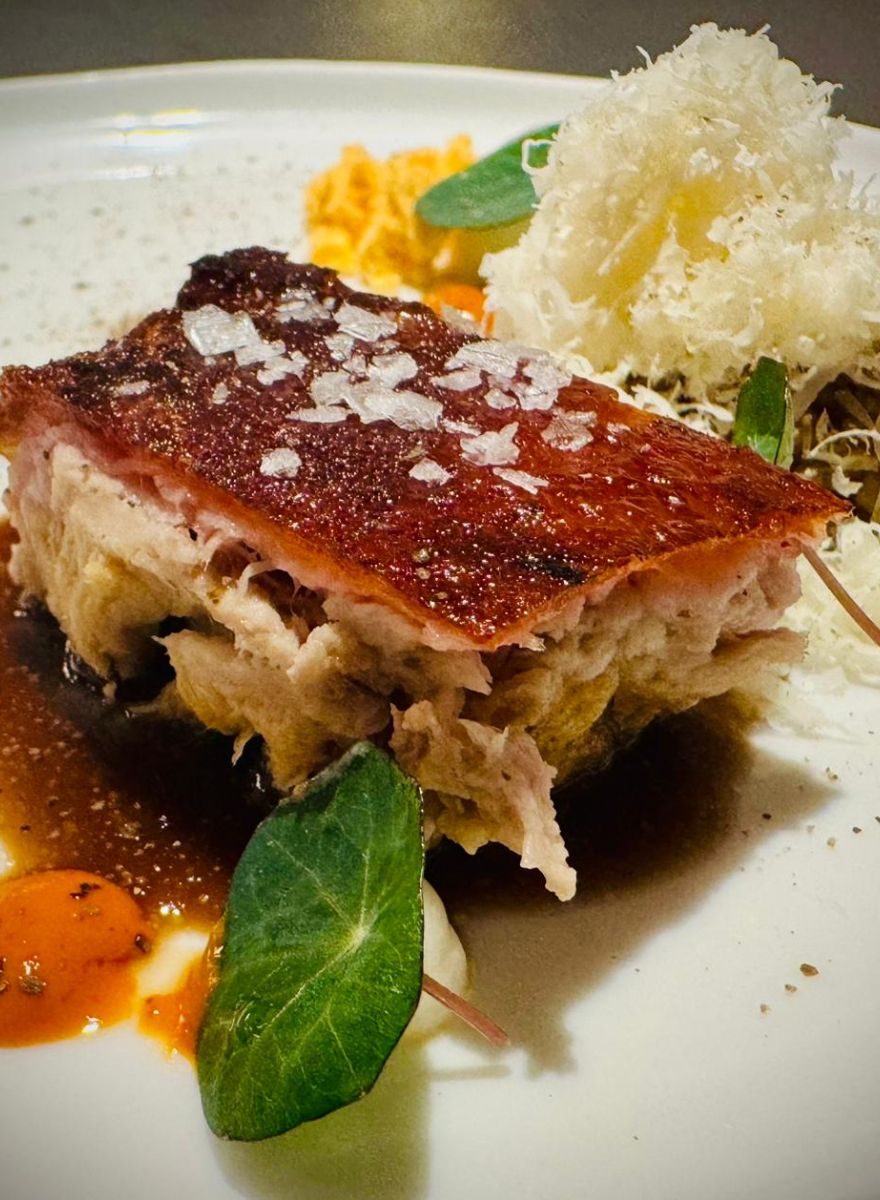
Chef: Seve Diaz
Recipe: Canarian suckling pig with Parmigiano Reggiano Rastelli textures, lentils, and red mojo sauce

About Parmigiano Reggiano
Parmigiano Reggiano is one of the world’s oldest and most valued cheeses. Considered the “king of cheeses,” its origins date back to the Middle Ages, when Benedictine and Cistercian monks sought to create a cheese with long shelf life.
Parmigiano Reggiano cannot be understood without linking it to the area where it is produced: Emilia Romagna and a small part of Lombardy, covering 10,000 km² across the provinces of Parma, Reggio Emilia, Modena, Mantua (right of the Po River), and Bologna (left of the Reno River). In this area, 2,165 farms supply the milk processed daily by 291 dairies, producing a cheese that must age for at least 12 months.
Parmigiano Reggiano is made with only three ingredients: raw milk, rennet, and salt. The use of additives, bacterial starters, fermented feeds, or silage — commonly used in other cheeses — is strictly prohibited.
Parmigiano Reggiano is a Protected Designation of Origin (PDO) cheese, meaning it is safeguarded by a European Union system that protects both consumers and producers due to its distinctive characteristics and its link to its place of origin.
The minimum aging period is 12 months (the longest minimum maturation of all PDO cheeses) and can extend to 36, 48, 100 months, or even longer, developing unexplored aromas and flavors.